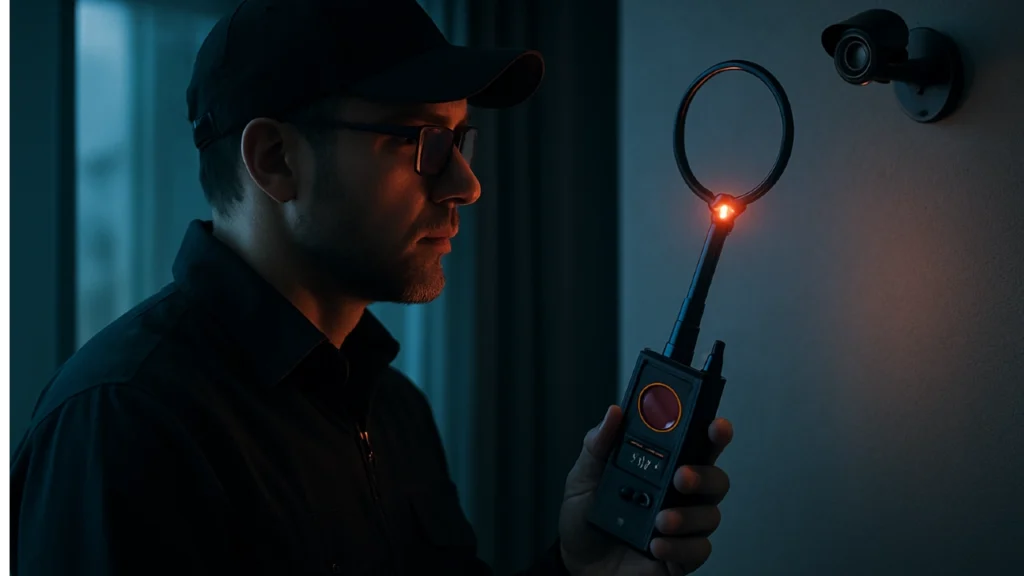
Quick Summary: In 2026, insurance fraud investigators focus on digital evidence, starting with metadata, file history, and logs before visiting sites. They verify photos and documents by examining original files, metadata, and file history to detect edits or fakes. Investigations now involve more digital forensics and authentication of AI-edited media, with escalation to on-site checks when needed. Human review remains essential despite advanced AI tools.
In 2026, fraud investigators often start with metadata, file history, and claim-system logs before they knock on a door. That shift matters because AI-edited photos, fake records, and altered claim files can look real enough to trigger payment, bad-faith risk, or weak proof later in court. This article maps the current workflow, from digital triage to authenticity checks and escalation. It reflects how claims, legal, and corporate security teams now handle modern fraud referrals.
The First 24 Hours: Referral, Triage, and What Gets Flagged
A claim usually reaches SIU from three places: an adjuster, an automated fraud score at FNOL, or an outside tip. In practice, the first pass is triage, not a full investigation. The goal is simple: sort routine claims from files that need fast review, documentation, or escalation. The NAIC’s 2021 Antifraud Plan Guideline describes how insurers and SIUs organize antifraud detection, investigation, and reporting. It is guidance rather than a nationwide rule and does not preempt state law NAIC antifraud guideline.
Before opening a full case, investigators look for clear, documentable flags:
- mismatched timelines
- missing or altered metadata
- reused images
- claims soon after policy start
- refusal to allow inspection
NICB lists early indicators like manipulated image metadata, internet-sourced photos, and losses that do not match police reports NICB property fraud indicators.
A flag is not proof. It is a reason to slow payment, verify facts, and decide if SIU should take over.
How Investigators Verify Photos, Documents, and Metadata
Investigators want the original file first. A screenshot strips or rewrites key data, so it hides where the item came from. Native files can keep EXIF, XMP, IPTC, edit history, and device details. That matters because metadata may show capture time, GPS, software used, or camera model, as explained in this NICB metadata training.
- Native file = better chain of custody
- Screenshot = weak proof and fewer clues
If a claimant only sends screenshots, expect investigators to ask for the untouched file next.
Digital forensic checks go past what the eye sees. Investigators compare timestamps, GPS tags, software fields, compression patterns, file hashes, and whether metadata conflicts with the story. They also treat provenance tools with care. A 2026 C2PA security analysis found limits in current provenance systems, so a badge or credential is not enough by itself.

- Look for missing metadata where it should exist
- Flag edits, resaves, or export history
- Check if dates, device, and location line up
For documents and invoices, investigators verify both content and file history:
- Match vendor name, phone, tax data, and line items
- Review PDF or Office metadata like author, producer, and revision trail
- Compare fonts, logos, totals, and formatting against known real samples
A polished invoice can still fail if the producer field shows consumer software instead of a real business system.
When the Case Leaves the Desk
Why investigators still go on-site
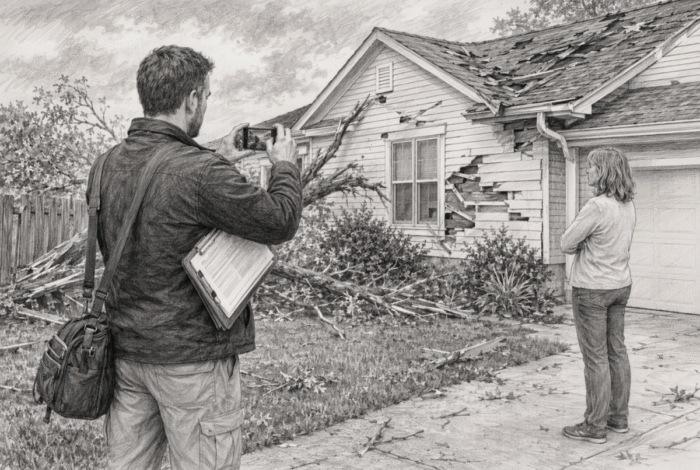
Desk review can flag edits, gaps, and timeline issues. It cannot show who really lives at the address, whether claimed damage matches the scene, or if daily activity fits the story. The NAIC antifraud guideline lists altered records, written or oral statement gaps, and claim patterns as fraud signs worth deeper review NAIC antifraud guideline.
How and when an EUO enters the process
An EUO usually enters after records, statements, or site facts still do not line up. It gives the insurer sworn testimony and a clean way to test details, documents, and prior claims. A legal guide calls the EUO a key tool to explore the loss and possible fraud EUO practical considerations.
Why 2026 Investigations Look Different Than Before
The new fraud problem investigators are adapting to
Investigators now face AI-edited photos, fake receipts, and synthetic claim files that look real at first glance. A March 17, 2026 NICB release summarizing Verisk’s State of Insurance Fraud study reports that 98% of insurers agree AI-powered editing tools are fueling an increase in digital insurance fraud NICB release on Verisk research.
Why documentation and audit trails matter
Strong documentation, metadata review, and chain of custody matter more now because altered files can be challenged from both sides. Insurance Times notes that stripped metadata and weak evidence handling can hurt verification and escalation decisions.
Need discreet fraud-case support in Michigan? Metro Detective Agency helps legal teams, insurers, and businesses verify digital evidence fast. Request a confidential consultation today.
Frequently Asked Questions
Q1: What are the typical procedures followed by insurance fraud investigators in the US in 2026?
They screen claims, secure digital records, test photos and video for edits, check metadata, interview witnesses, compare timelines, and escalate forensics or surveillance when facts clash.
Q2: How will insurance fraud investigations evolve with advanced technology in 2026?
Teams will use faster AI triage, but human review stays central. Investigators will spend more time validating synthetic media, location data, device links, and chain of custody.
Q3: What specific tools and digital forensic methods will insurance investigators in Michigan and Florida use in 2026?
Expect metadata review, source file checks, hash matching, open-source intelligence, cloud data preservation, phone extraction where lawful, and image authenticity testing. Firms like Metro Detective Agency also pair digital work with field surveillance.
Conclusion
In 2026, expect digital-first fraud reviews: original files, metadata checks, image authentication, and fast escalation. NICB’s summary of Verisk’s 2026 State of Insurance Fraud research notes the rise in AI-powered manipulation of claim images and documents, while ENFSI guidance supports structured, defensible authentication workflows.