Securing Your Space: Technical Sweeps for Enhanced Safety

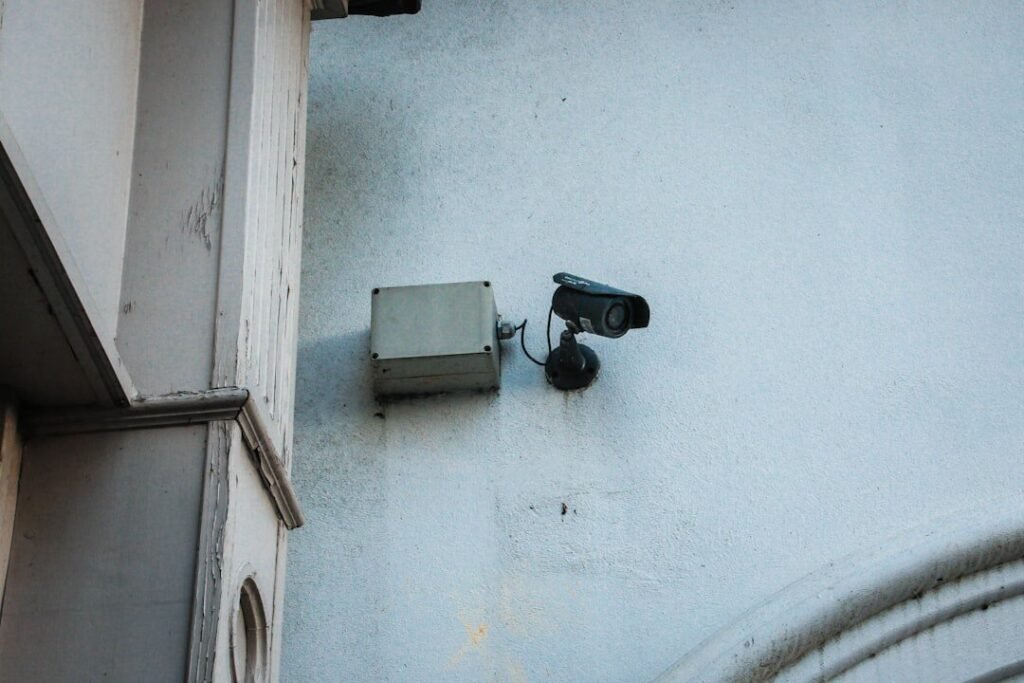
Technical sweeps are a critical component of modern security protocols, particularly for organizations that handle sensitive information or operate in high-stakes environments. These sweeps involve the systematic examination of physical spaces and electronic systems to detect unauthorized surveillance devices, eavesdropping equipment, or other forms of intrusion. The importance of technical sweeps cannot be overstated; they serve as a proactive measure to safeguard confidential communications and protect intellectual property from potential threats.

In an age where information is power, ensuring that sensitive discussions remain private is paramount for maintaining a competitive edge and upholding trust with clients and stakeholders. Moreover, the implications of neglecting technical sweeps can be severe. Organizations that fail to conduct regular sweeps may find themselves vulnerable to corporate espionage, data breaches, or even reputational damage.

For instance, a high-profile case involving a major corporation revealed that competitors had been using covert listening devices to gain insights into strategic planning sessions. This incident not only resulted in financial losses but also eroded stakeholder confidence. Therefore, understanding the importance of technical sweeps is essential for any organization aiming to fortify its security posture and mitigate risks associated with unauthorized surveillance.

Key Takeaways

  • Technical sweeps are essential for detecting and preventing security threats in sensitive environments.
  • Selecting appropriate equipment and advanced technology enhances the accuracy of technical sweeps.
  • Regularly scheduled sweeps and comprehensive assessments help maintain ongoing security.
  • Training staff and collaborating with security professionals improve the effectiveness of sweep procedures.
  • Establishing clear protocols and addressing privacy concerns are critical for responsible security management.

Identifying Potential Security Threats

Identifying potential security threats is a multifaceted process that requires a keen understanding of both the physical and digital landscapes in which an organization operates. Threats can manifest in various forms, including physical intrusions, cyberattacks, and insider threats. For instance, an organization may face risks from disgruntled employees who have access to sensitive information or from external actors attempting to exploit vulnerabilities in the system.

Conducting a thorough risk assessment is crucial in pinpointing these threats, as it allows organizations to prioritize their security measures based on the likelihood and potential impact of each threat. In addition to human factors, technological advancements have introduced new avenues for security breaches.

The proliferation of Internet of Things (IoT) devices, for example, has expanded the attack surface for cybercriminals.

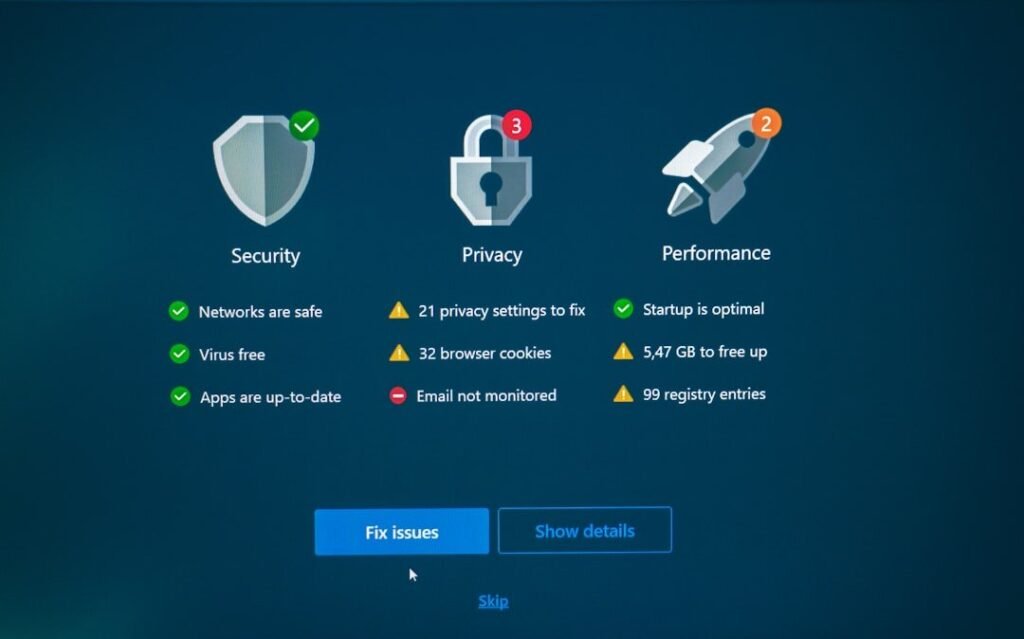
These devices often lack robust security features, making them attractive targets for hackers seeking to infiltrate networks. Organizations must remain vigilant in identifying these potential vulnerabilities and adapting their security strategies accordingly. By staying informed about emerging threats and trends in the security landscape, organizations can better prepare themselves to counteract potential risks before they escalate into significant issues.

Choosing the Right Equipment for Technical Sweeps

Professional private investigators in an office: tech experts sweep for threats, checking devices and computers to ensure top security.

Selecting the appropriate equipment for conducting technical sweeps is a critical step in ensuring the effectiveness of these security measures. The market offers a wide array of tools designed to detect various types of surveillance devices, ranging from RF (radio frequency) detectors to thermal imaging cameras. Each type of equipment serves a specific purpose and is suited for different environments.

For example, RF detectors are particularly effective in identifying wireless eavesdropping devices, while thermal imaging cameras can help locate hidden cameras or other electronic devices that emit heat. When choosing equipment, organizations must consider factors such as the size of the area being swept, the types of threats they are most concerned about, and their budget constraints. It is also essential to invest in high-quality equipment that provides accurate readings and minimizes false positives.

In some cases, organizations may benefit from consulting with security professionals who can recommend the best tools based on their unique needs and circumstances. By equipping themselves with the right technology, organizations can enhance their ability to detect and neutralize potential security threats effectively.

Conducting a Comprehensive Security Assessment

Metric Description Typical Value/Range Importance
Number of Vulnerabilities Identified Total count of security weaknesses found during the assessment 10 – 200 High
Severity Levels of Vulnerabilities Classification of vulnerabilities by risk (Critical, High, Medium, Low) Varies by environment High
Time to Complete Assessment Duration taken to perform the full security assessment 1 – 4 weeks Medium
Coverage Percentage Percentage of systems, applications, and networks assessed 80% – 100% High
False Positive Rate Percentage of identified issues that are not actual vulnerabilities 5% – 20% Medium
Remediation Rate Percentage of identified vulnerabilities that are fixed post-assessment 60% – 95% High
Compliance Coverage Extent to which assessment aligns with regulatory or industry standards 70% – 100% High
Number of Security Controls Tested Count of security controls evaluated during the assessment 20 – 100 Medium
Risk Reduction Post-Assessment Estimated decrease in organizational risk after remediation 30% – 80% High
Assessment Cost Resources and effort invested in conducting the assessment Varies widely Low to Medium

A comprehensive security assessment is an integral part of any effective security strategy, serving as the foundation upon which technical sweeps and other protective measures are built. This assessment involves a thorough evaluation of an organization’s physical premises, digital infrastructure, and operational protocols to identify vulnerabilities and areas for improvement. During this process, security professionals will analyze existing security measures, review access controls, and assess employee training programs to ensure that all aspects of security are addressed.

The assessment should also include an analysis of past incidents and near-misses to understand how security breaches occurred and what can be done to prevent similar events in the future. For example, if an organization experienced a data breach due to weak password policies, this insight would prompt a reevaluation of access controls and employee training on cybersecurity best practices. By conducting a comprehensive security assessment, organizations can develop a tailored approach to their security needs, ensuring that technical sweeps are conducted effectively and that all potential vulnerabilities are addressed.

Implementing a Plan for Regular Technical Sweeps

Establishing a plan for regular technical sweeps is essential for maintaining an organization’s security posture over time. This plan should outline the frequency of sweeps, the specific areas to be covered, and the personnel responsible for conducting them. Depending on the nature of the organization and its exposure to potential threats, sweeps may need to be conducted monthly, quarterly, or even more frequently in high-risk environments.

For instance, government agencies or companies involved in sensitive negotiations may require more frequent sweeps compared to organizations with less exposure. In addition to scheduling regular sweeps, organizations should also develop protocols for responding to any findings during these assessments. This includes documenting any discovered devices or vulnerabilities and taking immediate action to mitigate risks.

Furthermore, it is crucial to communicate the importance of these sweeps to all employees, fostering a culture of security awareness within the organization. By implementing a structured plan for regular technical sweeps, organizations can ensure that they remain vigilant against potential threats and maintain the integrity of their sensitive information.

Training Staff on Technical Sweep Procedures

Private investigators conduct professional bug sweeps in an office, using advanced equipment to detect surveillance threats and ensure security.

Training staff on technical sweep procedures is a vital aspect of enhancing an organization’s overall security framework. Employees play a crucial role in identifying potential threats and ensuring that security protocols are followed consistently. Therefore, providing comprehensive training on how technical sweeps are conducted and what employees should look out for is essential.

This training should cover topics such as recognizing suspicious behavior, understanding the types of surveillance devices that may be present, and knowing how to report concerns effectively. Moreover, ongoing training sessions can help reinforce the importance of security awareness among employees. Regular updates on emerging threats and advancements in surveillance technology can keep staff informed and engaged in the organization’s security efforts.

For example, if new types of eavesdropping devices become prevalent in the industry, training sessions can educate employees on how to recognize these threats and respond appropriately. By investing in staff training on technical sweep procedures, organizations can create a more secure environment where employees are empowered to contribute actively to safeguarding sensitive information.

Utilizing Advanced Technology for Enhanced Security

The integration of advanced technology into security protocols has revolutionized how organizations conduct technical sweeps and manage overall security efforts. Innovations such as artificial intelligence (AI), machine learning algorithms, and sophisticated data analytics tools have enhanced the ability to detect anomalies and identify potential threats more efficiently than ever before. For instance, AI-powered surveillance systems can analyze video feeds in real-time to detect unusual behavior or unauthorized access attempts, providing organizations with immediate alerts when potential breaches occur.

Additionally, advancements in signal detection technology have improved the accuracy of RF detectors used during technical sweeps. Modern devices can differentiate between legitimate signals and those emitted by unauthorized surveillance equipment with greater precision. This capability reduces false positives and allows security personnel to focus their efforts on genuine threats rather than wasting time investigating benign signals.

By leveraging advanced technology in their security strategies, organizations can enhance their ability to conduct effective technical sweeps while also streamlining their overall security operations.

Collaborating with Security Professionals for Technical Sweeps

Collaborating with experienced security professionals is an invaluable strategy for organizations looking to enhance their technical sweep capabilities. These experts bring specialized knowledge and skills that can significantly improve the effectiveness of security assessments and threat detection efforts. Security professionals often have access to advanced tools and methodologies that may not be available internally, allowing them to conduct more thorough sweeps and provide insights based on industry best practices.

Furthermore, engaging with external security consultants can offer an objective perspective on an organization’s vulnerabilities and areas for improvement.

These professionals can conduct independent assessments that identify blind spots or weaknesses that internal teams may overlook due to familiarity with existing processes.

For example, a third-party security firm may uncover outdated technology or insufficient training protocols that could expose the organization to risks.

By collaborating with security professionals for technical sweeps, organizations can benefit from their expertise while ensuring that their security measures remain robust and effective.

Addressing Privacy Concerns with Technical Sweeps

While technical sweeps are essential for safeguarding sensitive information, they also raise important privacy concerns that organizations must address proactively. Employees may feel uneasy about being monitored or having their personal spaces scrutinized during these assessments. To mitigate these concerns, organizations should establish clear policies outlining the purpose and scope of technical sweeps while emphasizing their commitment to protecting employee privacy.

Transparency is key when addressing privacy concerns; organizations should communicate openly with employees about why technical sweeps are conducted and how they contribute to overall security efforts. Providing opportunities for employees to ask questions or voice concerns can foster trust and alleviate anxiety surrounding these procedures. Additionally, organizations should ensure that technical sweeps are conducted in compliance with relevant laws and regulations governing privacy rights.

By taking these steps, organizations can balance the need for security with respect for individual privacy rights.

Establishing Protocols for Responding to Security Threats

Establishing clear protocols for responding to identified security threats is crucial for minimizing potential damage and ensuring swift action when vulnerabilities are discovered during technical sweeps. These protocols should outline specific steps that personnel must take upon discovering unauthorized surveillance devices or other indicators of intrusion. For instance, employees should be trained on how to report findings immediately to designated security personnel while avoiding tampering with any discovered devices.

In addition to immediate response protocols, organizations should also develop contingency plans outlining how they will address various types of threats based on their severity. This may include notifying law enforcement in cases of criminal activity or implementing additional security measures if a significant vulnerability is identified. Regularly reviewing and updating these protocols ensures that they remain relevant as new threats emerge or organizational circumstances change.

By establishing robust response protocols for security threats, organizations can enhance their resilience against potential breaches while fostering a culture of proactive risk management.

Evaluating the Effectiveness of Technical Sweeps

Evaluating the effectiveness of technical sweeps is essential for ensuring that these measures yield tangible results in enhancing organizational security. This evaluation process involves analyzing data collected during sweeps, assessing incident reports related to unauthorized surveillance attempts, and soliciting feedback from personnel involved in conducting the assessments. By examining this information holistically, organizations can identify trends or patterns that indicate whether their current sweep protocols are effective or require adjustments.

Additionally, organizations should establish key performance indicators (KPIs) related to their technical sweep efforts. These KPIs may include metrics such as the number of unauthorized devices detected over time or employee compliance rates with reporting procedures following sweeps. Regularly reviewing these metrics allows organizations to gauge their progress toward achieving their security objectives while identifying areas where further improvements may be needed.

By committing to ongoing evaluation of technical sweep effectiveness, organizations can continuously refine their strategies and enhance their overall security posture against evolving threats.

For those interested in understanding the intricacies of Technical Sweeps, a related article can be found on our news and information page, which provides valuable insights into various investigative services. You can read more about it by visiting this link.

FAQs

What is a technical sweep?

A technical sweep is a systematic process used in various industries to inspect, clean, or optimize technical equipment, systems, or environments. It often involves detailed checks to identify and resolve issues, improve performance, or ensure compliance with standards.

In which industries are technical sweeps commonly used?

Technical sweeps are commonly used in industries such as telecommunications, IT infrastructure, manufacturing, aerospace, and facility management. They help maintain equipment reliability, safety, and operational efficiency.

What are the typical steps involved in a technical sweep?

Typical steps include planning the sweep, conducting a thorough inspection or scan of the equipment or system, identifying any faults or inefficiencies, performing necessary maintenance or repairs, and documenting the results for future reference.

How often should technical sweeps be performed?

The frequency of technical sweeps depends on the specific industry, equipment type, and operational requirements. Some systems may require daily or weekly sweeps, while others might be scheduled monthly, quarterly, or annually.

What tools are used during a technical sweep?

Tools used can range from diagnostic software and hardware analyzers to physical cleaning equipment and measurement instruments. The choice of tools depends on the nature of the system being swept and the objectives of the sweep.

What are the benefits of conducting technical sweeps?

Benefits include early detection of potential problems, improved system performance, reduced downtime, enhanced safety, compliance with regulatory standards, and extended equipment lifespan.

Can technical sweeps be automated?

Yes, many technical sweeps can be automated using specialized software and monitoring systems that continuously scan and analyze equipment or network performance, alerting technicians to issues in real time.

Who typically performs technical sweeps?

Technical sweeps are usually performed by trained technicians, engineers, or specialized maintenance teams who have expertise in the relevant equipment and systems.

Are technical sweeps related to cybersecurity?

In some contexts, technical sweeps can include cybersecurity assessments, such as scanning for vulnerabilities, unauthorized devices, or network anomalies to protect against cyber threats.

What documentation is generated from a technical sweep?

Documentation typically includes inspection reports, maintenance records, issue logs, corrective action plans, and recommendations for future sweeps or improvements.

Leave a Comment

Your email address will not be published. Required fields are marked *

Scroll to Top