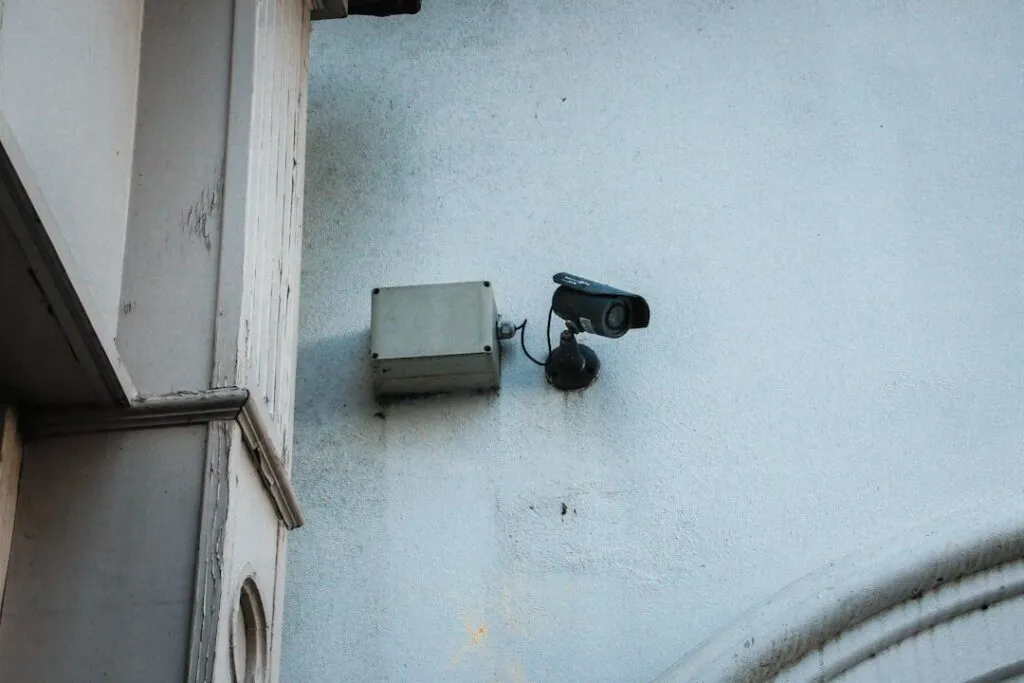
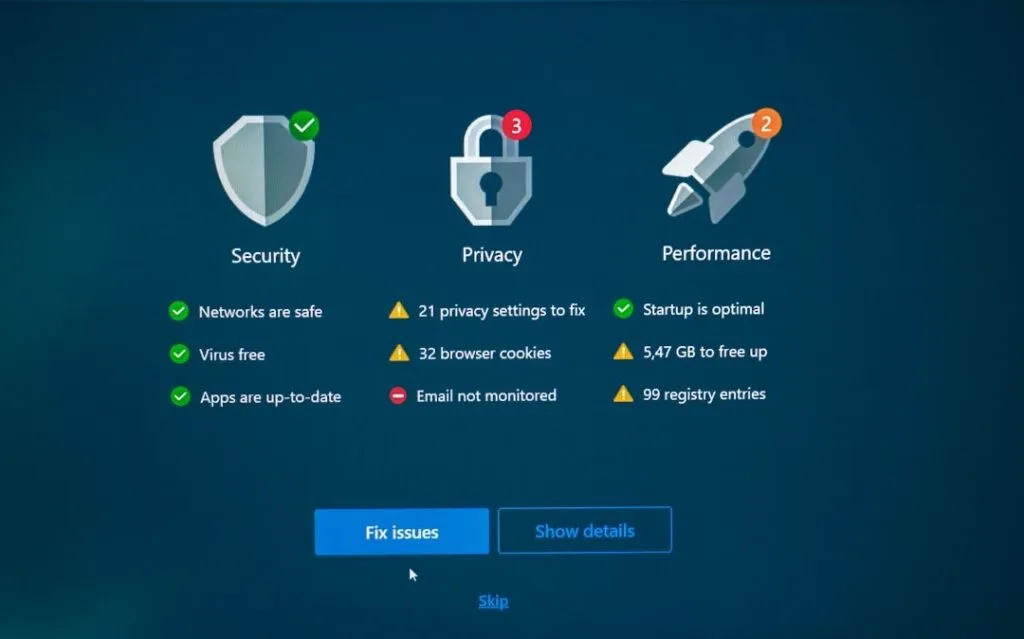
In an age where technology permeates every aspect of daily life, electronic surveillance has emerged as a significant concern for individuals and societies alike. The term “electronic surveillance” encompasses a wide range of monitoring techniques, including the use of cameras, GPS tracking, internet monitoring, and data collection through various digital platforms. As these technologies become increasingly sophisticated, they raise critical questions about the balance between security and privacy.
The pervasive nature of electronic surveillance has led to a growing unease among citizens regarding their personal freedoms and the extent to which their lives are being monitored. The implications of electronic surveillance extend beyond mere privacy concerns; they touch upon fundamental human rights and the ethical responsibilities of those who wield such technologies. As governments, corporations, and even individuals gain access to powerful surveillance tools, the potential for misuse and abuse becomes a pressing issue.
This article will explore the multifaceted dimensions of electronic surveillance, examining its historical context, legal ramifications, psychological effects, and future trajectory in relation to personal privacy.
Key Takeaways
- Electronic surveillance has evolved significantly, raising complex legal and ethical challenges.
- It profoundly affects personal privacy, business confidentiality, and corporate security.
- Government surveillance plays a critical role in national security but often sparks privacy concerns.
- Surveillance impacts psychological well-being, social relationships, and freedom of expression.
- Protecting privacy requires proactive strategies as electronic surveillance technologies continue to advance.
The History of Electronic Surveillance
The roots of electronic surveillance can be traced back to the early 20th century, with the advent of radio technology and the subsequent development of wiretapping techniques. Initially employed by law enforcement agencies to combat crime, these methods laid the groundwork for more advanced forms of surveillance. The introduction of closed-circuit television (CCTV) in the 1960s marked a significant turning point, as it allowed for real-time monitoring of public spaces.
This technology quickly gained traction in urban areas, with cities installing cameras to deter crime and enhance public safety. As technology evolved, so too did the methods of surveillance. The rise of the internet in the late 20th century ushered in a new era of data collection and monitoring.
With the proliferation of personal computers and mobile devices, individuals unwittingly began sharing vast amounts of information online. This shift prompted governments and corporations to develop sophisticated algorithms capable of analyzing user behavior, leading to targeted advertising and, more controversially, mass surveillance programs. The events surrounding the Edward Snowden revelations in 2013 brought these practices into the public eye, exposing the extent to which governments were monitoring citizens’ communications and activities.
The Legal and Ethical Implications of Electronic Surveillance
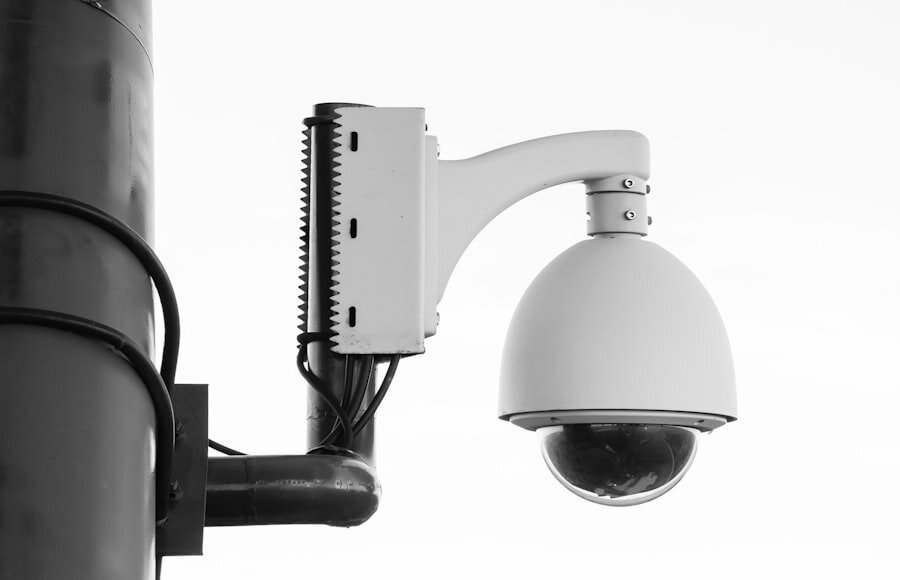
The legal landscape surrounding electronic surveillance is complex and often contentious. In many countries, laws governing surveillance practices are designed to protect citizens’ rights while allowing law enforcement agencies to carry out their duties effectively. However, these laws frequently lag behind technological advancements, creating gaps that can be exploited.
Ethically, electronic surveillance raises profound questions about consent and autonomy. Many individuals are unaware of the extent to which their data is being collected or how it may be used.
This lack of transparency can lead to a sense of powerlessness among citizens, who may feel that their privacy is being eroded without their knowledge or consent. Furthermore, the potential for discrimination based on collected data—such as racial profiling or targeting specific demographics—adds another layer of ethical complexity to the discussion surrounding electronic surveillance.
The Impact of Electronic Surveillance on Personal Privacy
| Metric | Description | Impact on Personal Privacy | Example Data |
|---|---|---|---|
| Number of Surveillance Cameras | Total public and private electronic surveillance cameras in urban areas | Higher camera density increases monitoring and reduces anonymity | Average 1 camera per 11 people in major cities |
| Data Collection Volume | Amount of personal data collected daily via electronic surveillance | Large data volumes increase risk of misuse and privacy breaches | Over 2.5 quintillion bytes of data generated daily worldwide |
| Incidents of Data Breaches | Reported cases of unauthorized access to surveillance data | Compromises personal privacy and trust in surveillance systems | Over 1,000 reported breaches annually in surveillance databases |
| Public Awareness Level | Percentage of population aware of electronic surveillance practices | Higher awareness can lead to increased demand for privacy protections | Approximately 70% of adults aware of government surveillance programs |
| Legislation Enacted | Number of laws passed to regulate electronic surveillance | Stronger laws can mitigate negative privacy impacts | 15 major privacy protection laws enacted globally since 2010 |
| Public Trust Index | Measure of public trust in electronic surveillance entities | Lower trust correlates with concerns over privacy violations | Trust index score: 45/100 in recent surveys |
The impact of electronic surveillance on personal privacy is profound and multifaceted. As individuals navigate an increasingly interconnected world, their personal information is often collected without their explicit consent. Social media platforms, search engines, and various applications track user behavior to create detailed profiles that can be sold to advertisers or used for other purposes.
This commodification of personal data raises significant concerns about individual autonomy and control over one’s own information. Moreover, the normalization of surveillance has led to a culture where individuals may feel compelled to self-censor their behavior due to the awareness that they are being watched. This phenomenon is particularly evident in public spaces equipped with CCTV cameras, where people may alter their actions or refrain from expressing themselves freely out of fear that they are being monitored.
The chilling effect on personal expression can stifle creativity and inhibit open dialogue, ultimately undermining the very fabric of democratic societies.
The Effect of Electronic Surveillance on Business and Corporate Privacy
In the corporate realm, electronic surveillance has transformed how businesses operate and interact with consumers. Companies increasingly rely on data analytics to gain insights into consumer behavior, preferences, and trends. While this can lead to improved products and services tailored to customer needs, it also raises significant concerns about corporate privacy.
Businesses must navigate a delicate balance between leveraging data for competitive advantage and respecting consumer privacy rights. Additionally, corporate espionage has become a pressing issue in an era where sensitive information can be easily accessed through electronic means. Companies face threats from hackers seeking to exploit vulnerabilities in their systems or from competitors attempting to gain an edge through illicit means.
As a result, many organizations have implemented stringent surveillance measures to protect their intellectual property and sensitive data. However, these measures can inadvertently infringe upon employee privacy rights, leading to tensions between management and staff regarding workplace monitoring practices.
The Role of Government Surveillance in National Security

Government surveillance plays a crucial role in national security efforts aimed at preventing terrorism and other threats to public safety.
While proponents argue that such measures are necessary for safeguarding citizens, critics contend that they can lead to overreach and violations of civil liberties.
The balance between security and privacy is particularly contentious in democratic societies where citizens expect transparency and accountability from their governments. High-profile cases involving government surveillance programs have sparked public outrage and calls for reform. For instance, following the revelations about the National Security Agency’s (NSA) mass data collection practices in the United States, there was a significant push for greater oversight and regulation of surveillance activities.
This ongoing debate highlights the challenges governments face in justifying surveillance measures while maintaining public trust.
The Psychological Effects of Electronic Surveillance on Individuals
The psychological effects of electronic surveillance on individuals can be profound and far-reaching. Constant awareness of being monitored can lead to heightened anxiety and stress levels as people grapple with the implications of their actions being recorded or analyzed. This phenomenon is often referred to as “surveillance fatigue,” where individuals become desensitized to monitoring but simultaneously experience an underlying sense of unease about their privacy being compromised.
Moreover, the knowledge that one is under surveillance can alter behavior in significant ways. Research has shown that individuals may engage in self-censorship or modify their actions when they believe they are being watched. This behavioral modification can stifle creativity and inhibit authentic self-expression, leading to a society where individuals feel pressured to conform to societal norms rather than embracing their unique identities.
The Impact of Electronic Surveillance on Social Interactions and Relationships
Electronic surveillance has also transformed social interactions and relationships in profound ways. The omnipresence of smartphones equipped with cameras and location-tracking capabilities has blurred the lines between public and private life. Individuals often share intimate moments on social media platforms without fully considering the implications of their digital footprints.
This shift has led to a culture where personal relationships are increasingly mediated by technology. Furthermore, the fear of being surveilled can impact interpersonal dynamics. People may hesitate to engage in candid conversations or express dissenting opinions due to concerns about being recorded or monitored by others.
This atmosphere of mistrust can erode the foundation of relationships, making it difficult for individuals to connect authentically with one another. As social interactions become more transactional and less personal, the quality of relationships may suffer.
The Influence of Electronic Surveillance on Freedom of Speech and Expression
The influence of electronic surveillance on freedom of speech and expression is a critical concern in contemporary society. When individuals are aware that their communications are being monitored—whether by government agencies or private corporations—they may self-censor their speech out of fear of repercussions. This chilling effect can stifle dissenting voices and limit open discourse on important societal issues.
Moreover, the potential for targeted harassment or persecution based on monitored speech raises significant ethical questions about freedom of expression. In authoritarian regimes, for example, electronic surveillance is often used as a tool for suppressing dissent and controlling public opinion. Citizens may refrain from speaking out against government policies or engaging in activism due to fears of retaliation or punishment.
In democratic societies, while protections for free speech exist, the pervasive nature of surveillance can still create an environment where individuals feel constrained in expressing their views.
The Future of Electronic Surveillance and its Potential Impact on Privacy
As technology continues to advance at an unprecedented pace, the future of electronic surveillance presents both opportunities and challenges for privacy advocates. Emerging technologies such as artificial intelligence (AI) and machine learning have the potential to enhance surveillance capabilities significantly. While these advancements can improve security measures and streamline data analysis processes, they also raise concerns about increased invasions of privacy.
The proliferation of smart devices—often referred to as the Internet of Things (IoT)—further complicates the landscape of electronic surveillance. Everyday objects equipped with sensors and connectivity capabilities can collect vast amounts of data about individuals’ habits and preferences. As these devices become more integrated into daily life, questions arise regarding who owns this data and how it may be used or shared without consent.
Strategies for Protecting Privacy in the Age of Electronic Surveillance
In light of the pervasive nature of electronic surveillance, individuals must adopt proactive strategies for protecting their privacy in an increasingly monitored world. One effective approach is utilizing encryption tools for communications—such as end-to-end encrypted messaging apps—that ensure only intended recipients can access messages. This practice helps safeguard sensitive information from prying eyes.
Additionally, individuals should be vigilant about managing their digital footprints by regularly reviewing privacy settings on social media platforms and limiting the amount of personal information shared online. Employing virtual private networks (VPNs) can also enhance online privacy by masking IP addresses and encrypting internet traffic. Advocacy for stronger privacy regulations at both national and international levels is essential for addressing systemic issues related to electronic surveillance.
Engaging in public discourse about privacy rights can help raise awareness about these issues while fostering a culture that values individual autonomy over personal data. In conclusion, navigating the complexities surrounding electronic surveillance requires a multifaceted approach that considers legal frameworks, ethical implications, psychological effects, and individual agency in protecting privacy rights amidst evolving technological landscapes.
Electronic surveillance has become an increasingly important topic in today’s digital age, raising questions about privacy and security. For those interested in exploring this subject further, a related article can be found on the Metro Detective Agency’s website, which discusses various aspects of surveillance technology and its implications. You can read more about it in their news section by following this link: