Protecting Your Privacy: Essential Tips and Strategies for the Modern World
In today’s interconnected digital age, privacy has become one of our most valuable yet vulnerable assets. From data breaches and identity theft to surveillance technologies and invasive tracking, threats to personal privacy come from multiple directions. Whether you’re concerned about protecting your financial information, safeguarding your family’s safety, securing business confidential data, or simply maintaining control over your personal information, understanding privacy protection is essential. This comprehensive guide provides practical tips and strategies to help you protect your privacy in both digital and physical environments.
Understanding Modern Privacy Threats
Before implementing protection strategies, it’s important to understand the landscape of privacy threats you face in today’s world.
Digital Privacy Threats
The digital realm presents some of the most pervasive and sophisticated privacy challenges.
Data breaches have become alarmingly common, with major corporations, government agencies, and financial institutions experiencing security compromises that expose millions of people’s personal information. These breaches can reveal names, addresses, Social Security numbers, financial account details, passwords, and other sensitive data that criminals exploit for identity theft and fraud.
Online tracking and profiling occurs constantly as you browse the internet. Websites, advertisers, social media platforms, and data brokers collect information about your online activities, building detailed profiles of your interests, behaviors, and personal characteristics. This information is used for targeted advertising but can also be sold, shared, or misused in ways you never intended.
Social media privacy risks stem from oversharing personal information, inadequate privacy settings, and the permanent nature of online content. Posts, photos, location data, and connections reveal information about your life, habits, family, and vulnerabilities that can be exploited by criminals, stalkers, or malicious actors.
Malware and spyware can infect your devices, stealing passwords, monitoring your activities, accessing your files, and compromising your privacy without your knowledge. These threats come through phishing emails, malicious downloads, compromised websites, and infected software.
Public WiFi vulnerabilities allow hackers to intercept data transmitted over unsecured networks, potentially capturing passwords, financial information, and private communications.
Physical Privacy Threats
Privacy threats aren’t limited to the digital world—physical surveillance and information gathering pose significant risks as well.
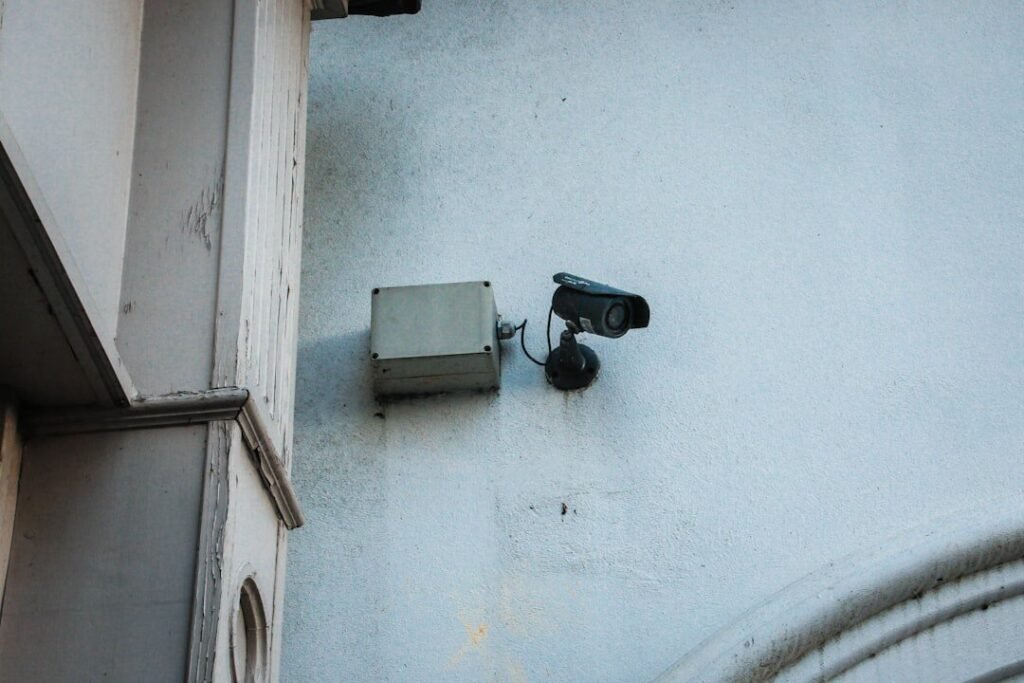
Surveillance cameras are ubiquitous in public spaces, businesses, and increasingly in private settings. While many serve legitimate security purposes, unauthorized surveillance in private spaces violates privacy rights and can be used for stalking, harassment, or blackmail.
Hidden cameras and listening devices can be planted in homes, offices, hotel rooms, and vehicles to capture private conversations and activities. As discussed in our previous guides on hidden cameras and covert listening devices, these threats require vigilance and detection measures.
Physical document theft includes mail theft, dumpster diving for discarded documents, and theft of physical records containing personal information. Criminals use this information for identity theft and fraud.
Shoulder surfing and eavesdropping occur when others observe you entering passwords, viewing sensitive information on screens, or discussing private matters in public spaces.
GPS tracking devices can be secretly placed on vehicles to monitor your movements, locations, and patterns—a tactic used by stalkers, suspicious partners, and criminals planning targeted crimes.
Identity Theft and Fraud
Identity theft remains one of the most damaging privacy violations, with far-reaching consequences.
Criminals use stolen personal information to open fraudulent accounts, make unauthorized purchases, file false tax returns, obtain medical services, commit crimes in your name, and access your existing accounts. The average identity theft victim spends months and significant money resolving the damage.
Identity theft can result from data breaches, phishing scams, physical document theft, social engineering, compromised accounts, and even insider threats from employees with access to personal information.
Social Engineering Attacks
Social engineering exploits human psychology rather than technical vulnerabilities to gain access to private information.
Phishing attacks use fraudulent emails, texts, or calls that appear to come from legitimate sources, tricking you into revealing passwords, account numbers, or other sensitive information.
Pretexting involves creating false scenarios to manipulate you into divulging information. Scammers may impersonate authority figures, service providers, or even family members in distress.
Baiting offers something enticing (free downloads, prizes, job opportunities) to lure you into compromising your privacy or security.
Understanding these threats helps you recognize and avoid them before they compromise your privacy.
Digital Privacy Protection Strategies
Protecting your digital privacy requires a multi-layered approach addressing various aspects of your online presence and activities.
Secure Your Devices and Accounts
Your devices and online accounts are gateways to your personal information and must be properly secured.
Use strong, unique passwords for every account. Strong passwords are at least 12-16 characters long, combine uppercase and lowercase letters, numbers, and symbols, avoid dictionary words and personal information, and are never reused across multiple accounts.
Consider using passphrases—random words strung together—which are both strong and easier to remember than complex character combinations.
Implement a password manager to generate, store, and autofill strong unique passwords for all your accounts. Password managers eliminate the impossible task of remembering dozens of complex passwords while ensuring each account has maximum protection. Reputable options include 1Password, LastPass, Bitwarden, and Dashlane.
Enable two-factor authentication (2FA) on every account that offers it, especially email, financial, and social media accounts. 2FA requires a second verification method beyond your password—typically a code sent to your phone or generated by an authenticator app. This dramatically reduces the risk of unauthorized access even if your password is compromised.
Use authenticator apps (Google Authenticator, Authy, Microsoft Authenticator) rather than SMS-based 2FA when possible, as text messages can be intercepted through SIM swapping attacks.
Keep software and operating systems updated with the latest security patches. Enable automatic updates for your operating system, browsers, apps, and security software. Updates often fix vulnerabilities that criminals exploit to compromise devices and steal information.
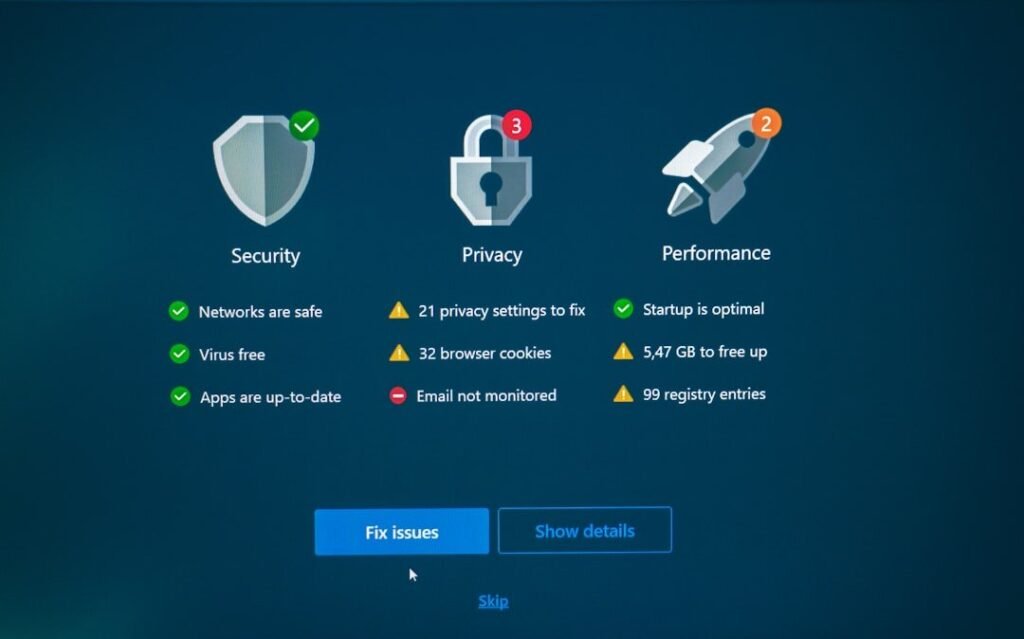
Install reputable security software including antivirus, anti-malware, and firewall protection on all devices. Keep this software updated and run regular scans to detect and remove threats.
Encrypt your devices using built-in encryption features (FileVault for Mac, BitLocker for Windows, device encryption for mobile devices). Encryption protects your data if devices are lost, stolen, or accessed without authorization.
Lock your devices with strong PINs, passwords, or biometric authentication. Set devices to auto-lock after brief periods of inactivity. Never leave devices unlocked and unattended in public spaces.
Protect Your Online Communications
Email, messaging, and other communications contain sensitive information that requires protection.
Use encrypted email services for sensitive communications. Services like ProtonMail, Tutanota, and others offer end-to-end encryption that prevents anyone—including the service provider—from reading your messages.
For standard email accounts, be cautious about what information you send via email, as it’s generally not secure. Never send passwords, financial account numbers, or highly sensitive information through unencrypted email.
Choose encrypted messaging apps for private conversations. Signal, WhatsApp (with end-to-end encryption enabled), and Wire offer secure messaging that protects your communications from interception. Avoid SMS text messages for sensitive discussions, as they’re not encrypted and can be intercepted.
Be cautious with video conferencing platforms. Use services with strong encryption and privacy features, enable waiting rooms and passwords for meetings, be mindful of what’s visible in your background, and mute when not speaking to prevent accidental audio leaks.
Verify sender identities before responding to emails or messages requesting information or action. Phishing attacks often impersonate legitimate contacts. When in doubt, contact the supposed sender through a different communication channel to verify authenticity.
Use VPNs (Virtual Private Networks) when accessing the internet, especially on public WiFi networks. VPNs encrypt your internet traffic and hide your IP address, protecting your online activities from monitoring and interception. Reputable VPN services include NordVPN, ExpressVPN, and ProtonVPN.
Control Your Social Media Privacy
Social media platforms are goldmines of personal information that require careful privacy management.
Review and restrict privacy settings on all social media accounts. Limit who can see your posts, photos, friend lists, and personal information. Most platforms default to more public settings than necessary—actively configure them for maximum privacy.
Be selective about what you share online. Avoid posting information that reveals your location in real-time, your daily routines and patterns, when you’re away from home, personal details like birth dates or addresses, photos that reveal sensitive information in the background, or information about your children that could compromise their safety.
Remember that once information is posted online, it can be copied, shared, and preserved even if you later delete it. Think carefully before posting anything you might regret.
Limit your friend/follower lists to people you actually know and trust. Fake profiles and social engineering attacks often begin with friend requests from strangers or impersonators.
Disable location services for social media apps unless specifically needed. Location data reveals your movements, home and work addresses, and patterns that can be exploited.
Review tagged photos and posts before they appear on your profile. Most platforms allow you to approve tags, preventing others from associating you with content without your consent.
Regularly audit your social media presence by searching for yourself online, reviewing old posts that may no longer be appropriate, checking privacy settings periodically as platforms change them, and removing connections to people you no longer know or trust.
Consider using privacy-focused social media alternatives or limiting your social media use altogether. The most effective way to protect social media privacy is to minimize your presence on these platforms.
Manage Your Digital Footprint
Your digital footprint—the trail of data you leave online—requires active management to protect privacy.
Use privacy-focused search engines like DuckDuckGo or StartPage that don’t track your searches or build profiles of your interests. These alternatives to Google provide search results without surveillance.
Clear cookies and browsing data regularly to remove tracking information stored by websites. Use browser privacy modes (Incognito, Private Browsing) for sensitive searches, though understand these don’t provide complete anonymity.
Install browser privacy extensions including ad blockers (uBlock Origin), tracker blockers (Privacy Badger), and script blockers (NoScript) that prevent websites from tracking your activities and collecting data.
Opt out of data broker databases that collect and sell your personal information. Services like DeleteMe and Privacy Duck can help remove your information from these databases, though this requires ongoing effort as information reappears.
Use disposable email addresses for online registrations, newsletters, and situations where you don’t want to provide your primary email. Services like SimpleLogin or Firefox Relay create forwarding addresses that protect your real email.
Be cautious about app permissions on mobile devices. Many apps request access to contacts, location, camera, microphone, and other data they don’t actually need. Review and restrict permissions to only what’s necessary for app functionality.
Read privacy policies for services you use, particularly for apps and websites handling sensitive information. While lengthy and complex, privacy policies reveal how your data is collected, used, and shared.
Protect Financial Privacy
Financial information is among the most sensitive data requiring robust protection.
Monitor accounts regularly for unauthorized transactions or suspicious activity. Set up alerts for transactions, login attempts, and account changes. Early detection of fraud minimizes damage.
Use credit monitoring services to track changes to your credit reports and alert you to new accounts or inquiries. Many banks and credit card companies offer free monitoring, or you can use services like Credit Karma or directly access your credit reports from the three major bureaus.
Freeze your credit with all three credit bureaus (Equifax, Experian, TransUnion) if you’re not actively applying for credit. Credit freezes prevent criminals from opening new accounts in your name. Freezes are free and can be temporarily lifted when needed.
Use virtual credit card numbers for online purchases when possible. Many credit card companies offer this feature, generating temporary card numbers linked to your account that protect your actual card details from merchant breaches.
Avoid storing payment information on websites and apps unless absolutely necessary. While convenient, saved payment methods create additional vulnerability if accounts are compromised.
Shred financial documents before disposal, including bank statements, credit card offers, tax documents, and any papers containing account numbers or personal information.
Be cautious with financial information sharing and never provide account details, passwords, or sensitive information in response to unsolicited contacts. Legitimate financial institutions never request this information via email or phone calls they initiate.
Physical Privacy Protection Strategies
Protecting privacy in the physical world requires vigilance and practical security measures.
Secure Your Home Environment
Your home should be your most private and secure space, requiring appropriate protections.
Install quality locks on all exterior doors and windows. Consider upgrading to smart locks with access logs, or high-security locks that resist picking and forced entry. Always change locks when moving into a new home or after losing keys.
Implement a home security system with door and window sensors, motion detectors, and monitoring services. Modern systems offer smartphone alerts and remote monitoring capabilities.
Be cautious about smart home devices that include cameras and microphones. Research privacy policies before purchasing, change default passwords immediately, keep firmware updated, disable features you don’t use, and consider placing devices in less private areas of your home.
Use window treatments to prevent outsiders from viewing into your home, particularly in bedrooms, bathrooms, and other private spaces.
Secure your mail with a locking mailbox or P.O. box to prevent mail theft. Collect mail promptly and consider informed delivery services that notify you of expected mail.
Shred sensitive documents before disposal using a cross-cut shredder. Documents to shred include financial statements, medical records, tax documents, credit card offers, and anything containing personal information.
Control access to your home by being selective about who receives keys, supervising service providers and contractors, using security cameras to monitor entrances, and being cautious about smart lock access codes.
Conduct regular counter-surveillance checks of your home, particularly if you have reason to suspect surveillance. As discussed in our guides on hidden cameras and listening devices, periodic inspections can identify unauthorized monitoring.
Protect Privacy in Public Spaces
Public environments present unique privacy challenges requiring situational awareness and protective behaviors.
Be aware of your surroundings and notice who’s near you, particularly when handling sensitive information or having private conversations. Surveillance and eavesdropping often occur in public spaces where people feel a false sense of anonymity.
Shield screens and keypads when entering passwords, PINs, or viewing sensitive information. Position yourself to prevent shoulder surfing, and use privacy screens on devices when working in public.
Avoid sensitive conversations in public spaces where others can overhear. Phone calls discussing private matters should wait until you’re in secure locations.
Be cautious with public WiFi networks. Avoid accessing sensitive accounts or conducting financial transactions over public WiFi. If you must use public networks, always use a VPN to encrypt your connection.
Secure your belongings in public spaces. Never leave devices, bags, or documents unattended. Use cable locks for laptops when working in public spaces.
Be mindful of public surveillance cameras and understand that your activities in public spaces may be recorded. While you have limited privacy expectations in public, be aware of what you’re doing and saying in camera range.
Dispose of sensitive materials properly when away from home. Don’t discard documents containing personal information in public trash bins. Take them home for proper shredding.
Protect Your Vehicle Privacy
Vehicles contain personal information and can be targets for privacy invasion.
Lock your vehicle always, even when parked at home. Remove valuables and documents from view to prevent break-ins motivated by visible items.
Secure vehicle documents including registration and insurance papers. While these must be kept in the vehicle, store them securely and never leave them visible.
Be cautious with vehicle technology including infotainment systems that store contact information, navigation history, and connected phone data. Clear this information before selling or servicing vehicles, and regularly review what data is stored.
Check for GPS tracking devices if you suspect surveillance. As discussed in our counter-surveillance guides, tracking devices can be hidden on vehicles to monitor your movements. Regular inspections of wheel wells, undercarriages, and bumpers can identify unauthorized trackers.
Use garage parking when possible to prevent vehicle access by others and reduce visibility of your comings and goings.
Manage Personal Information Carefully
How you handle personal information in the physical world significantly impacts your privacy.
Carry minimal identification and cards in your wallet or purse. Only bring what you need for specific outings, leaving other cards and documents secured at home. This limits exposure if your wallet is lost or stolen.
Use RFID-blocking wallets or sleeves to prevent electronic skimming of credit cards and identification documents with RFID chips.
Be cautious about providing personal information to businesses, service providers, and others. Ask why information is needed, how it will be used and protected, and whether providing it is truly required. You have the right to decline sharing information that isn’t necessary.
Verify identities before providing information to anyone claiming to need it. Scammers often impersonate authority figures, service providers, or officials to trick people into revealing personal details.
Protect your Social Security number carefully. Only provide it when legally required (employment, financial accounts, government agencies). Question requests from other sources and consider whether alternatives exist.
Safeguard medical information by reviewing medical privacy notices, limiting who has access to your health records, and being cautious about discussing medical matters in public or with unauthorized individuals.
Privacy Protection for Families
Protecting family privacy requires special considerations, particularly for children and vulnerable family members.
Protecting Children’s Privacy
Children face unique privacy risks and require parental guidance and protection.
Educate children about online privacy including not sharing personal information online, understanding that online content is permanent, recognizing stranger danger in digital spaces, and being cautious about what they post and share.
Age-appropriate privacy education should begin early and evolve as children grow and their online activities expand.
Monitor children’s online activities through parental controls on devices and networks, regular conversations about their online experiences, periodic reviews of social media accounts and friend lists, and awareness of the apps and platforms they use.
Balance monitoring with respect for age-appropriate privacy, adjusting oversight as children mature and demonstrate responsible behavior.
Limit children’s digital footprint by being cautious about posting photos and information about your children online, using privacy settings on any accounts involving children, avoiding sharing identifying information like full names, schools, or locations, and teaching children to do the same.
Review and restrict app permissions on children’s devices. Many apps request unnecessary access to contacts, location, camera, and other data. Only grant permissions essential for app functionality.
Use family safety features offered by device manufacturers and service providers, including screen time limits, content filters, location sharing for safety, and purchase restrictions.
Protecting Elderly Family Members
Elderly individuals are often targeted for scams and privacy invasions due to perceived vulnerability.
Educate elderly family members about common scams including phone scams claiming to be from government agencies or tech support, phishing emails requesting personal information, romance scams that build relationships before requesting money, and lottery or prize scams requiring payment or information.
Help secure their accounts and devices by setting up strong passwords and two-factor authentication, installing security software, enabling automatic updates, and reviewing privacy settings on their behalf.
Monitor for signs of fraud including unexplained financial transactions, new accounts or credit inquiries they didn’t initiate, unusual phone calls or emails requesting information, and changes in financial behavior or confusion about accounts.
Consider power of attorney or other legal arrangements that allow you to help manage affairs and detect problems early if elderly family members have difficulty managing their own privacy and security.
Family Communication About Privacy
Open communication about privacy within families creates a culture of protection.
Establish family privacy rules including guidelines for social media use, protocols for handling sensitive information, expectations about device security, and procedures for reporting suspicious incidents or concerns.
Have regular privacy discussions about new threats and scams, changes in family circumstances that affect privacy, updates to security measures and practices, and any concerns family members have about privacy.
Lead by example in practicing good privacy habits. Children and other family members learn from observing your behaviors and priorities regarding privacy protection.
When to Seek Professional Help
While many privacy protection measures can be implemented independently, certain situations warrant professional assistance.
Signs You Need Professional Privacy Protection
Consider professional help if you’re experiencing stalking or harassment, if you’ve discovered unauthorized surveillance in your home or office, if you’re involved in high-stakes business negotiations or legal matters, if you’re a high-profile individual facing elevated privacy risks, if you’ve been a victim of identity theft or significant fraud, or if you handle highly sensitive information requiring maximum protection.
Professional services provide expertise, equipment, and capabilities beyond what individuals can accomplish independently.
Types of Professional Privacy Services
Various professionals specialize in different aspects of privacy protection.
Private investigators conduct counter-surveillance sweeps to detect hidden cameras and listening devices, investigate privacy violations and gather evidence, perform background checks on individuals with access to your private spaces, and provide security consultations and recommendations.
Cybersecurity professionals assess digital security vulnerabilities, implement comprehensive protection measures, respond to data breaches or hacking incidents, and provide ongoing monitoring and threat detection.
Identity theft resolution services help victims recover from identity theft, work with creditors and agencies to resolve fraudulent accounts, monitor credit and identity for ongoing protection, and prevent future incidents.
Privacy attorneys advise on privacy rights and legal protections, represent you in cases involving privacy violations, help with data removal requests and privacy disputes, and draft agreements protecting confidential information.
Security consultants assess overall security and privacy vulnerabilities, design comprehensive protection plans, implement physical and technical security measures, and provide training on security and privacy practices.
Metro Detective Agency Privacy Protection Services
Metro Detective Agency provides comprehensive privacy protection services to help individuals and businesses safeguard their personal information and maintain security in both digital and physical environments.
Counter-Surveillance Services
Our licensed investigators conduct professional technical surveillance countermeasures (TSCM) to detect and eliminate privacy threats including hidden cameras, covert listening devices, GPS tracking devices, and other surveillance equipment.
We use state-of-the-art detection equipment including RF spectrum analyzers, non-linear junction detectors, thermal imaging, and other specialized tools to identify surveillance threats that consumer equipment would miss.
Our counter-surveillance services include comprehensive sweeps of homes, offices, vehicles, and other locations, pre-event security sweeps before important meetings or negotiations, regular scheduled sweeps for ongoing protection, and emergency response when you suspect surveillance.
Privacy Investigations
When you suspect privacy violations, our investigators can uncover the truth and gather evidence for legal action.
We investigate unauthorized surveillance and privacy invasions, stalking and harassment situations, identity theft and fraud, data breaches and information leaks, and other privacy violations.
Our investigations are conducted discreetly and professionally, with findings documented in detailed reports suitable for law enforcement or legal proceedings.
Security Consultations
Beyond detecting existing threats, we help clients prevent future privacy violations through comprehensive security assessments and planning.
Our security consultations identify vulnerabilities in your physical and digital environments, provide recommendations for protective measures and security improvements, develop customized security plans based on your specific risks and circumstances, and offer training on privacy protection practices.
We take a holistic approach to privacy protection, addressing both technological and behavioral factors that impact your security.
Confidential and Professional Service
Privacy concerns are sensitive matters requiring discretion and professionalism. Metro Detective Agency maintains strict confidentiality about all client engagements, findings, and security measures.
Our investigators are licensed, experienced, and trained in the latest privacy protection and counter-surveillance techniques. We provide clear communication about risks, realistic assessments of threats, and practical solutions that fit your lifestyle and circumstances.
Whether you need one-time assistance with a specific concern or ongoing privacy protection services, Metro Detective Agency is committed to safeguarding your privacy and security.
Frequently Asked Questions
How do I know if my privacy has been compromised?
Signs of privacy compromise include unexplained financial transactions or new accounts, others knowing information they shouldn’t have access to, suspicious behavior from devices or accounts, receiving notifications about login attempts or password changes, finding surveillance devices in your spaces, or experiencing stalking or harassment. If you notice these signs, take immediate action to secure accounts, investigate the source, and consider professional assistance.
What’s the most important thing I can do to protect my privacy?
While comprehensive privacy protection requires multiple measures, using strong unique passwords with two-factor authentication for all accounts provides foundational security. This single practice prevents the majority of unauthorized account access. Beyond this, maintaining awareness of privacy threats and practicing cautious information sharing are essential ongoing habits.
Are privacy protection services expensive?
Costs vary widely based on the type and scope of services needed. Basic counter-surveillance sweeps typically range from $1,500-$5,000, while comprehensive security consultations and ongoing protection programs cost more. However, the cost of privacy violations—including identity theft, fraud, and compromised security—often far exceeds the investment in professional protection. For high-risk individuals or situations involving sensitive information, professional services provide valuable protection and peace of mind.
Can I protect my privacy completely?
Complete privacy is increasingly difficult in the modern world, but you can significantly reduce your vulnerability through consistent protective measures. The goal is risk reduction rather than elimination—making yourself a harder target and minimizing the information available about you. Layered security approaches combining digital and physical protections provide the most effective privacy defense.
How often should I update my privacy protection measures?
Review and update privacy protection measures at least annually, or whenever circumstances change significantly. This includes reviewing account passwords and security settings, checking privacy settings on social media and other platforms, updating software and security tools, assessing new threats and protection technologies, and conducting counter-surveillance checks if you have elevated risks. Privacy protection is an ongoing process rather than a one-time task.
What should I do first if I suspect I’m under surveillance?
If you suspect unauthorized surveillance, document any evidence or suspicious incidents, avoid discussing suspicions in potentially monitored spaces, conduct basic visual inspections for obvious surveillance devices, consider professional counter-surveillance services for thorough detection, and consult with law enforcement if you believe illegal surveillance is occurring. Don’t confront suspected individuals directly, as this may compromise investigations or create safety risks.
Is it worth using a VPN for everyday internet use?
VPNs provide valuable privacy protection by encrypting your internet traffic and hiding your IP address from websites and internet service providers. They’re particularly important when using public WiFi networks but also offer privacy benefits for everyday use at home. Quality VPN services cost $5-15 monthly and provide significant privacy enhancement. However, choose reputable VPN providers, as some free services may actually compromise privacy by logging and selling your data.
Concerned about your privacy and security? Contact Metro Detective Agency today for a confidential consultation about our privacy protection and counter-surveillance services. Our experienced investigators can assess your vulnerabilities, detect existing threats, and implement comprehensive protection measures tailored to your specific needs. Don’t wait until your privacy is compromised—take proactive steps to protect yourself, your family, and your sensitive information.