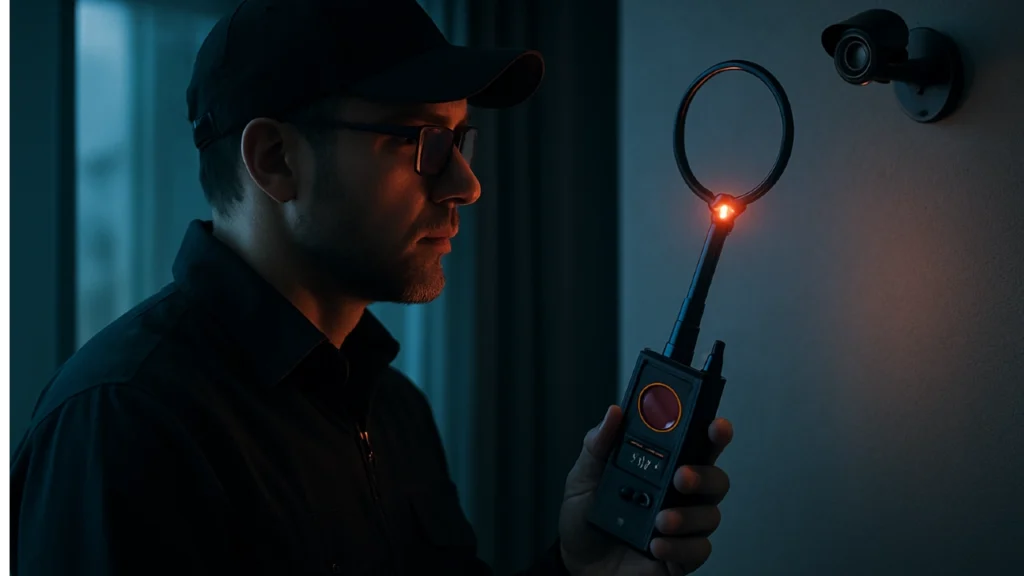
TSCM Investigator: Uncovering Hidden Threats to Your Privacy and Security
Technical Surveillance Countermeasures (TSCM) investigators specialize in detecting and neutralizing covert surveillance threats that compromise privacy and security. These highly trained professionals use advanced detection equipment, systematic methodologies, and investigative expertise to identify hidden bugs, cameras, GPS trackers, and other electronic surveillance devices that threaten confidential communications and sensitive information.
Metro Detective Agency provides professional TSCM investigation services throughout California. Our certified TSCM investigators combine state-of-the-art detection technology with decades of investigative experience to protect individuals, businesses, legal professionals, and organizations from electronic surveillance threats.
What Is a TSCM Investigator?
A TSCM investigator is a specialized professional trained in technical surveillance countermeasures—the detection, identification, and neutralization of electronic surveillance devices and methods. TSCM investigators protect privacy and security by uncovering hidden threats including audio bugs, video surveillance, GPS tracking, telephone taps, computer monitoring, and network intrusions.
TSCM investigation combines technical expertise in electronic detection with investigative skills in threat assessment, surveillance recognition, and security analysis. Professional TSCM investigators undergo extensive training in radio frequency analysis, electronic detection methods, telecommunications security, physical security assessment, and the latest surveillance technologies and countermeasures.
The Role of TSCM Investigators
TSCM investigators serve critical security functions across diverse contexts:
Privacy protection for individuals concerned about domestic surveillance, stalking, or personal privacy violations. TSCM investigators detect surveillance devices in homes, vehicles, and personal spaces, protecting private conversations and activities from unauthorized monitoring.
Corporate security for businesses protecting trade secrets, confidential business information, strategic plans, and competitive advantages from corporate espionage. TSCM investigators secure executive offices, conference rooms, research facilities, and other locations where sensitive business discussions occur.
Legal privilege protection for attorneys and law firms safeguarding attorney-client communications and legal strategy from surveillance by opposing parties. TSCM investigators ensure confidential legal discussions remain protected.
Government and institutional security for agencies and organizations handling classified information, sensitive operations, or confidential matters requiring protection from foreign intelligence services, competitors, or other threat actors.
Executive protection for high-profile individuals, corporate executives, and public figures facing elevated surveillance risks due to their positions, wealth, or public visibility.
Incident response when surveillance is suspected or discovered, providing rapid assessment, device identification, evidence preservation, and security recommendations to address breaches and prevent future incidents.
TSCM investigators provide both proactive security through regular sweeps and reactive response when surveillance threats are identified or suspected.
TSCM Investigation Services and Capabilities
Professional TSCM investigators offer comprehensive services addressing all aspects of electronic surveillance detection and security.
Technical Surveillance Detection
The core function of TSCM investigation is detecting electronic surveillance devices through multiple technical methods.
Radio frequency (RF) spectrum analysis scans the entire radio frequency spectrum from very low frequencies through microwave bands to detect transmitting surveillance devices. Professional spectrum analyzers identify signals across all frequencies including common bands, obscure frequencies, spread-spectrum transmissions, and burst signals from intermittent devices.
TSCM investigators analyze detected signals to distinguish legitimate transmissions from surveillance devices, requiring technical expertise and experience that automated detection lacks. They identify suspicious signals, trace transmission sources, and determine whether detected devices represent security threats.
Non-linear junction detection (NLJD) finds electronic components regardless of whether they are transmitting, powered on, or completely inactive. This technology detects semiconductor junctions present in all electronic devices, identifying hidden electronics even when RF scanning and other methods fail.
NLJD finds recording devices that don’t transmit, powered-off devices awaiting activation, sophisticated devices using anti-detection measures, and electronic components concealed in walls, furniture, or other structures. TSCM investigators use NLJD to complement RF scanning by finding devices that don’t emit radio signals.
Thermal imaging identifies operating electronic devices through heat signatures. Thermal cameras detect temperature differences indicating hidden devices, devices concealed behind walls or in enclosed spaces, and recently operated devices retaining heat. TSCM investigators use thermal imaging to locate devices that evade other detection methods.
Camera lens detection identifies hidden cameras through optical reflections from camera lenses. Specialized lens detectors illuminate areas with specific wavelengths that camera lenses reflect, revealing hidden cameras regardless of whether they’re transmitting or recording. TSCM investigators use lens detection to find cameras concealed in smoke detectors, clocks, electrical outlets, and everyday objects.
Infrared detection identifies night-vision and infrared cameras through the infrared illumination they emit. TSCM investigators use infrared viewers and detectors to reveal emissions invisible to the naked eye.
GPS tracker detection identifies tracking devices through RF detection of transmitting trackers, physical inspection of common vehicle placement locations, and NLJD detection of passive loggers. TSCM investigators systematically examine vehicles to find GPS trackers regardless of type or concealment method.
Carrier current detection identifies devices using electrical wiring to transmit surveillance signals. TSCM investigators analyze electrical systems to detect carrier current transmissions that RF scanning alone might miss.
Optical and laser surveillance detection identifies sophisticated surveillance methods including laser microphones that detect sound through window vibrations and optical devices that intercept visual information. TSCM investigators assess vulnerabilities to these advanced surveillance techniques.
Multiple technical detection methods working together provide comprehensive coverage across all surveillance device types and technologies.
Physical Security Inspection
Comprehensive physical inspection complements technical detection, discovering surveillance devices through systematic examination of all potential concealment locations.
Visual inspection examines all areas for surveillance devices, signs of tampering, unusual items or modifications, and concealment locations where devices might be hidden. TSCM investigators recognize where surveillance operators typically conceal devices and identify subtle indicators of surveillance installation.
Detailed examination of common concealment locations includes smoke detectors, electrical outlets and switches, light fixtures, telephone equipment, computer equipment, furniture, decorative items, HVAC systems, ceiling tiles, wall modifications, vehicle interiors, and any location offering concealment, power access, or strategic positioning for surveillance.
Disassembly when necessary of suspicious items, telephone equipment, electrical devices, and other objects that could conceal surveillance devices. TSCM investigators document original configurations and properly reassemble all items after examination.
Structural inspection examines walls, ceilings, floors, and building infrastructure for concealed devices, unauthorized modifications, or vulnerabilities that could enable surveillance. TSCM investigators identify structural anomalies that may indicate surveillance installation.
Access point assessment evaluates all potential entry points including doors, windows, ventilation systems, and utility access points that surveillance operators could use to install devices. TSCM investigators assess physical security vulnerabilities that enable surveillance installation.
Physical inspection discovers surveillance devices that electronic detection alone might miss, including powered-off devices, recording devices without transmission, and devices using sophisticated concealment or anti-detection measures.
Telecommunications and Network Security Analysis
TSCM investigators analyze telephone systems, computer networks, and communication infrastructure to detect surveillance and security vulnerabilities.
Telephone line analysis examines landline phone systems using professional line analyzers that detect voltage irregularities, capacitance changes, and resistance anomalies indicating surveillance devices. Time domain reflectometry identifies physical taps and modifications to phone lines. TSCM investigators examine telephone equipment including phones, junction boxes, and wiring for physical taps, recording devices, and compromised hardware.
Network security assessment examines computer networks and WiFi systems to identify unauthorized devices connected to networks, suspicious network traffic patterns indicating data exfiltration, compromised routers or network equipment, rogue access points, and security vulnerabilities enabling surveillance. TSCM investigators use network scanning and security assessment tools to identify unauthorized access and suspicious activity.
Device examination analyzes computers, smartphones, tablets, and other devices for monitoring software, keyloggers, unauthorized modifications, and security compromises. TSCM investigators perform forensic examination identifying surveillance software that users cannot detect through normal operation.
VoIP and communication system security assesses security of Voice over IP phones, video conferencing equipment, unified communications systems, and other communication technology that could be compromised for surveillance. TSCM investigators identify vulnerabilities and unauthorized access to communication systems.
Wireless security analysis examines WiFi networks, Bluetooth devices, and other wireless systems for security weaknesses, unauthorized devices, and potential surveillance vectors. TSCM investigators assess wireless security configurations and identify vulnerabilities.
Telecommunications and network security analysis protects against surveillance methods that physical inspection and RF detection alone cannot identify, addressing the full spectrum of modern surveillance threats.
Threat Assessment and Security Consulting
TSCM investigators provide strategic security guidance beyond device detection.
Threat profiling identifies potential surveillance operators, their motivations, capabilities, and likely surveillance methods based on your specific situation. TSCM investigators assess who might conduct surveillance against you, why they would do so, what information they seek, and what surveillance methods they would likely employ.
Vulnerability assessment identifies security weaknesses that enable surveillance including physical access vulnerabilities, technical security gaps, operational security weaknesses, and information security deficiencies. TSCM investigators evaluate your overall security posture and identify areas requiring improvement.
Risk analysis evaluates the likelihood and potential impact of surveillance threats based on your threat profile, information value, and security vulnerabilities. TSCM investigators help you understand your surveillance risk and prioritize security investments.
Security recommendations provide actionable guidance for preventing surveillance and improving overall security. TSCM investigators recommend physical security improvements, technical security measures, operational security practices, access control enhancements, and ongoing monitoring strategies tailored to your specific situation and resources.
Security planning develops comprehensive security strategies addressing current threats and future risks. TSCM investigators help organizations develop security policies, procedures, and programs that protect against surveillance and other security threats.
Training and awareness educates employees, family members, or team members about surveillance threats, security best practices, and indicators of surveillance activity. TSCM investigators provide training programs that build security awareness and capability.
Threat assessment and security consulting extend TSCM investigation beyond device detection to comprehensive security protection.
Incident Response and Investigation
When surveillance is discovered or suspected, TSCM investigators provide rapid response and thorough investigation.
Emergency response provides immediate assessment when surveillance is discovered or suspected. TSCM investigators rapidly deploy to examine locations, identify threats, and implement immediate protective measures.
Evidence preservation ensures proper handling of discovered surveillance devices for potential legal proceedings. TSCM investigators photograph devices in place, document technical specifications, maintain chain of custody, and preserve evidence supporting criminal prosecution or civil litigation.
Forensic analysis examines discovered surveillance devices to determine capabilities, operation, data captured, and potentially identify operators. TSCM investigators conduct technical analysis revealing how long devices were operating, what information was compromised, and technical characteristics that may identify perpetrators.
Investigation of surveillance operators applies investigative techniques to identify who installed surveillance devices and why. TSCM investigators examine access logs, interview witnesses, analyze surveillance objectives, and gather evidence identifying perpetrators.
Coordination with law enforcement assists clients in reporting illegal surveillance to appropriate authorities. TSCM investigators provide professional documentation and evidence supporting criminal investigations and prosecutions.
Damage assessment evaluates what information was compromised through surveillance and potential consequences. TSCM investigators help clients understand the scope of privacy breaches and take appropriate remedial action.
Incident response and investigation address not only the immediate surveillance threat but also the broader security implications and legal remedies.
TSCM Investigation Methodologies and Standards
Professional TSCM investigators follow established methodologies and industry standards ensuring comprehensive and effective services.
Systematic Sweep Protocols
TSCM investigations follow systematic protocols ensuring thorough coverage and consistent results.
Pre-sweep preparation includes client consultation to understand threats and concerns, location assessment and sweep planning, equipment preparation and calibration, and coordination of access and scheduling. Proper preparation ensures efficient and effective sweeps.
Baseline establishment documents the normal RF environment, legitimate devices and signals, and standard conditions before beginning detailed detection. Baseline establishment helps TSCM investigators distinguish between legitimate signals and surveillance devices.
Systematic coverage ensures all areas are thoroughly examined through defined search patterns, multiple detection methods in each area, documentation of all findings, and verification of suspicious indicators. Systematic protocols prevent gaps in coverage.
Multi-method detection applies multiple detection techniques in each area including RF spectrum analysis, NLJD scanning, thermal imaging, physical inspection, and telecommunications analysis. Multiple methods working together maximize detection effectiveness.
Signal analysis and verification carefully evaluates all detected signals and anomalies to distinguish between legitimate devices and surveillance threats. TSCM investigators verify suspicious findings before concluding surveillance devices are present.
Documentation throughout maintains detailed records of areas examined, methods used, signals detected, devices found, and conditions observed. Comprehensive documentation supports reporting and potential legal action.
Post-sweep verification confirms all areas were thoroughly examined, all findings were properly documented, and no areas require additional attention. Verification ensures complete coverage.
Systematic protocols ensure TSCM investigations are thorough, consistent, and effective across diverse situations and locations.
Professional Standards and Certification
Professional TSCM investigators adhere to industry standards and maintain certifications demonstrating expertise.
Technical training in radio frequency theory and spectrum analysis, electronic detection methods and equipment, telecommunications security, physical security assessment, surveillance technologies and countermeasures, and emerging threats and technologies. Ongoing training ensures TSCM investigators remain current with evolving surveillance threats.
Professional certifications from recognized organizations including Certified TSCM Professional (CTP) designations, technical certifications in RF analysis and detection equipment, security certifications, and investigative credentials. Certifications demonstrate verified expertise and professional commitment.
Equipment proficiency with professional-grade spectrum analyzers, non-linear junction detectors, thermal imaging systems, telecommunications analysis equipment, and specialized detection tools. TSCM investigators must demonstrate proficiency with sophisticated equipment requiring technical expertise.
Investigative experience provides context and insight beyond technical detection. Professional TSCM investigators combine technical capabilities with investigative skills in threat assessment, surveillance recognition, evidence handling, and security analysis.
Ethical standards govern professional conduct including client confidentiality, honest reporting of findings, appropriate use of detection capabilities, and adherence to legal requirements. Professional standards ensure TSCM investigators operate with integrity.
Continuing education maintains and advances expertise through ongoing training in new technologies, attendance at professional conferences, participation in industry organizations, and study of emerging surveillance threats and countermeasures.
Professional standards and certifications distinguish qualified TSCM investigators from amateur or unqualified detection services.
Quality Assurance and Verification
Professional TSCM investigations include quality assurance measures ensuring accuracy and completeness.
Equipment calibration ensures detection equipment operates correctly and provides accurate readings. TSCM investigators regularly calibrate equipment and verify performance before sweeps.
Methodology verification confirms systematic protocols were properly followed and all areas received appropriate coverage. Quality assurance reviews ensure no gaps in detection.
Peer review of findings and analysis by other TSCM professionals provides independent verification of conclusions. Complex cases benefit from multiple expert perspectives.
Client briefings provide opportunities to discuss findings, answer questions, and ensure clients understand results and recommendations. Interactive briefings ensure clear communication.
Follow-up availability allows clients to contact TSCM investigators with questions or concerns after sweeps are completed. Ongoing support ensures clients can implement recommendations and address new concerns.
Quality assurance measures ensure TSCM investigations deliver reliable, accurate results that clients can trust for security decision-making.
When You Need a TSCM Investigator
Certain situations warrant professional TSCM investigation to protect privacy and security from electronic surveillance threats.
High-Stakes Legal Proceedings
Legal proceedings involving significant assets, business interests, or serious criminal charges create strong motivations for surveillance by opposing parties seeking strategic advantages.
Divorce and custody litigation involving substantial assets, business ownership, or contested child custody often involves surveillance attempts by spouses seeking evidence or leverage. TSCM investigators protect attorney-client privilege and prevent surveillance from compromising legal strategy.
Business litigation including contract disputes, partnership dissolutions, intellectual property cases, and employment matters may involve surveillance by opposing parties seeking confidential information about legal strategy, settlement positions, or business operations.
Criminal defense in serious cases may involve surveillance by prosecutors, law enforcement, or opposing parties. TSCM investigators protect attorney-client communications and defense strategy from unauthorized monitoring.
High-profile cases attracting media attention or public interest create additional surveillance risks from journalists, opposing parties, or other interested parties. TSCM investigators protect confidential legal work from unauthorized disclosure.
TSCM investigation protects legal privilege and ensures fair proceedings by preventing surveillance from compromising confidential legal communications and strategy.
Corporate Espionage Threats
Businesses possessing valuable information face surveillance threats from competitors, foreign intelligence services, and other actors seeking competitive advantages.
Trade secret protection for companies with proprietary processes, formulas, technologies, or business methods that competitors would value. TSCM investigators protect research and development facilities, executive offices, and locations where trade secrets are discussed.
Strategic planning protection for businesses developing new products, entering new markets, pursuing acquisitions, or implementing strategic initiatives that competitors would benefit from knowing. TSCM investigators secure conference rooms and executive offices where strategic discussions occur.
Competitive intelligence protection prevents competitors from learning about pricing strategies, customer information, business relationships, financial performance, or operational details. TSCM investigators identify surveillance attempts and protect confidential business information.
Merger and acquisition security protects confidential negotiations, due diligence information, and strategic planning during business transactions. TSCM investigators secure deal rooms and communication channels during sensitive transactions.
Executive protection for senior leaders who discuss confidential business information and make strategic decisions. TSCM investigators protect executive offices, homes, and vehicles from surveillance targeting business intelligence.
TSCM investigation protects competitive advantages and prevents corporate espionage from compromising business success.
Personal Privacy Protection
Individuals face surveillance threats in various personal contexts requiring TSCM investigation.
Domestic surveillance during relationship conflicts, separations, or divorces when suspicious partners may install surveillance devices in shared homes, vehicles, or personal spaces. TSCM investigators protect personal privacy and prevent surveillance from being used as leverage in legal proceedings.
Stalking situations where individuals face persistent unwanted attention, threats, or monitoring by former partners, rejected suitors, or obsessed individuals. TSCM investigators identify surveillance devices and GPS trackers that stalkers use to monitor victims.
High-net-worth individuals facing elevated surveillance risks due to wealth, business interests, or public profiles. TSCM investigators provide ongoing security for homes, offices, and vehicles protecting privacy and security.
Public figures including politicians, celebrities, executives, and others with public visibility facing surveillance from media, political opponents, or other interested parties. TSCM investigators protect personal privacy despite public profiles.
Privacy-conscious individuals who value personal privacy and want assurance that their homes and personal spaces are free from surveillance. TSCM investigators provide peace of mind through regular security sweeps.
TSCM investigation protects personal privacy and security across diverse individual circumstances.
Suspicious Indicators of Surveillance
Certain warning signs suggest surveillance may be occurring and warrant immediate TSCM investigation.
Unexplained knowledge when adversaries, competitors, or estranged partners demonstrate knowledge of your private conversations, plans, or confidential information they should not possess. This strongly suggests surveillance may be occurring.
Anticipated actions when opposing parties seem to anticipate your strategies, counter your moves before implementation, or demonstrate preparation for actions you discussed only in private. Anticipation of private plans indicates possible surveillance.
Physical indicators including disturbed areas around phones or electrical outlets, new or moved items in your spaces, unexplained wires or devices, evidence of entry when you were absent, or furniture and objects in different positions. Physical signs may indicate surveillance installation.
Electronic anomalies such as unusual sounds during phone calls, unexpected battery drain on phones or devices, strange interference with radios or televisions, unexplained network activity, or devices behaving unusually. Electronic anomalies may indicate surveillance devices or compromised equipment.
Access opportunities when individuals who might conduct surveillance had access to your home, office, or vehicle, particularly during high-conflict situations, business disputes, or relationship conflicts. Access opportunities enable surveillance installation.
Gut feelings that something isn’t right, you’re being watched, or your privacy is compromised. While not definitive, instincts about surveillance warrant professional investigation to confirm or rule out threats.
Suspicious indicators warrant immediate TSCM investigation to identify surveillance threats before additional information is compromised.
Periodic Security Maintenance
Even without specific threats, regular TSCM investigation provides ongoing security for individuals and organizations handling sensitive information or valuing privacy.
Scheduled sweeps at regular intervals detect surveillance devices before they compromise significant information. Periodic TSCM investigation provides continuous security assurance.
Pre-event sweeps before important meetings, negotiations, strategic planning sessions, or confidential discussions ensure surveillance hasn’t been installed in advance. Pre-event sweeps protect specific high-value conversations.
Post-incident sweeps after security breaches, suspicious activities, or situations where surveillance may have been installed verify that spaces are secure. Post-incident sweeps confirm security after potential compromises.
Change of circumstance sweeps when new threats emerge, conflicts develop, business situations change, or other circumstances increase surveillance risk. TSCM investigation addresses evolving threats.
Facility security sweeps for new offices, conference rooms, executive suites, or other spaces before occupancy ensures they’re free from pre-existing surveillance. Facility sweeps establish security baselines.
Regular TSCM investigation provides ongoing security assurance and detects surveillance before significant information is compromised.
Metro Detective Agency TSCM Investigation Services
Metro Detective Agency provides comprehensive TSCM investigation services throughout California, combining advanced detection technology with decades of investigative experience.
Our TSCM Expertise and Capabilities
Our certified TSCM investigators bring extensive training, experience, and capabilities to every engagement.
Technical expertise in radio frequency spectrum analysis, electronic detection methods, telecommunications security, physical security assessment, and surveillance technologies ensures comprehensive detection capabilities across all surveillance types.
Advanced equipment including professional-grade spectrum analyzers covering the entire RF spectrum, non-linear junction detectors, thermal imaging systems, camera lens detectors, telecommunications analysis equipment, and specialized detection tools provides detection capabilities that consumer-grade equipment cannot match.
Investigative experience spanning decades of professional investigations provides context and insight beyond technical detection. We understand how surveillance is conducted, recognize surveillance indicators, assess threats, and investigate surveillance operators.
Systematic methodologies ensure thorough coverage through established protocols, multiple detection methods, comprehensive documentation, and quality assurance measures. Our systematic approach provides consistent, reliable results.
Licensed and insured status under California Private Investigator License ensures legal compliance, professional standards, accountability, and client protection. Our licensing provides assurance that unlicensed detection services cannot offer.
Proven track record demonstrates our effectiveness through hundreds of successful TSCM investigations, surveillance devices detected and neutralized, clients protected from privacy violations, and security improvements implemented.
Comprehensive TSCM Investigation Services
We provide complete TSCM investigation services addressing all surveillance threats and security needs.
Residential TSCM sweeps protect homes and personal spaces from domestic surveillance, stalking, or privacy violations. We examine homes, apartments, and residential properties for audio bugs, hidden cameras, GPS trackers, and other surveillance devices.
Corporate TSCM sweeps protect businesses from corporate espionage and competitive intelligence gathering. We secure executive offices, conference rooms, research facilities, and other locations where confidential business information is discussed or stored.
Legal office TSCM sweeps protect attorney-client privilege and legal strategy from surveillance by opposing parties. We secure law offices, conference rooms, and meeting spaces where confidential legal communications occur.
Vehicle TSCM sweeps detect GPS trackers, audio bugs, and other surveillance devices in cars, trucks, and other vehicles. We systematically examine vehicles for surveillance devices regardless of type or concealment.
Specialized location sweeps address unique security needs including hotel rooms before important meetings, temporary offices during business travel, conference venues before sensitive discussions, and other specialized locations requiring security verification.
Pre-meeting sweeps before important negotiations, strategic planning sessions, board meetings, or confidential discussions ensure surveillance hasn’t been installed in advance. Pre-meeting sweeps protect specific high-value conversations.
Emergency response provides rapid TSCM investigation when surveillance is discovered or suspected. We respond quickly to assess threats, identify devices, and implement protective measures.
Periodic security sweeps at regular intervals provide ongoing security assurance for individuals and organizations handling sensitive information or facing persistent threats. Scheduled sweeps detect surveillance before significant compromise occurs.
Post-incident investigation when surveillance is discovered examines the scope of compromise, identifies perpetrators when possible, preserves evidence for legal action, and implements security improvements preventing future surveillance.
Security Consulting and Recommendations
Beyond device detection, we provide strategic security guidance addressing vulnerabilities and preventing future surveillance.
Threat assessment identifies potential surveillance operators, their motivations and capabilities, likely surveillance methods, and overall risk levels. We help you understand your surveillance threat profile.
Vulnerability assessment evaluates physical security weaknesses, technical security gaps, operational security deficiencies, and access control vulnerabilities that enable surveillance. We identify areas requiring security improvements.
Security recommendations provide actionable guidance for physical security improvements, technical security measures, operational security practices, access control enhancements, and ongoing monitoring strategies tailored to your specific situation and resources.
Security planning develops comprehensive security strategies addressing current threats and future risks. We help organizations develop security policies, procedures, and programs protecting against surveillance and other security threats.
Training and awareness educates employees, family members, or team members about surveillance threats, security best practices, and indicators of surveillance activity. We provide training programs building security awareness and capability.
Ongoing security support provides continued guidance as situations evolve, threats change, or new security concerns emerge. We remain available to address questions and provide additional services as needed.
Confidential and Professional Service
We understand that TSCM investigation involves sensitive matters requiring discretion and professionalism.
Complete confidentiality protects client privacy through secure communications, confidential consultations, discreet service delivery, and professional confidentiality standards. We never disclose client information without explicit permission except as required by law.
Discreet operations ensure TSCM investigations don’t draw attention or create additional security concerns. We conduct sweeps professionally without advertising our presence.
Flexible scheduling accommodates your needs and minimizes disruption. We work during off-hours, weekends, or other times that suit your schedule and security requirements.
Professional reporting provides comprehensive documentation of findings, technical analysis, security recommendations, and evidence preservation when needed. Our reports support security decision-making and legal action.
Responsive communication ensures you can reach us when needed. We maintain availability for urgent situations and respond promptly to client inquiries.
Client-focused approach tailors services to your specific situation, concerns, and security requirements. Every TSCM investigation is customized to address your unique needs.
Frequently Asked Questions About TSCM Investigators
What qualifications should a TSCM investigator have?
Professional TSCM investigators should have technical training in RF spectrum analysis and electronic detection, professional certifications such as Certified TSCM Professional (CTP), experience with professional-grade detection equipment, investigative background and security expertise, and licensing as required by state law. Metro Detective Agency’s TSCM investigators hold California Private Investigator Licenses and maintain professional certifications and ongoing training.
How is TSCM investigation different from basic bug sweeps?
TSCM investigation is comprehensive and systematic, using professional-grade equipment, multiple detection methods, telecommunications analysis, physical security assessment, and investigative expertise. Basic bug sweeps often use limited consumer-grade equipment and focus only on RF detection, missing many surveillance devices that comprehensive TSCM investigation would find.
Can TSCM investigators detect all surveillance devices?
Professional TSCM investigators using comprehensive methodologies can detect the vast majority of surveillance devices. However, no detection method is 100% effective against all possible surveillance technologies. We use multiple detection methods including RF spectrum analysis, non-linear junction detection, thermal imaging, physical inspection, and telecommunications analysis to maximize detection effectiveness across all device types.
How long does a TSCM investigation take?
TSCM investigation duration depends on location size and complexity. Residential homes typically require 3-6 hours. Office spaces require 4-8 hours depending on size. Vehicle sweeps typically take 1-3 hours. Larger or more complex locations require additional time. We prioritize thoroughness over speed to ensure comprehensive detection.
How much does TSCM investigation cost?
TSCM investigation costs vary based on location size, complexity, and specific services required. Residential investigations typically range from $1,500 to $3,000. Corporate investigations range from $2,500 to $10,000 depending on size and complexity. Vehicle investigations typically cost $500 to $1,500. We provide transparent pricing with detailed proposals outlining scope and costs.
What happens if surveillance devices are found?
If we discover surveillance devices, we photograph them in place, document technical specifications and operation, maintain chain of custody for potential legal proceedings, provide detailed reporting of findings, and offer recommendations for legal action and security improvements. We can coordinate with law enforcement if you wish to pursue criminal charges for illegal surveillance.
How often should TSCM investigations be performed?
Investigation frequency depends on your threat level and situation. High-risk situations including ongoing legal disputes, business competition, or known threats warrant investigations every 3-6 months or before important meetings. Moderate-risk situations benefit from annual investigations. Even without specific threats, periodic investigations every 1-2 years provide security maintenance.
Are TSCM investigations confidential?
Yes. All TSCM investigations are completely confidential. We maintain strict confidentiality about clients, services provided, and findings. Our professional standards and licensing requirements mandate client confidentiality. Information is never disclosed without your explicit permission except as required by law.
Can I be present during the TSCM investigation?
You may be present during TSCM investigations if you wish, though we recommend minimizing people in areas being examined to reduce interference and maintain focus. We provide updates throughout the process and conduct detailed briefings after completion to discuss findings and answer questions.
Do you provide TSCM services outside California?
Metro Detective Agency primarily serves California but can arrange services in other states through our professional network for clients with multi-location needs. Contact us to discuss your specific location requirements.
Contact Metro Detective Agency for Professional TSCM Investigation
Concerned about electronic surveillance threatening your privacy or security? Metro Detective Agency provides professional TSCM investigation services throughout California using advanced detection equipment, systematic methodologies, and investigative expertise.
Our certified TSCM investigators combine state-of-the-art technology with decades of investigative experience to identify surveillance devices and protect your confidential communications and sensitive information. We offer comprehensive detection, professional documentation, security recommendations, and confidential service tailored to your specific situation.
Call Metro Detective Agency today for a confidential consultation about protecting your privacy and security through professional TSCM investigation. Don’t leave your security to chance—get the peace of mind that comes from knowing your private spaces are truly secure.
Metro Detective Agency – Professional TSCM investigation services uncovering hidden threats and protecting your privacy through comprehensive technical surveillance countermeasures.