In an increasingly interconnected world, the importance of security cannot be overstated. Security encompasses a broad spectrum of measures designed to protect individuals, organizations, and assets from various threats, including theft, vandalism, cyberattacks, and natural disasters. The ramifications of inadequate security can be severe, leading to financial losses, reputational damage, and even legal consequences.
This trust is paramount; once lost, it can take years to rebuild. Moreover, the landscape of threats is constantly evolving.
Cybercriminals are becoming more sophisticated, employing advanced techniques to bypass traditional security measures. Physical security threats are also on the rise, with incidents of workplace violence and theft becoming more common. As such, organizations must adopt a proactive approach to security that encompasses both physical and digital realms.
This holistic view ensures that all potential vulnerabilities are addressed, creating a safer environment for employees and customers alike.
Key Takeaways
- Security is multi-faceted, involving physical, cyber, and procedural measures.
- Access control and surveillance are critical for preventing unauthorized entry.
- Regular audits and employee training strengthen overall security posture.
- Emergency response planning and law enforcement collaboration enhance preparedness.
- Staying current with security trends ensures effective protection against evolving threats.
Implementing Access Control Measures
Access control measures are fundamental to any comprehensive security strategy. These measures determine who can enter specific areas within a facility and what resources they can access. By implementing robust access control systems, organizations can significantly reduce the risk of unauthorized entry and protect sensitive information.
Traditional methods include key cards and locks; however, modern solutions often incorporate biometric systems such as fingerprint or facial recognition technology. These advanced systems not only enhance security but also streamline the process of granting access to authorized personnel. In addition to physical access control, organizations should also consider digital access management.
This involves setting permissions for various levels of data access based on an employee’s role within the organization. For instance, sensitive financial information should only be accessible to finance department employees, while marketing teams may require access to customer data for campaign purposes. By implementing role-based access control (RBAC), organizations can minimize the risk of data breaches and ensure that employees only have access to the information necessary for their job functions.
Utilizing Surveillance Systems

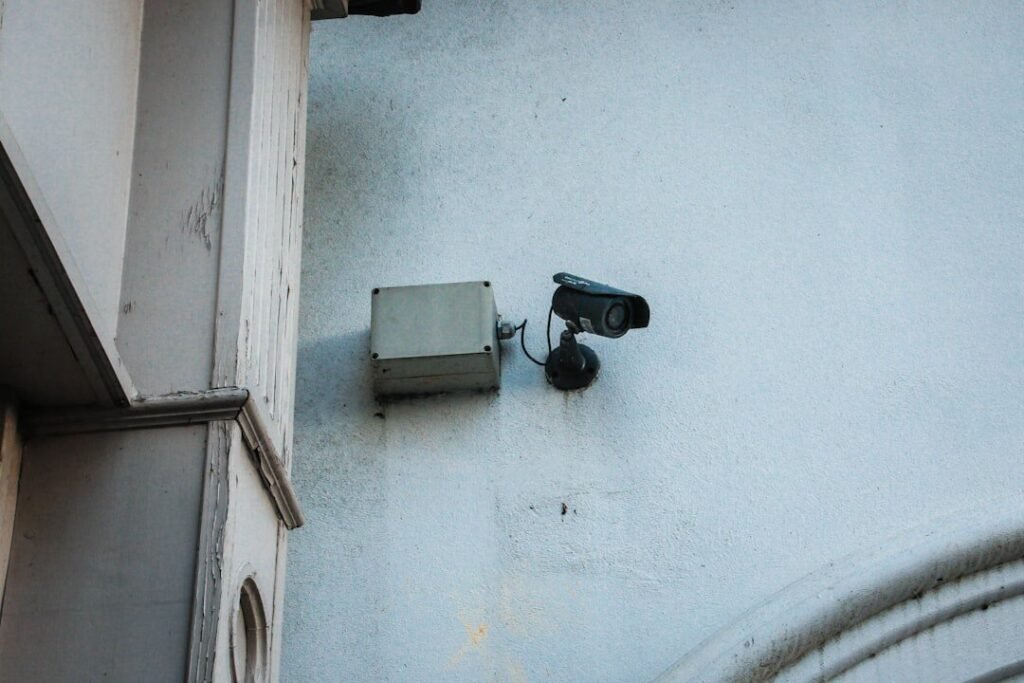
Surveillance systems play a crucial role in enhancing security by providing real-time monitoring and recording of activities within and around a facility. The presence of cameras can act as a deterrent to potential criminals, as they are less likely to engage in illicit activities when they know they are being watched. Modern surveillance systems have evolved significantly, with advancements in technology allowing for high-definition video capture, night vision capabilities, and remote monitoring via mobile devices.
This means that security personnel can keep an eye on operations from virtually anywhere, ensuring a rapid response to any suspicious activity. Furthermore, integrating surveillance systems with other security measures can create a more comprehensive approach. For example, linking cameras with access control systems allows for real-time alerts when unauthorized access is attempted.
This integration not only enhances situational awareness but also provides valuable evidence in the event of an incident. Organizations can analyze footage to identify patterns or recurring issues, enabling them to address vulnerabilities proactively and improve overall security protocols.
Enhancing Physical Security
| Metric | Description | Target Value | Current Value | Improvement Actions |
|---|---|---|---|---|
| Access Control Compliance | Percentage of entry points secured with access control systems | 100% | 85% | Install additional card readers and biometric scanners |
| Surveillance Coverage | Percentage of critical areas monitored by CCTV cameras | 95% | 78% | Expand camera network and upgrade to high-definition cameras |
| Incident Response Time | Average time to respond to physical security incidents (minutes) | 5 | 12 | Implement rapid alert systems and increase security personnel training |
| Security Personnel Training | Percentage of security staff completing annual training | 100% | 90% | Schedule mandatory training sessions and refresher courses |
| Security Breach Frequency | Number of physical security breaches per quarter | 0 | 3 | Conduct vulnerability assessments and enhance perimeter security |
Physical security is a critical component of any security strategy, encompassing measures designed to protect buildings, assets, and personnel from physical threats. This includes everything from securing entry points with locks and barriers to employing security personnel for on-site monitoring. One effective method for enhancing physical security is the use of perimeter defenses such as fences, gates, and bollards.
These barriers serve as the first line of defense against unauthorized access and can deter potential intruders before they reach the facility. In addition to physical barriers, organizations should also consider environmental design principles that promote safety. For instance, ensuring adequate lighting in parking lots and around building entrances can reduce the likelihood of criminal activity occurring in dark areas.
Landscaping should be designed to eliminate hiding spots for potential intruders while still maintaining an aesthetically pleasing environment. By combining physical barriers with thoughtful design elements, organizations can create a secure atmosphere that prioritizes safety without compromising functionality.
Implementing Cybersecurity Measures
As businesses increasingly rely on digital technologies, cybersecurity has become an essential aspect of overall security strategy. Cybersecurity measures protect sensitive information from unauthorized access and cyberattacks that can lead to data breaches or system failures. Organizations must implement a multi-layered approach to cybersecurity that includes firewalls, intrusion detection systems, and antivirus software.
These tools work together to create a robust defense against various cyber threats. Moreover, regular software updates and patch management are critical components of an effective cybersecurity strategy. Cybercriminals often exploit vulnerabilities in outdated software to gain unauthorized access to systems.
By ensuring that all software is up-to-date and that patches are applied promptly, organizations can significantly reduce their risk exposure. Additionally, employing encryption techniques for sensitive data adds another layer of protection, making it more difficult for unauthorized users to decipher information even if they manage to gain access.
Conducting Regular Security Audits

Regular security audits are vital for assessing the effectiveness of existing security measures and identifying potential vulnerabilities within an organization’s infrastructure. These audits involve a comprehensive review of both physical and digital security protocols, allowing organizations to pinpoint areas that require improvement or updating. By conducting these assessments periodically—ideally at least once a year—organizations can stay ahead of emerging threats and ensure compliance with industry regulations.
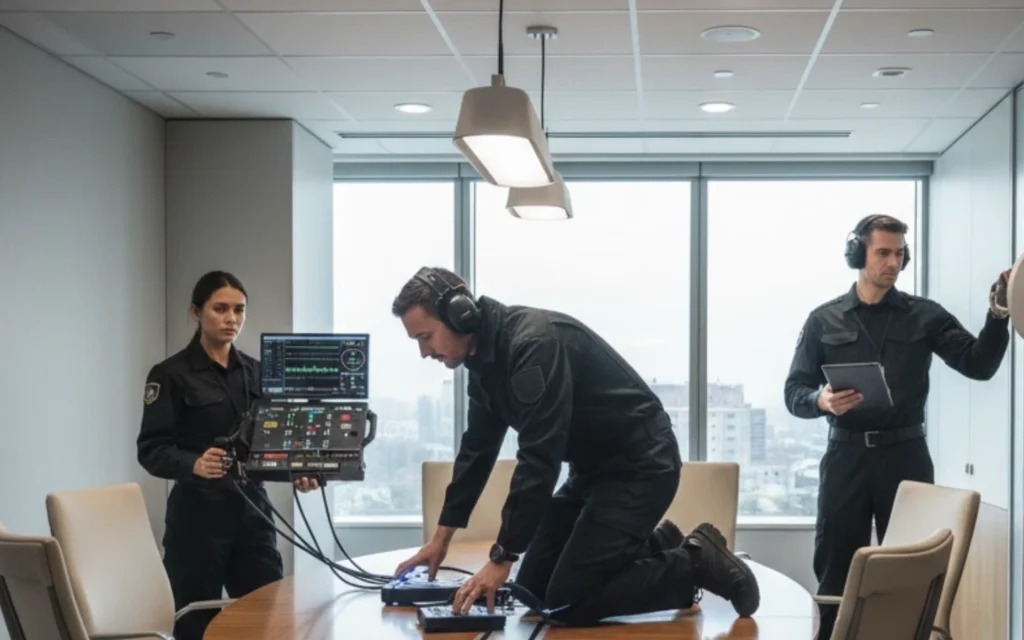
During a security audit, organizations should evaluate their access control measures, surveillance systems, cybersecurity protocols, and employee training programs. Engaging third-party security experts can provide an objective perspective on vulnerabilities that internal teams may overlook. The findings from these audits should be documented thoroughly, with actionable recommendations provided for addressing identified weaknesses.
By taking a proactive approach to security audits, organizations can foster a culture of continuous improvement and resilience against potential threats.
Training Employees on Security Protocols
Employees play a crucial role in maintaining an organization’s security posture; therefore, comprehensive training on security protocols is essential. Security awareness training should cover various topics such as recognizing phishing attempts, understanding social engineering tactics, and adhering to access control policies. By equipping employees with the knowledge they need to identify potential threats, organizations can significantly reduce the likelihood of human error leading to security breaches.
Moreover, ongoing training is just as important as initial onboarding sessions. As new threats emerge and technologies evolve, employees must stay informed about the latest security practices and protocols. Regular refresher courses or workshops can help reinforce key concepts and ensure that employees remain vigilant in their roles as the first line of defense against security threats.
Encouraging a culture of open communication regarding security concerns can also empower employees to report suspicious activities without fear of reprisal.
Securing Data and Information
Data security is paramount in today’s digital landscape where information is often considered one of an organization’s most valuable assets. Protecting sensitive data involves implementing various strategies such as data encryption, secure backups, and strict access controls. Encryption transforms data into unreadable formats for unauthorized users while allowing authorized personnel to decrypt it easily when needed.
Additionally, organizations should establish clear data retention policies that dictate how long different types of data should be stored and when it should be securely deleted. Regularly reviewing these policies helps ensure compliance with legal regulations such as GDPR or HIPAA while minimizing the risk associated with retaining unnecessary data.
By prioritizing data security through comprehensive strategies and policies, organizations can safeguard their information against theft or loss while maintaining compliance with industry standards.
Developing Emergency Response Plans
An effective emergency response plan is essential for any organization looking to mitigate risks associated with potential crises such as natural disasters or security incidents. These plans outline specific procedures for responding to various emergencies while ensuring the safety of employees and minimizing disruption to operations. Key components of an emergency response plan include evacuation procedures, communication protocols, and designated roles for team members during a crisis.
Regular drills and simulations are crucial for ensuring that employees are familiar with emergency procedures and can respond effectively under pressure. These exercises not only help identify gaps in the response plan but also foster teamwork and collaboration among staff members during high-stress situations. By developing comprehensive emergency response plans and conducting regular training sessions, organizations can enhance their resilience against unforeseen events while prioritizing employee safety.
Collaborating with Law Enforcement
Collaboration with local law enforcement agencies is an invaluable aspect of any comprehensive security strategy. Establishing relationships with law enforcement not only enhances communication during emergencies but also provides organizations with access to resources and expertise that can bolster their security efforts. Regular meetings or briefings with local police can help organizations stay informed about crime trends in their area while allowing them to share information about any incidents or concerns they may have.
Additionally, involving law enforcement in training exercises or drills can provide valuable insights into best practices for responding to various scenarios. This collaboration fosters a sense of community responsibility for safety while ensuring that both organizations and law enforcement are prepared to work together effectively during emergencies or incidents requiring police intervention.
Staying Updated on Security Trends and Technologies
The field of security is constantly evolving due to advancements in technology and changes in threat landscapes; therefore, staying updated on current trends is essential for organizations looking to maintain effective security measures. Engaging in continuous education through industry conferences, webinars, or professional associations allows security professionals to learn about emerging technologies such as artificial intelligence (AI) in surveillance systems or blockchain for data protection. Moreover, subscribing to industry publications or following thought leaders on social media platforms can provide valuable insights into new threats or innovative solutions being implemented across various sectors.
By remaining informed about the latest developments in security trends and technologies, organizations can adapt their strategies accordingly—ensuring they remain one step ahead of potential threats while fostering a culture of proactive risk management within their operations.
When considering security measures, it’s essential to understand the various aspects of personal safety and privacy. A related article that delves into the importance of these measures is available at FAQs on Security Measures. This resource provides valuable insights into common questions and concerns regarding security protocols, helping individuals make informed decisions to protect themselves and their loved ones.
FAQs
What are security measures?
Security measures are actions, devices, procedures, or protocols implemented to protect people, property, information, and systems from harm, unauthorized access, theft, or damage.
Why are security measures important?
Security measures are important because they help prevent security breaches, protect sensitive data, ensure safety, maintain privacy, and reduce the risk of financial loss or reputational damage.
What types of security measures exist?
Security measures can be physical (e.g., locks, surveillance cameras), technical (e.g., firewalls, encryption), administrative (e.g., policies, training), or procedural (e.g., access controls, incident response plans).
How do physical security measures work?
Physical security measures work by restricting access to facilities or assets through barriers, surveillance, security personnel, and environmental design to deter or detect unauthorized entry.
What role does technology play in security measures?
Technology enhances security by providing tools such as biometric authentication, intrusion detection systems, encryption, and cybersecurity software to protect digital and physical assets.
How often should security measures be reviewed?
Security measures should be regularly reviewed and updated, typically at least annually or whenever there are significant changes in the environment, technology, or threat landscape.
Can security measures prevent all security threats?
While security measures significantly reduce risks, no system is completely foolproof. Continuous monitoring and improvement are necessary to address evolving threats.
What is the difference between proactive and reactive security measures?
Proactive security measures aim to prevent incidents before they occur, such as risk assessments and employee training, while reactive measures respond to incidents after they happen, like incident response and recovery.
Who is responsible for implementing security measures?
Responsibility varies by context but generally includes organizational leadership, security professionals, IT staff, and all employees who must follow established security policies and procedures.
How do security measures impact privacy?
Security measures must balance protection with privacy rights, ensuring that data collection and monitoring comply with legal standards and respect individual privacy.