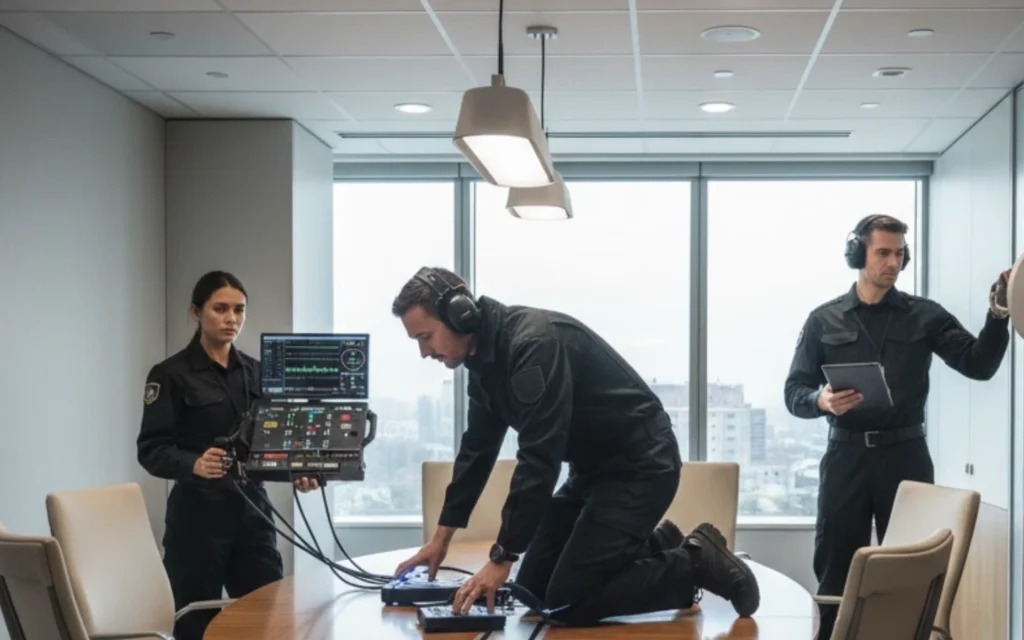
Surveillance detection is a critical component in the realm of security and personal safety, particularly for individuals or organizations that may be at risk of being monitored or targeted. The ability to recognize when one is under surveillance can mean the difference between safety and vulnerability. In an age where information is power, understanding the nuances of surveillance detection is paramount.
It not only protects sensitive information but also ensures the physical safety of individuals who may be at risk due to their profession, lifestyle, or affiliations. For instance, journalists covering sensitive topics or activists advocating for social change often find themselves in situations where they must be vigilant about their surroundings. Moreover, the implications of failing to detect surveillance can extend beyond personal safety.
In corporate environments, undetected surveillance can lead to intellectual property theft, corporate espionage, and significant financial losses. Organizations that operate in competitive industries must be particularly aware of the tactics employed by competitors or malicious entities seeking to gain an advantage. Thus, the importance of surveillance detection transcends individual safety and enters the realm of organizational integrity and operational security.
Key Takeaways
- Surveillance detection is crucial for personal and organizational security by identifying and mitigating threats early.
- Understanding common tactics and behavioral indicators helps in recognizing potential surveillance activities.
- Technology plays a significant role in enhancing surveillance detection capabilities.
- Effective surveillance detection requires comprehensive planning, training, and collaboration among stakeholders.
- Legal and ethical considerations must guide surveillance detection practices to ensure compliance and respect for privacy.
The Fundamentals of Surveillance Detection
At its core, surveillance detection involves recognizing the signs that one is being observed or followed. This process requires a keen awareness of one’s environment and an understanding of the various methods employed by those conducting surveillance. The fundamentals of surveillance detection hinge on situational awareness, which is the ability to perceive and comprehend what is happening around you.
This includes not only visual cues but also auditory signals and even the emotional atmosphere of a location. Individuals trained in surveillance detection often develop a heightened sense of awareness that allows them to identify anomalies in their environment. Additionally, understanding the types of surveillance—whether physical, electronic, or a combination of both—is essential for effective detection.
Physical surveillance may involve individuals following someone on foot or in vehicles, while electronic surveillance could include the use of cameras, drones, or tracking devices. Each type has its own set of indicators that can alert a person to its presence. For example, noticing a vehicle that seems to be following you for an extended period can be a clear sign of physical surveillance.
Conversely, unusual fluctuations in your digital communications may suggest electronic monitoring. Mastering these fundamentals equips individuals with the tools necessary to recognize and respond to potential threats.
Identifying Common Surveillance Tactics
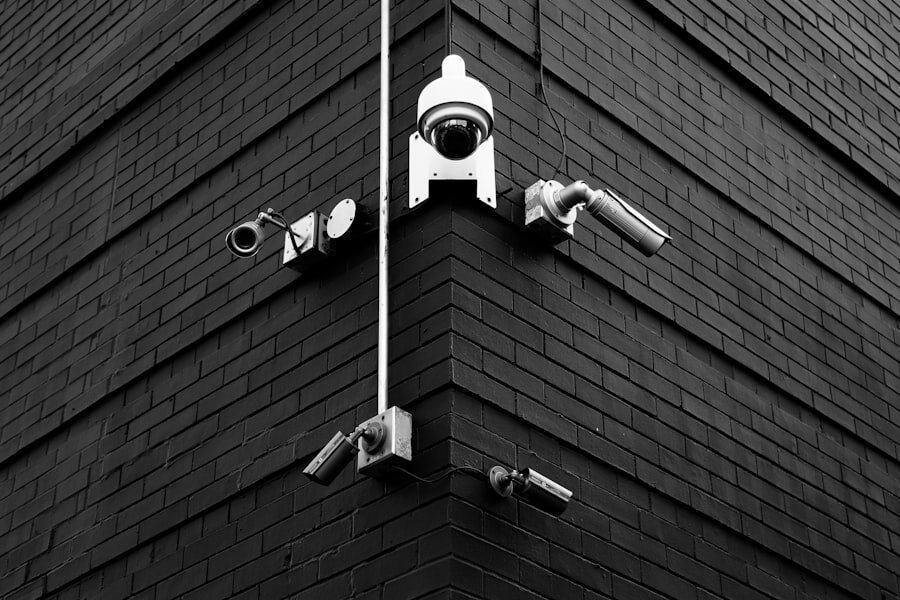
Surveillance tactics can vary widely depending on the objectives of the surveillant and the context in which they operate. One common tactic is the use of “tailgating,” where an individual follows another person closely enough to remain undetected while observing their movements.
Another prevalent tactic is the use of “pretexting,” where the surveillant assumes a false identity or scenario to gain information or access to a target without raising suspicion. In addition to these methods, technology has introduced new tactics that are increasingly sophisticated. For instance, drones equipped with cameras can conduct aerial surveillance without being easily detected from the ground.
Similarly, GPS tracking devices can be discreetly attached to vehicles or personal belongings, allowing for continuous monitoring without the need for physical presence. Understanding these tactics is crucial for anyone concerned about their privacy and security, as it enables them to recognize when they might be under observation and take appropriate countermeasures.
The Role of Technology in Surveillance Detection
| Technology | Application in Surveillance Detection | Key Metrics | Benefits | Challenges |
|---|---|---|---|---|
| CCTV Cameras | Continuous monitoring of public and private spaces | Resolution: Up to 4K Frame Rate: 30 fps Coverage Area: 360° with PTZ |
Real-time visual data Deterrence of suspicious activities |
Privacy concerns High storage requirements |
| Facial Recognition Software | Identifying individuals in crowds or restricted areas | Accuracy: 85-99% Processing Speed: <1 second per face |
Quick identification Automated alerts |
False positives/negatives Ethical and legal issues |
| AI and Machine Learning | Analyzing patterns and detecting anomalies | Detection Accuracy: 90%+ Response Time: Real-time |
Predictive analytics Reduced human error |
Algorithm bias Need for large datasets |
| Drones | Mobile surveillance in hard-to-reach areas | Flight Time: 20-60 minutes Range: Up to 10 km |
Flexible monitoring Rapid deployment |
Regulatory restrictions Limited battery life |
| RFID and GPS Tracking | Tracking movement of assets and individuals | Location Accuracy: 1-5 meters Update Frequency: Seconds to minutes |
Real-time location data Improved asset management |
Signal interference Privacy concerns |
Technology plays a dual role in surveillance detection; it can both facilitate surveillance and aid in its detection. On one hand, advancements in technology have made it easier for individuals and organizations to conduct surveillance through tools such as high-resolution cameras, drones, and sophisticated software for data analysis. These technologies allow for more effective monitoring over larger areas and longer periods, making it increasingly challenging for targets to remain undetected.
Conversely, technology also provides powerful tools for detecting surveillance activities. For example, there are applications designed to detect hidden cameras or listening devices by analyzing radio frequencies or identifying unusual patterns in network traffic. Additionally, personal security devices such as GPS trackers can help individuals monitor their own movements and alert them if they are being followed.
The integration of technology into surveillance detection strategies enhances an individual’s ability to protect themselves from unwanted observation and intrusion.
Behavioral Indicators of Potential Surveillance
Recognizing behavioral indicators is a vital aspect of surveillance detection. Certain actions or patterns exhibited by individuals in one’s vicinity can signal that they are engaged in surveillance activities. For instance, someone who appears overly interested in your movements—frequently glancing in your direction or changing their path to maintain proximity—may be conducting surveillance.
Similarly, individuals who seem out of place in a particular environment or who exhibit nervous behavior may also warrant further scrutiny. Another behavioral indicator is the presence of multiple individuals working in concert. If you notice a group of people who seem to be communicating non-verbally while maintaining a consistent distance from you, this could suggest coordinated surveillance efforts.
Additionally, changes in routine or unexpected encounters with unfamiliar faces can also serve as red flags. By being attuned to these behavioral cues, individuals can enhance their situational awareness and take proactive measures to mitigate potential threats.
Implementing a Surveillance Detection Plan
Creating a comprehensive surveillance detection plan involves several key steps that are tailored to an individual’s specific circumstances and risks. The first step is conducting a thorough risk assessment to identify potential threats and vulnerabilities. This assessment should consider factors such as location, lifestyle, and any known adversaries or competitors that may pose a risk.
Once potential threats are identified, individuals can develop strategies to counteract them effectively. The next step involves establishing protocols for monitoring one’s environment regularly. This could include routine checks of one’s surroundings when entering or exiting buildings, as well as varying travel routes to avoid predictability.
Additionally, individuals should consider employing counter-surveillance techniques such as using decoys or engaging in behaviors designed to confuse potential surveillants. Regularly reviewing and updating the surveillance detection plan is also essential to adapt to changing circumstances and emerging threats.
Training and Education for Surveillance Detection
Training and education are fundamental components of effective surveillance detection strategies. Individuals who are at higher risk should seek specialized training programs that focus on situational awareness and counter-surveillance techniques. These programs often include practical exercises that simulate real-world scenarios, allowing participants to practice identifying potential threats and responding appropriately.
Moreover, ongoing education about emerging technologies and tactics used in surveillance is crucial for staying ahead of potential threats. Workshops, seminars, and online courses can provide valuable insights into new developments in both surveillance methods and detection technologies. By investing time in training and education, individuals can significantly enhance their ability to detect surveillance activities and protect themselves from potential harm.
Collaboration and Communication in Surveillance Detection
Collaboration among individuals who share similar concerns about surveillance can amplify efforts toward effective detection and response strategies. Establishing networks with like-minded individuals—such as activists, journalists, or corporate security professionals—can facilitate information sharing about potential threats and effective countermeasures. These networks can serve as support systems where members can discuss experiences and strategies for enhancing personal security.
Effective communication is also vital within organizations that prioritize security. Employees should be encouraged to report suspicious activities without fear of reprisal, fostering an environment where vigilance is valued. Regular briefings on potential threats and updates on security protocols can help ensure that everyone remains informed and prepared to act if necessary.
Adapting to Different Environments for Surveillance Detection
The effectiveness of surveillance detection strategies often depends on the environment in which they are implemented. Urban settings may present unique challenges due to high population density and numerous distractions that can obscure potential threats. In contrast, rural areas may offer fewer opportunities for concealment but could present different risks related to isolation or limited access to resources.
Adapting detection strategies to fit specific environments requires an understanding of local dynamics and potential vulnerabilities unique to those settings. For instance, individuals in urban areas might benefit from utilizing public transportation routes that are less predictable or employing urban camouflage techniques to blend into crowds effectively. Conversely, those in rural areas may need to focus on securing their property against intrusions while remaining vigilant during travel between locations.
Legal and Ethical Considerations in Surveillance Detection
Navigating the legal landscape surrounding surveillance detection is essential for ensuring compliance with laws while protecting personal rights. Different jurisdictions have varying regulations regarding privacy rights and acceptable surveillance practices. Understanding these laws helps individuals avoid crossing legal boundaries while implementing their detection strategies.
Ethical considerations also play a significant role in how surveillance detection is approached. While it is crucial to protect oneself from unwanted observation, it is equally important to respect the privacy rights of others. Striking a balance between vigilance and ethical conduct ensures that individuals do not inadvertently infringe upon the rights of those around them while pursuing their own safety.
Continuous Improvement and Evaluation in Surveillance Detection
The landscape of surveillance is constantly evolving due to advancements in technology and changes in societal behaviors.
Regularly assessing the effectiveness of existing protocols allows individuals and organizations to identify areas for enhancement.
Feedback mechanisms should be established to gather insights from those involved in implementing these strategies. This could include debriefing sessions after incidents where potential surveillance was detected or conducting surveys among employees regarding their perceptions of security measures in place. By fostering a culture of continuous improvement, individuals can adapt their approaches to remain vigilant against emerging threats while ensuring their methods remain relevant and effective.
Surveillance detection is a crucial aspect of personal and corporate security, ensuring that individuals and organizations can operate without the fear of being monitored or followed. For those interested in learning more about the various services offered to enhance security measures, you can explore the details in this related article on the services provided by Metro Detective Agency. Check it out here: Metro Detective Agency Services.
FAQs
What is surveillance detection?
Surveillance detection is the process of identifying and monitoring individuals or groups who are conducting surveillance activities, often to prevent or respond to potential threats or unauthorized monitoring.
Why is surveillance detection important?
Surveillance detection is important for security purposes, as it helps organizations and individuals identify potential threats, protect sensitive information, and maintain privacy by detecting unauthorized observation or tracking.
What methods are used in surveillance detection?
Common methods include physical observation, use of technology such as cameras and sensors, behavioral analysis, counter-surveillance techniques, and employing trained personnel to identify suspicious activities.
Who typically uses surveillance detection techniques?
Surveillance detection is used by law enforcement agencies, security professionals, corporate security teams, intelligence agencies, and sometimes private individuals concerned about their privacy and safety.
Can surveillance detection prevent crimes?
While it cannot guarantee prevention, effective surveillance detection can deter criminal activities, enable early warning of potential threats, and assist in timely intervention to reduce risks.
Is surveillance detection legal?
Surveillance detection itself is generally legal when conducted within the boundaries of the law. However, the legality depends on jurisdiction and the methods used, especially regarding privacy rights and consent.
What are common signs of being under surveillance?
Signs may include repeated sightings of the same individuals or vehicles, unusual electronic interference, unexpected technical issues with devices, or noticing patterns of behavior that suggest monitoring.
How can individuals protect themselves from unwanted surveillance?
Individuals can use counter-surveillance techniques such as varying routines, using privacy-enhancing technologies, conducting regular security checks, and seeking professional advice if they suspect surveillance.
What role does technology play in surveillance detection?
Technology aids surveillance detection through tools like CCTV, GPS tracking, signal detectors, and software that analyzes patterns or anomalies, enhancing the ability to identify and respond to surveillance activities.
Are there ethical considerations in surveillance detection?
Yes, ethical considerations include respecting privacy rights, avoiding harassment or false accusations, and ensuring that surveillance detection activities comply with legal standards and ethical guidelines.