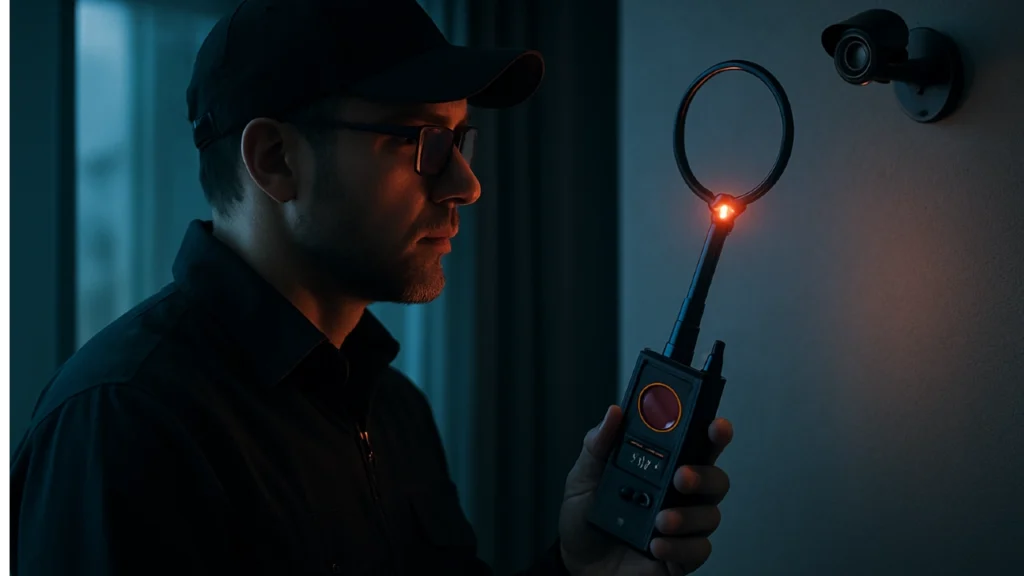
In an age where information is a currency, the significance of privacy protection cannot be overstated. With the rapid advancement of technology, personal and sensitive data is more vulnerable than ever. Individuals and organizations alike face threats from various sources, including cybercriminals, corporate espionage, and even government surveillance.
The implications of compromised privacy can be severe, ranging from identity theft to unauthorized access to confidential business information. As such, safeguarding one’s privacy has become a paramount concern for many, necessitating the use of advanced tools and strategies to mitigate risks. Moreover, the psychological impact of privacy invasion can be profound.
When individuals feel that their personal space is being intruded upon, it can lead to anxiety, stress, and a sense of vulnerability. This emotional toll underscores the need for effective privacy protection measures. Bug sweeping devices, designed to detect and neutralize surveillance threats, play a crucial role in this landscape.
By ensuring that one’s environment is free from eavesdropping devices, individuals can reclaim their sense of security and control over their personal information.
Key Takeaways
- Bug sweeping devices are essential tools for detecting hidden surveillance and protecting personal privacy.
- Various types of bug sweepers exist, each suited for different environments and detection needs.
- Legal considerations must be understood before using bug sweeping devices to ensure compliance with laws.
- Recognizing signs of potential surveillance can help determine when to deploy bug sweeping devices.
- Proper selection, usage, and follow-up actions are crucial for effective privacy protection and avoiding common mistakes.
How Bug Sweeping Devices Work
Bug sweeping devices operate on the principle of detecting unauthorized surveillance equipment that may be hidden in a given environment. These devices utilize various technologies to identify signals emitted by bugs, cameras, and other listening devices. Most commonly, they scan for radio frequencies (RF) that are characteristic of wireless surveillance equipment.
When a bug is active, it transmits signals that can be picked up by these specialized devices, alerting the user to its presence. In addition to RF detection, many bug sweeping devices are equipped with advanced features such as infrared scanning and lens detection. Infrared scanning allows users to identify hidden cameras that may not emit radio frequencies but instead rely on light to capture images.
Lens detection technology can spot reflective surfaces that indicate the presence of a camera lens, even if the camera itself is well-concealed. By employing a combination of these techniques, bug sweeping devices provide a comprehensive approach to identifying potential surveillance threats. For more information about our coverage, please Check our services area.
Different Types of Bug Sweeping Devices

The market offers a diverse array of bug sweeping devices, each tailored to specific needs and environments. One common type is the handheld RF detector, which is portable and user-friendly. These devices are ideal for personal use, allowing individuals to quickly scan their surroundings for any suspicious signals.
Handheld detectors typically feature adjustable sensitivity settings, enabling users to fine-tune their searches based on the level of potential interference in the area. Another category includes professional-grade bug sweeping equipment used by security experts and private investigators. These devices often come with advanced features such as spectrum analyzers and digital signal processing capabilities.
Spectrum analyzers provide a visual representation of the frequency spectrum, allowing users to identify and differentiate between various signals more effectively. Such professional tools are essential for thorough sweeps in high-stakes environments like corporate offices or sensitive government facilities.
Where Bug Sweeping Devices Can Be Used
Bug sweeping devices can be employed in a variety of settings where privacy is paramount. One of the most common applications is in corporate environments, where sensitive information is often at risk of being compromised by competitors or malicious actors. Executives may use bug sweeping devices during meetings or in their offices to ensure that confidential discussions remain private.
This practice not only protects intellectual property but also fosters a culture of trust among employees. Residential settings also benefit from bug sweeping technology. Homeowners may feel vulnerable to eavesdropping, especially in an era where smart home devices are prevalent.
Bug sweeping devices can help individuals ensure that their private conversations are not being intercepted by unauthorized parties. Additionally, high-profile individuals such as celebrities or public figures often employ these devices to safeguard their personal lives from intrusive media scrutiny or stalkers.
Legal Considerations for Using Bug Sweeping Devices
| Device Name | Type | Detection Range | Frequency Range | Battery Life | Weight | Price Range |
|---|---|---|---|---|---|---|
| SpyFinder Pro | RF Detector | Up to 10 meters | 1 MHz – 6 GHz | Up to 8 hours | 150 grams | 100 – 200 |
| KJB DD1206 | Wideband RF Detector | Up to 15 meters | 1 MHz – 8 GHz | Up to 6 hours | 200 grams | 300 – 400 |
| REI RF Detector | Multi-Function Detector | Up to 12 meters | 1 MHz – 6 GHz | Up to 10 hours | 180 grams | 250 – 350 |
| BugHunter Pro | RF and Infrared Detector | Up to 8 meters | 1 MHz – 5 GHz | Up to 7 hours | 170 grams | 150 – 250 |
| JMDHKK Anti Spy Detector | RF Detector | Up to 10 meters | 1 MHz – 6 GHz | Up to 5 hours | 160 grams | 80 – 150 |
While the use of bug sweeping devices is generally legal in many jurisdictions, there are important legal considerations that users must keep in mind. The legality often hinges on the context in which these devices are employed. For instance, using a bug sweeping device in one’s own home or office is typically permissible; however, using such devices in public spaces or private properties without consent may lead to legal repercussions.
Furthermore, laws regarding surveillance and privacy vary significantly across different regions and countries. In some places, there are strict regulations governing the use of surveillance equipment, including bug sweeping devices. Users must familiarize themselves with local laws to avoid potential violations that could result in fines or criminal charges.
Consulting with legal professionals who specialize in privacy law can provide valuable guidance on navigating these complexities.
Signs That You May Need a Bug Sweeping Device
Recognizing the signs that you may need a bug sweeping device is crucial for maintaining your privacy. One common indicator is an unexplained feeling of being watched or listened to. If you notice unusual behavior from acquaintances or colleagues who seem overly interested in your personal affairs, it may warrant further investigation.
Additionally, if you experience unexplained technical issues with your electronic devices—such as sudden battery drain or unexpected malfunctions—these could be signs of tampering or surveillance. Another red flag is the discovery of unfamiliar electronic devices in your home or workplace. If you find items that do not belong to you or seem out of place, it could indicate that someone is attempting to monitor your activities.
Unusual noises during phone calls or conversations—such as static or echoes—can also suggest that your communications are being intercepted.
How to Choose the Right Bug Sweeping Device for Your Needs
Selecting the appropriate bug sweeping device requires careful consideration of several factors tailored to your specific needs. First and foremost, assess the environment in which you plan to use the device. For personal use in smaller spaces like homes or cars, a handheld RF detector may suffice.
These compact devices are easy to operate and can quickly identify potential threats without requiring extensive technical knowledge. For more complex environments such as corporate offices or high-security areas, investing in professional-grade equipment may be necessary. Look for devices that offer advanced features like spectrum analysis and multi-frequency detection capabilities.
Additionally, consider the device’s range and sensitivity settings; a higher sensitivity may be required in areas with significant electronic interference. Reading reviews and seeking recommendations from security professionals can also guide you toward making an informed choice.
Tips for Using Bug Sweeping Devices Effectively
To maximize the effectiveness of bug sweeping devices, users should follow specific best practices during their sweeps. First, it’s essential to conduct sweeps regularly rather than only when suspicions arise. Establishing a routine can help detect potential threats before they escalate into serious privacy breaches.
Additionally, performing sweeps at different times of day can yield varying results due to changes in electronic activity within the environment. When using a handheld RF detector, it’s advisable to move slowly and methodically throughout the area being scanned. Rapid movements can lead to missed signals or false positives due to interference from other electronic devices.
Users should also familiarize themselves with the device’s features and settings before conducting a sweep; understanding how to adjust sensitivity levels can significantly enhance detection capabilities.
Common Mistakes to Avoid When Using Bug Sweeping Devices
While bug sweeping devices are powerful tools for protecting privacy, users often make mistakes that can hinder their effectiveness. One common error is failing to read the user manual thoroughly before operation. Each device has unique features and settings that require proper understanding for optimal use; neglecting this step can lead to ineffective sweeps or misinterpretation of results.
Another mistake is overlooking environmental factors that may affect detection accuracy. For instance, conducting sweeps in areas with high levels of electronic interference—such as near Wi-Fi routers or cell towers—can produce false positives or obscure genuine signals from bugs. Users should aim to conduct sweeps in quieter environments whenever possible and consider turning off unnecessary electronic devices during the process.
What to Do If You Find a Bug
Discovering a bug during a sweep can be alarming and requires immediate action to mitigate potential risks. The first step is to remain calm and avoid panicking; understanding how to respond effectively is crucial for maintaining control over the situation. If you find a bug in your home or office, document its location and any identifying features before removing it.
Taking photographs can provide evidence if further action is necessary. After locating a bug, consider contacting law enforcement or a professional security service for assistance, especially if you suspect malicious intent behind the surveillance attempt. They can help assess the situation and provide guidance on how to proceed safely and legally.
Additionally, it may be wise to change passwords for any electronic accounts and review security measures within your environment to prevent future breaches.
Additional Steps for Protecting Your Privacy
Beyond utilizing bug sweeping devices, there are several proactive measures individuals can take to enhance their privacy protection efforts further. One effective strategy is implementing strong cybersecurity practices across all digital platforms. This includes using complex passwords, enabling two-factor authentication where available, and regularly updating software on all devices to protect against vulnerabilities.
Physical security measures also play a vital role in safeguarding privacy. Installing security cameras around your property can deter potential intruders while providing evidence if an incident occurs.
By combining technological solutions like bug sweeping devices with robust physical security measures and cybersecurity practices, individuals can create a comprehensive approach to protecting their privacy in an increasingly interconnected world.
If you’re interested in the effectiveness of bug sweeping devices, you might find the article on claims investigations in Chelsea particularly insightful. It discusses various investigative techniques, including the use of advanced technology to uncover hidden surveillance devices. For more information, you can read the article here: Claims Investigations in Chelsea.
FAQs
What are bug sweeping devices?
Bug sweeping devices are electronic tools designed to detect and locate hidden surveillance equipment such as hidden cameras, microphones, GPS trackers, and other spying devices. They help identify unauthorized monitoring in homes, offices, or vehicles.
How do bug sweeping devices work?
Bug sweeping devices typically work by scanning for radio frequencies (RF) emitted by wireless bugs or by detecting the presence of electronic components through electromagnetic signals. Some devices use infrared or magnetic sensors to locate hidden cameras or microphones.
Are bug sweeping devices legal to use?
In most countries, it is legal to use bug sweeping devices on your own property to protect your privacy. However, laws vary by jurisdiction, so it is important to check local regulations before using these devices, especially in public or rented spaces.
Can bug sweeping devices detect all types of bugs?
No single bug sweeping device can detect all types of surveillance equipment. Some devices are specialized for RF detection, while others focus on wired bugs or optical lenses. For comprehensive sweeps, multiple types of detectors may be necessary.
How accurate are bug sweeping devices?
The accuracy of bug sweeping devices depends on their quality, sensitivity, and the environment in which they are used. High-end devices offer better detection capabilities, but even the best devices may miss well-hidden or shielded bugs.
Do bug sweeping devices require special training to use?
Basic bug sweeping devices are generally user-friendly and can be operated without specialized training. However, professional bug sweeping often requires expertise to interpret signals correctly and to conduct thorough inspections.
Can bug sweeping devices detect wired surveillance equipment?
Some advanced bug sweeping devices can detect wired surveillance equipment by identifying electromagnetic fields or physical components. However, many devices primarily detect wireless bugs, so wired devices may require manual inspection.
How often should I use a bug sweeping device?
The frequency of bug sweeping depends on your security needs. For high-risk environments, regular sweeps (monthly or quarterly) are recommended. For general privacy, occasional checks or when suspicion arises may be sufficient.
Are bug sweeping devices expensive?
Bug sweeping devices vary widely in price, from affordable consumer models to expensive professional-grade equipment. The cost depends on features, detection range, and sensitivity.
Can I buy bug sweeping devices online?
Yes, bug sweeping devices are widely available for purchase online through various retailers and specialty security stores. It is important to buy from reputable sources to ensure product quality and reliability.