In an increasingly interconnected world, the significance of privacy protection cannot be overstated. Individuals and organizations alike are becoming more aware of the potential threats to their personal and sensitive information. Privacy is not merely a personal preference; it is a fundamental right that underpins the freedom of expression and the ability to engage in open dialogue. When privacy is compromised, individuals may feel vulnerable, leading to a chilling effect on their willingness to communicate freely. This is particularly relevant in contexts where sensitive information is shared, such as in business negotiations or personal relationships.
Moreover, the erosion of privacy can have far-reaching consequences beyond individual discomfort.
It can lead to identity theft, financial loss, and reputational damage.
For businesses, a breach of privacy can result in loss of customer trust, legal repercussions, and significant financial penalties. As technology continues to evolve, the methods of protecting privacy must also adapt. This underscores the need for robust privacy protection measures that not only safeguard personal information but also promote a culture of respect for individual rights.
If you’re concerned about privacy and the potential for hidden surveillance, you might find it beneficial to explore professional bug sweeping services. These services specialize in detecting and removing unwanted listening devices and surveillance equipment from your environment. For more insights on related investigative services, you can check out this article on matrimonial infidelity investigations, which highlights the importance of privacy in personal matters. Learn more by visiting this link.
Key Takeaways
- Privacy protection is crucial to safeguard personal and business information from unauthorized electronic surveillance.
- Bug sweeping services detect and remove hidden surveillance devices to prevent privacy breaches.
- Knowing when and where to conduct bug sweeps helps identify potential security threats effectively.
- Choosing a reputable bug sweeping provider ensures thorough detection and legal compliance.
- Maintaining privacy requires ongoing vigilance and understanding of legal and technological aspects in the digital age.
Understanding Electronic Surveillance
Electronic surveillance refers to the monitoring of individuals or groups through various technological means. This can include the use of cameras, microphones, GPS tracking devices, and other forms of electronic monitoring. While surveillance can serve legitimate purposes, such as enhancing security or gathering intelligence, it also raises significant ethical and legal questions. The line between necessary oversight and invasive monitoring can often become blurred, leading to concerns about civil liberties and personal freedoms.
The proliferation of technology has made electronic surveillance more accessible than ever before. With the advent of smartphones and smart home devices, individuals are often unwittingly subject to surveillance in their daily lives. This reality necessitates a deeper understanding of how surveillance operates and the potential implications for privacy. Awareness of the tools and techniques used in electronic surveillance can empower individuals to take proactive steps in protecting their privacy.
Risks of Unauthorized Surveillance
Unauthorized surveillance poses numerous risks that can affect both individuals and organizations. One of the most immediate dangers is the potential for sensitive information to be accessed without consent. This can lead to identity theft, where personal data is used fraudulently, or corporate espionage, where trade secrets are stolen for competitive advantage. The psychological impact of knowing one is being watched can also lead to anxiety and stress, affecting mental well-being.
Additionally, unauthorized surveillance can have legal ramifications. Many jurisdictions have laws that protect individuals from invasive monitoring without their consent. Violating these laws can result in severe penalties for those who engage in unauthorized surveillance activities. For businesses, being implicated in such practices can lead to lawsuits, regulatory scrutiny, and damage to reputation. Therefore, understanding the risks associated with unauthorized surveillance is crucial for both personal safety and organizational integrity.
How Bug Sweeping Services Work

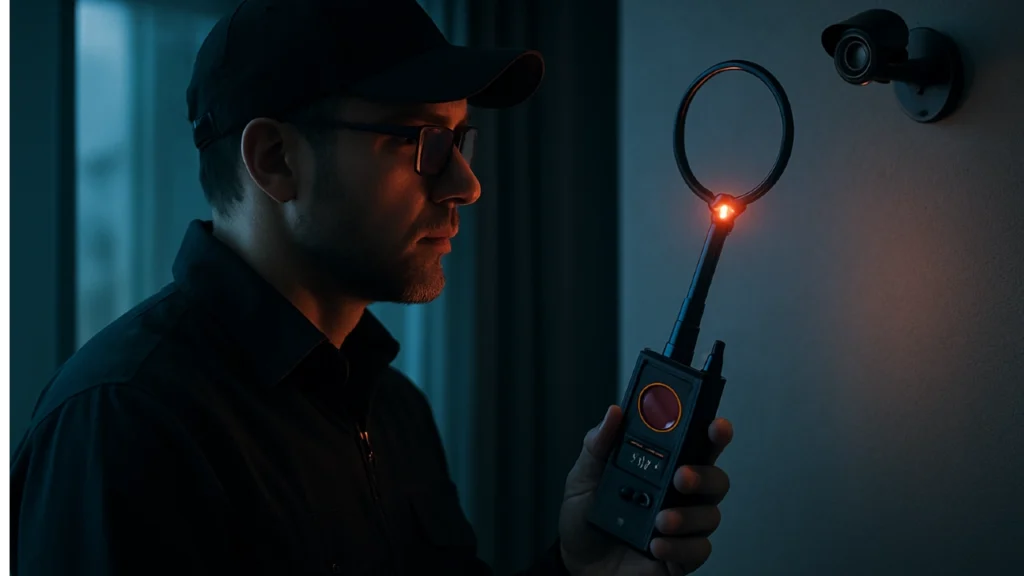
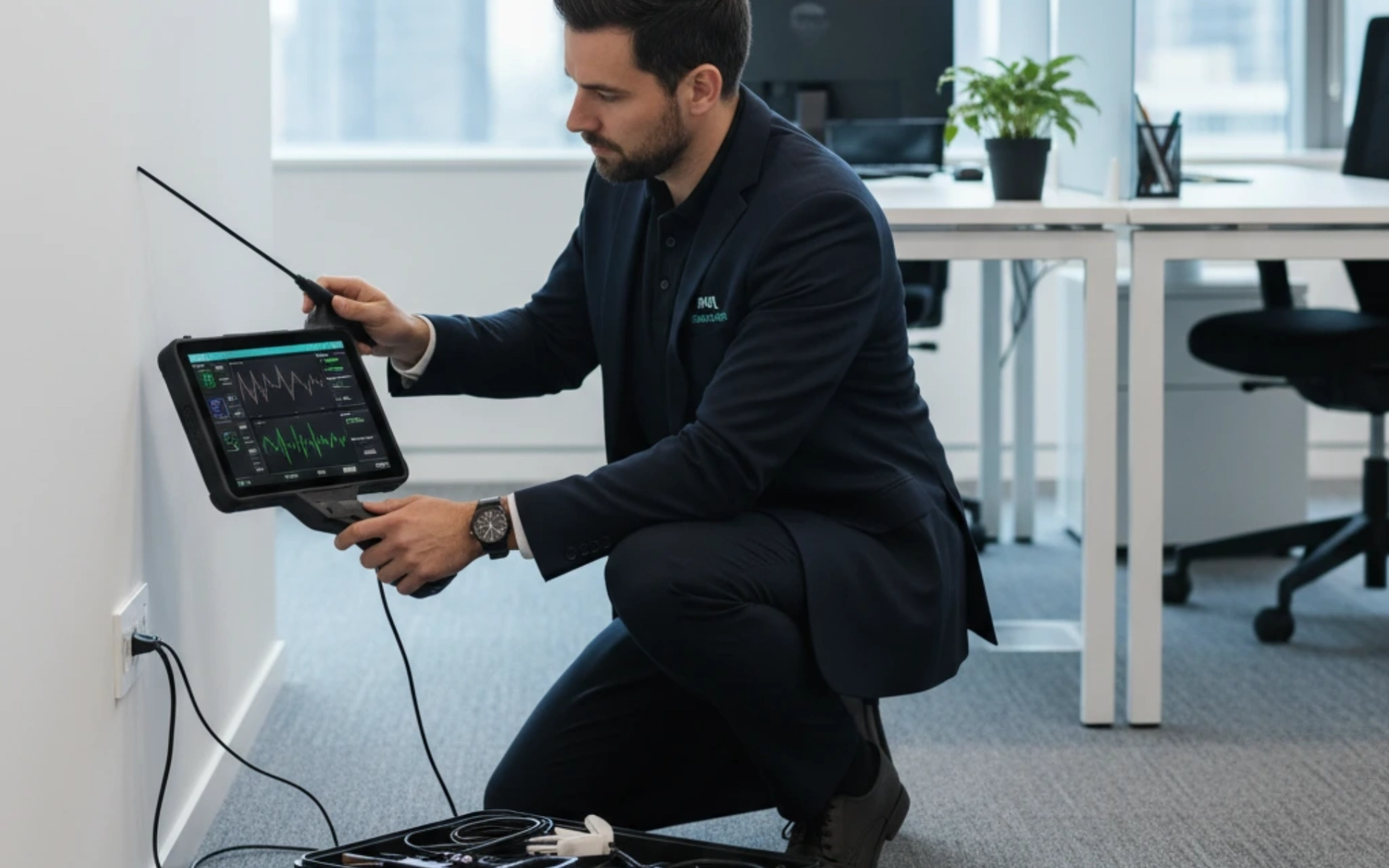
Bug sweeping services are specialized operations designed to detect and eliminate unauthorized surveillance devices, commonly referred to as “bugs.” These services employ a range of techniques and technologies to identify hidden cameras, microphones, and other monitoring equipment that may be infringing on an individual’s or organization’s privacy. The process typically begins with a thorough assessment of the premises in question, where trained professionals use specialized equipment to scan for electronic signals that may indicate the presence of surveillance devices.
Once potential threats are identified, bug sweeping services will conduct a physical inspection of the area to locate any hidden devices. This may involve checking common hiding spots such as electrical outlets, smoke detectors, and furniture. After identifying any bugs, the service will provide recommendations for removal and may offer ongoing monitoring solutions to ensure continued privacy protection. The effectiveness of bug sweeping services relies on both advanced technology and the expertise of trained professionals who understand the nuances of electronic surveillance.
If you’re considering hiring professional bug sweeping services to ensure your privacy, you might find it helpful to read a related article that discusses the importance of digital security in today’s world. This insightful piece highlights various methods used in digital cyber investigations and how they can protect you from unwanted surveillance. For more information, you can check out the article on digital cyber investigation [here](https://metrodetectiveagency.us/private-investigator/digital-cyber-investigation-in-livonia/).
When to Consider Hiring Bug Sweeping Services
Selecting an appropriate bug sweeping service provider is crucial for effective privacy protection. When evaluating potential providers, it is important to consider their experience and expertise in the field. A reputable service should have a proven track record of successfully identifying and eliminating surveillance devices. Additionally, certifications or affiliations with professional organizations can indicate a commitment to industry standards and best practices.
Cost is another factor to consider when choosing a bug sweeping service provider. While it may be tempting to opt for the least expensive option, it is essential to balance cost with quality and reliability. A thorough investigation may require advanced technology and skilled personnel, which can influence pricing. Reading reviews and seeking recommendations from trusted sources can also aid in making an informed decision about which provider to hire.
The Process of Bug Sweeping
The bug sweeping process typically involves several key steps designed to ensure thorough detection and removal of unauthorized surveillance devices. Initially, the service provider will conduct a comprehensive assessment of the area in question. This may include both electronic scanning using specialized equipment and a physical inspection of potential hiding spots for bugs.
Once any suspicious devices are identified, the next step involves documenting their location and type before proceeding with removal or neutralization. Depending on the nature of the devices found, this may involve disabling them or physically removing them from the premises. After the initial sweep is complete, many providers will offer follow-up services or recommendations for ongoing monitoring to help maintain privacy over time.
Common Places to Check for Bugs
When conducting a bug sweep, there are several common areas where surveillance devices are often hidden. These include everyday objects that may seem innocuous at first glance but can serve as effective hiding spots for bugs. For example, smoke detectors, alarm clocks, and even picture frames are frequently used as concealment for cameras or microphones.
Additionally, areas such as offices or conference rooms should be thoroughly inspected for any signs of tampering with electronic equipment or wiring. Electrical outlets and power strips are also common locations where bugs may be placed due to their accessibility and inconspicuous nature. By focusing on these typical hiding spots during a bug sweep, individuals can increase their chances of successfully identifying unauthorized surveillance devices.
Legal Implications of Electronic Surveillance
The legal landscape surrounding electronic surveillance varies significantly across jurisdictions but generally includes laws designed to protect individuals from unauthorized monitoring. Many countries have established regulations that require consent before recording conversations or monitoring individuals in private spaces. Violating these laws can result in criminal charges or civil lawsuits against those who engage in unauthorized surveillance activities.
Understanding these legal implications is essential for both individuals and organizations seeking to protect their privacy rights. In some cases, individuals may have grounds for legal action if they discover they have been subjected to unauthorized surveillance. Consulting with legal professionals who specialize in privacy law can provide valuable guidance on how to navigate these complex issues effectively.
Protecting Your Personal and Business Information
Protecting personal and business information requires a multifaceted approach that goes beyond bug sweeping services alone. Individuals should adopt best practices for digital security, such as using strong passwords, enabling two-factor authentication, and regularly updating software to guard against vulnerabilities. Additionally, being cautious about sharing sensitive information online or over unsecured channels can help mitigate risks associated with data breaches.
For businesses, implementing comprehensive data protection policies is essential for safeguarding sensitive information from unauthorized access or disclosure. This includes training employees on recognizing potential security threats and establishing protocols for reporting suspicious activity. By fostering a culture of security awareness within an organization, businesses can better protect themselves against both external threats and internal breaches.
Maintaining Privacy in the Digital Age
In today’s digital age, maintaining privacy requires ongoing vigilance and adaptation to new technologies and threats. As more aspects of daily life become digitized—ranging from social media interactions to online banking—individuals must remain aware of how their data is collected and used by various platforms. Regularly reviewing privacy settings on social media accounts and being selective about sharing personal information online are practical steps individuals can take to enhance their privacy.
Furthermore, utilizing encryption tools for communication and data storage can provide an additional layer of security against unauthorized access. As technology continues to evolve rapidly, staying informed about emerging threats and best practices for privacy protection will be essential for navigating the complexities of modern life while safeguarding personal information effectively.
FAQs
What are professional bug sweeping services?
Professional bug sweeping services involve the use of specialized equipment and techniques to detect and locate hidden surveillance devices such as bugs, wiretaps, and GPS trackers in homes, offices, or vehicles. These services help ensure privacy and security by identifying unauthorized monitoring devices.
Why should I hire a professional for bug sweeping?
Hiring a professional ensures thorough and accurate detection of surveillance devices. Professionals have the expertise, experience, and advanced tools necessary to identify even the most sophisticated bugs that may be missed by untrained individuals or basic equipment.
How often should bug sweeping be conducted?
The frequency of bug sweeping depends on individual needs and risk levels. For high-risk individuals or businesses concerned about espionage or privacy breaches, regular sweeps (e.g., quarterly or biannually) are recommended. For others, a sweep may be conducted when there is suspicion of surveillance or after a security breach.
What types of devices can professional bug sweepers detect?
Professional bug sweepers can detect a wide range of surveillance devices, including audio bugs, hidden cameras, GPS trackers, wireless transmitters, and other electronic eavesdropping equipment. They use radio frequency (RF) detectors, spectrum analyzers, and other advanced tools to locate these devices.
Is bug sweeping legal and confidential?
Yes, bug sweeping is legal when performed on property you own or have permission to inspect. Reputable professional services maintain strict confidentiality to protect client privacy and sensitive information discovered during the sweep. It is important to choose licensed and trustworthy providers.