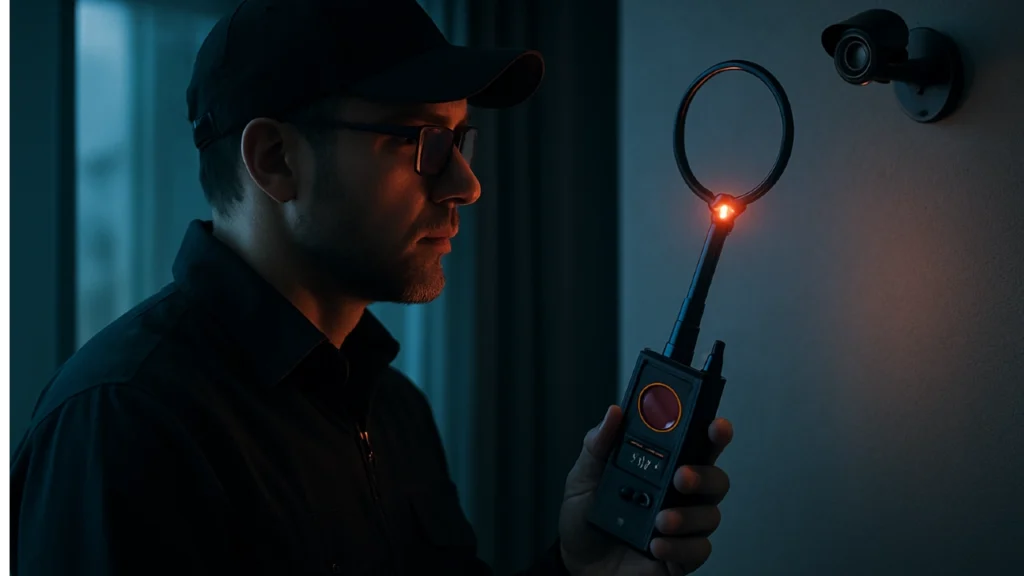
In an increasingly interconnected world, the significance of safeguarding personal privacy cannot be overstated. With the proliferation of technology, individuals and organizations are more vulnerable to unauthorized surveillance and data breaches than ever before. Privacy is not merely a personal preference; it is a fundamental right that underpins individual freedom and autonomy. When privacy is compromised, it can lead to a range of negative consequences, including identity theft, financial loss, and emotional distress. Therefore, understanding the importance of protecting one’s privacy is essential in today’s digital landscape.
Moreover, the implications of privacy breaches extend beyond the individual. Organizations that fail to protect sensitive information can suffer reputational damage, legal repercussions, and financial losses. In a corporate context, maintaining privacy is crucial for fostering trust among clients and stakeholders.
As such, both individuals and businesses must take proactive measures to ensure their privacy is safeguarded against potential threats.
This includes being aware of the tools and techniques available for detecting and mitigating surveillance risks.
If you’re concerned about the potential for hidden surveillance devices in your personal space, you may find it beneficial to read about the importance of TSCM (Technical Surveillance Counter-Measures) bug sweeps. These professional services can help ensure your privacy is protected from unwanted intrusions. For more information on related investigative services, you can check out this article on infidelity and relationship investigations: Infidelity and Relationship Investigations in Eastpointe.
Key Takeaways
- Protecting your privacy is crucial to prevent unauthorized surveillance and data breaches.
- TSCM Bug Sweep is a professional service that detects and removes hidden listening devices and bugs.
- Common bug locations include offices, vehicles, homes, and meeting rooms.
- Regular TSCM sweeps and additional privacy measures help maintain security and peace of mind.
- Choosing a reputable TSCM provider ensures thorough detection and effective protection against spying threats.
What is TSCM Bug Sweep?
Technical Surveillance Countermeasures (TSCM) Bug Sweep refers to a specialized process designed to detect and neutralize unauthorized surveillance devices, commonly known as bugs. These devices can be covertly placed in various environments to eavesdrop on conversations or gather sensitive information without the knowledge of the target. TSCM services are typically employed by individuals, corporations, and government entities concerned about their privacy and security. The primary goal of a TSCM Bug Sweep is to identify any hidden surveillance equipment and eliminate the threat it poses.
The practice of TSCM has evolved significantly over the years, adapting to advancements in technology and the increasing sophistication of surveillance methods. Professionals in this field utilize a combination of technical expertise and specialized equipment to conduct thorough inspections of premises. This may include the use of radio frequency detectors, thermal imaging cameras, and other advanced tools designed to locate hidden devices. By employing TSCM Bug Sweeps, individuals and organizations can take proactive steps to protect their privacy from unwanted intrusion.
How TSCM Bug Sweep Works
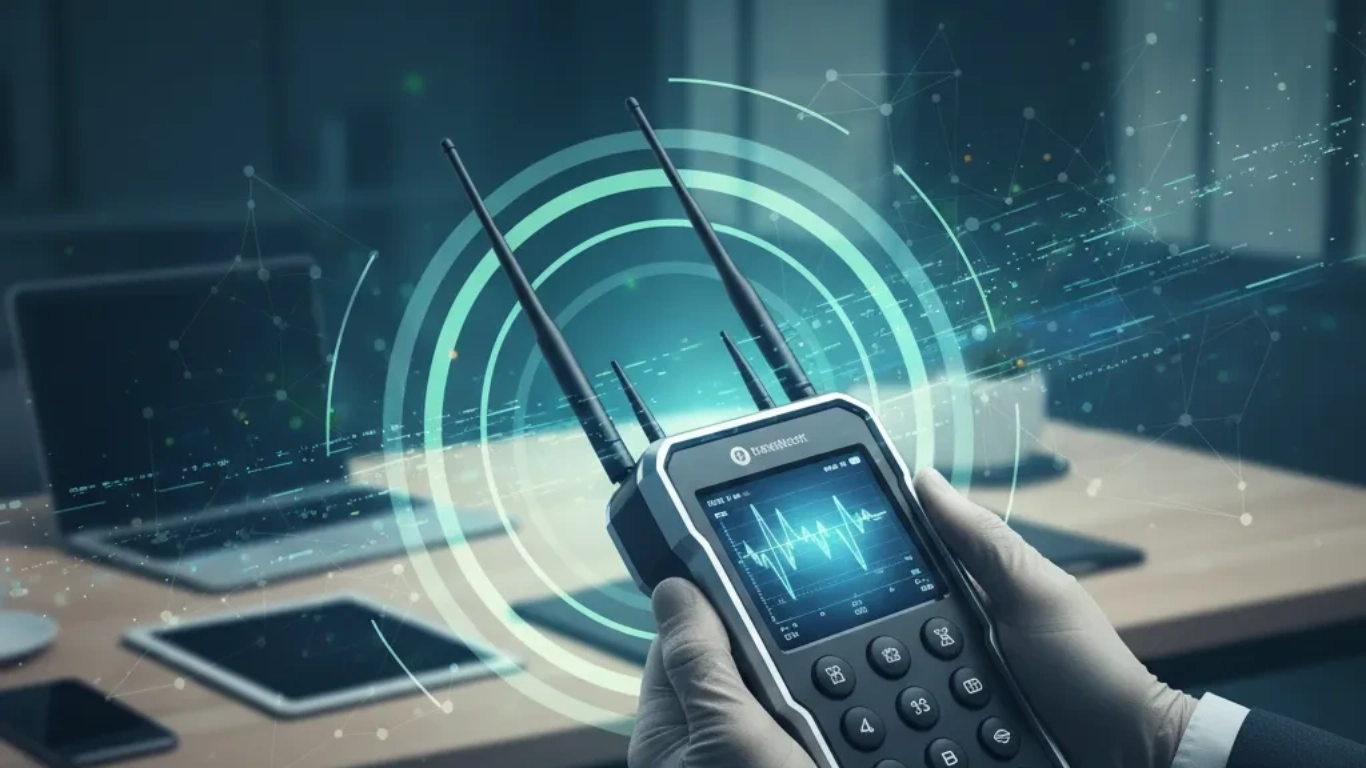
The process of conducting a TSCM Bug Sweep involves several systematic steps aimed at identifying and neutralizing surveillance threats. Initially, a thorough assessment of the environment is conducted to understand the layout and potential vulnerabilities. This includes identifying areas where sensitive conversations may take place or where confidential information is stored. Once the assessment is complete, technicians employ various detection methods to locate any hidden devices.
One common technique used during a TSCM Bug Sweep is radio frequency (RF) detection. This involves scanning for signals emitted by wireless surveillance devices. Technicians may also utilize non-linear junction detectors (NLJD) to identify electronic components that may not emit signals but are still capable of recording audio or video. Additionally, physical inspections are performed to check for any suspicious modifications or hidden compartments that could house surveillance equipment. The combination of these methods allows for a comprehensive sweep of the premises.
Common Places Where Bugs and Listening Devices are Found

Bugs and listening devices can be found in a variety of locations, often in places where sensitive discussions or confidential information exchanges occur. One common setting is within corporate offices, where executives may be targeted for corporate espionage or competitive intelligence gathering. Meeting rooms, executive offices, and even personal workspaces can be vulnerable to surveillance if proper precautions are not taken.
Residential spaces are also frequent targets for bugging. Individuals may find themselves under surveillance due to personal disputes, stalking, or other malicious intents. Common areas within homes that may be compromised include living rooms, bedrooms, and home offices. Additionally, public spaces such as hotels and conference centers are often equipped with hidden surveillance devices, making them risky environments for private discussions. Understanding these common locations can help individuals and organizations remain vigilant against potential surveillance threats.
If you’re concerned about privacy and potential surveillance, a thorough TSCM bug sweep can be an essential step in safeguarding your personal space. For those interested in understanding the implications of surveillance in personal relationships, you might find this insightful article on matrimonial infidelity investigations particularly relevant. It discusses how technology can play a role in uncovering hidden truths and protecting your privacy. You can read more about it here.
Signs That You May be Under Surveillance
Failing to protect one’s privacy can lead to significant risks that extend beyond mere inconvenience. One of the most pressing concerns is the potential for identity theft, which can result in financial loss and damage to one’s credit score. When personal information is accessed without consent, it can be used for fraudulent activities that may take years to rectify.
In addition to financial implications, breaches of privacy can have emotional and psychological effects on individuals. The feeling of being constantly watched can lead to anxiety and stress, impacting overall well-being. For organizations, the risks are equally severe; a lack of privacy protection can result in loss of intellectual property, legal liabilities, and diminished trust from clients and partners. Therefore, taking steps to safeguard privacy is essential for both personal security and organizational integrity.
Choosing the Right TSCM Bug Sweep Provider
Selecting an appropriate TSCM Bug Sweep provider is critical for ensuring effective surveillance detection and mitigation. When evaluating potential providers, it is important to consider their experience and expertise in the field. A reputable provider should have a proven track record in conducting thorough sweeps and utilizing advanced detection technologies.
Additionally, certifications and affiliations with professional organizations can serve as indicators of credibility within the industry. It is also advisable to seek references or testimonials from previous clients to gauge the provider’s reliability and effectiveness. Transparency regarding their methods and equipment used during sweeps is another important factor; a trustworthy provider should be willing to explain their processes in detail. By carefully assessing these criteria, individuals and organizations can make informed decisions when choosing a TSCM Bug Sweep provider.
What to Expect During a TSCM Bug Sweep
During a TSCM Bug Sweep, clients can expect a comprehensive evaluation of their premises conducted by trained professionals. The process typically begins with an initial consultation where the technician discusses specific concerns and outlines the scope of the sweep. Following this discussion, the technician will conduct a thorough inspection using various detection methods.
Clients should anticipate that the sweep will involve both electronic detection techniques and physical inspections of the environment. Technicians may use specialized equipment such as RF detectors and NLJDs while also examining furniture, fixtures, and other potential hiding spots for bugs. The duration of the sweep can vary depending on the size of the area being inspected but generally lasts several hours. After completing the sweep, clients will receive a detailed report outlining any findings along with recommendations for enhancing their privacy.
How Often Should You Conduct a TSCM Bug Sweep?
The frequency with which individuals or organizations should conduct TSCM Bug Sweeps depends on several factors, including the nature of their activities and perceived risks. For high-profile individuals or businesses dealing with sensitive information, regular sweeps—perhaps quarterly or biannually—may be advisable to ensure ongoing protection against surveillance threats.
Conversely, those with less exposure may opt for annual sweeps or conduct them only when specific concerns arise. It is also prudent to schedule a sweep following any significant changes in circumstances—such as moving to a new location or experiencing a breach of security—to reassess vulnerabilities effectively. Ultimately, establishing a routine for TSCM Bug Sweeps can help maintain a proactive approach to privacy protection.
Additional Steps for Protecting Your Privacy
In addition to conducting TSCM Bug Sweeps, there are several other measures individuals and organizations can take to enhance their privacy protection. Implementing strong cybersecurity practices is essential; this includes using complex passwords, enabling two-factor authentication, and regularly updating software to guard against vulnerabilities.
Physical security measures should not be overlooked either; securing access points such as doors and windows can deter unauthorized entry into private spaces. Additionally, being mindful of one’s digital footprint—such as limiting personal information shared on social media—can further reduce exposure to potential surveillance threats. By combining these strategies with regular TSCM Bug Sweeps, individuals can create a comprehensive approach to safeguarding their privacy.
The Peace of Mind that Comes with TSCM Bug Sweep
Engaging in TSCM Bug Sweeps provides individuals and organizations with peace of mind regarding their privacy and security. Knowing that thorough inspections have been conducted helps alleviate concerns about potential surveillance threats lurking in their environment. This sense of security allows individuals to focus on their personal lives or business operations without the constant worry of being monitored.
Furthermore, the proactive nature of TSCM Bug Sweeps fosters an environment where individuals feel empowered to take control over their privacy. By investing in these services, they demonstrate a commitment to protecting their rights and maintaining confidentiality in their communications. Ultimately, the peace of mind gained from regular TSCM Bug Sweeps contributes significantly to overall well-being and confidence in one’s personal or professional space.
FAQs
What is TSCM bug sweep?
TSCM bug sweep refers to Technical Surveillance Countermeasures, a process used to detect and remove electronic eavesdropping devices such as hidden microphones, cameras, and GPS trackers from a location.
Why is a TSCM bug sweep important?
A TSCM bug sweep is important to protect privacy and sensitive information from being intercepted or recorded by unauthorized parties, ensuring security in both personal and professional environments.
How is a TSCM bug sweep conducted?
A TSCM bug sweep is conducted using specialized equipment like radio frequency detectors, non-linear junction detectors, and spectrum analyzers to scan for hidden surveillance devices in a targeted area.
Who typically requires a TSCM bug sweep?
Individuals or organizations concerned about privacy breaches, corporate espionage, or sensitive information leaks—such as executives, government officials, and legal professionals—often require TSCM bug sweeps.
How often should a TSCM bug sweep be performed?
The frequency of TSCM bug sweeps depends on the level of risk and sensitivity of the environment, but it is generally recommended to perform them periodically or after any suspicion of surveillance activity.