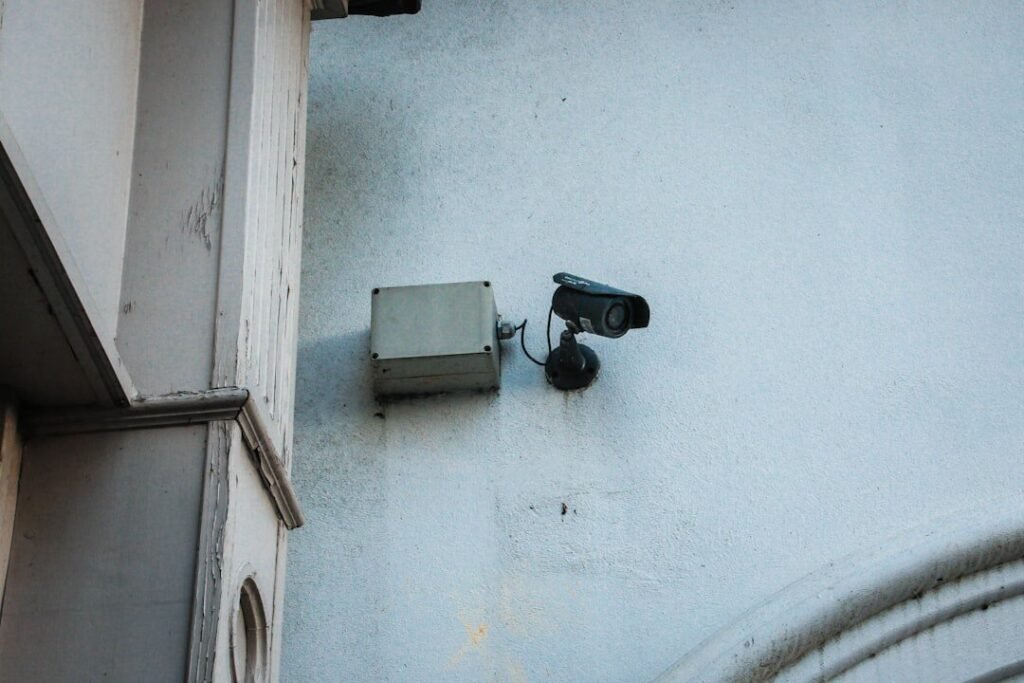
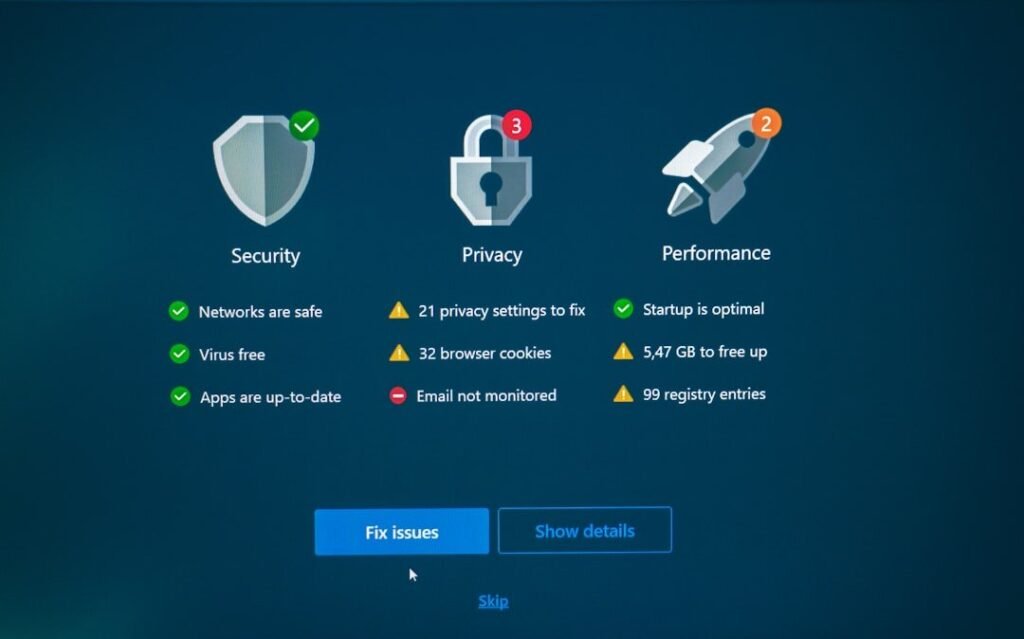
In an era where technology permeates every aspect of our lives, the threat to personal privacy has escalated dramatically. The proliferation of smartphones, smart home devices, and the Internet of Things (IoT) has created an environment where sensitive information is more vulnerable than ever. Data breaches, hacking incidents, and unauthorized surveillance have become commonplace, leading to a growing sense of unease among individuals and organizations alike.
The digital landscape is rife with potential threats, as malicious actors exploit weaknesses in security protocols to gain access to private communications and sensitive data. Moreover, the rise of social media has further complicated the privacy landscape. Users often share personal information without fully understanding the implications, inadvertently exposing themselves to risks.
The collection and analysis of user data by corporations and governments have raised ethical questions about consent and the extent to which individuals can control their own information. As a result, the need for effective privacy protection measures has never been more pressing, prompting many to seek solutions such as bug sweeps to safeguard their personal and professional lives.
Key Takeaways
- Privacy threats are increasing, making bug sweeps essential for protection.
- Bug sweeps detect hidden surveillance devices to safeguard personal and corporate privacy.
- Regular bug sweeps help prevent unauthorized information access and legal issues.
- Different types of bugs require specialized detection methods for effective removal.
- Selecting a reliable bug sweep provider is crucial for ongoing privacy and security.
Understanding Bug Sweeps
Bug sweeps, also known as technical surveillance countermeasures (TSCM), are specialized procedures designed to detect and eliminate unauthorized surveillance devices. These devices can range from hidden cameras and microphones to more sophisticated tracking systems that can compromise personal privacy. Bug sweeps are typically conducted by trained professionals who utilize advanced technology to identify potential threats in various environments, including homes, offices, and vehicles.
The process of a bug sweep involves a thorough examination of the premises using specialized equipment that can detect radio frequencies, infrared signals, and other indicators of surveillance devices.
The goal is not only to locate these devices but also to understand their capabilities and the extent of the invasion of privacy they represent.
By conducting regular bug sweeps, individuals and organizations can proactively protect themselves against unwanted surveillance.
How Bug Sweeps Protect Privacy

Bug sweeps serve as a critical line of defense against privacy invasions by identifying and neutralizing surveillance threats before they can be exploited. The process begins with a comprehensive assessment of the environment, where trained professionals utilize a combination of technology and expertise to uncover hidden devices. This proactive approach allows individuals and organizations to regain control over their private spaces, ensuring that sensitive conversations and information remain confidential.
In addition to detecting physical surveillance devices, bug sweeps can also help identify vulnerabilities in communication systems. For instance, technicians may analyze network traffic for signs of unauthorized access or data interception. By addressing these vulnerabilities, individuals can enhance their overall security posture and reduce the risk of data breaches or unauthorized surveillance.
Ultimately, bug sweeps empower individuals and organizations to take charge of their privacy, fostering a sense of security in an increasingly interconnected world.
Types of Bugs and Surveillance Devices
| Type of Bug/Device | Description | Common Uses | Detection Methods | Typical Range |
|---|---|---|---|---|
| Audio Bug | Small microphone device used to capture sound covertly. | Surveillance, intelligence gathering, law enforcement. | RF detectors, audio anomaly detection, physical inspection. | Up to 100 meters (depending on transmitter power) |
| Video Bug (Hidden Camera) | Miniature camera designed to record or transmit video secretly. | Security monitoring, espionage, private investigations. | Lens detectors, infrared scanners, physical search. | Varies; typically 10-50 meters for wireless transmission |
| GPS Tracker | Device that transmits location data via satellite signals. | Vehicle tracking, asset monitoring, personal surveillance. | RF scanners, physical inspection, GPS signal jammers. | Global (satellite-based) |
| RF Transmitter Bug | Device that transmits audio or video signals over radio frequencies. | Covert communication, spying, data exfiltration. | Spectrum analyzers, RF scanners, directional antennas. | Up to several hundred meters |
| Optical Bug | Device that uses light signals (e.g., laser microphones) to capture sound remotely. | Long-distance eavesdropping through windows or walls. | Physical inspection, laser detection equipment. | Up to several hundred meters |
| Keylogger | Hardware or software device that records keystrokes. | Data theft, monitoring computer usage. | Software scans, physical inspection of keyboards and cables. | Internal to device |
| Wi-Fi Packet Sniffer | Software tool that intercepts and logs wireless network traffic. | Network monitoring, data interception. | Network security tools, encryption, intrusion detection systems. | Wi-Fi coverage area (typically 30-100 meters) |
The landscape of surveillance technology is diverse, encompassing a wide range of devices designed to invade privacy. Common types of bugs include hidden microphones, which can be discreetly placed in various locations to capture conversations without consent. These devices can be as small as a pinhead and are often difficult to detect without specialized equipment.
Similarly, hidden cameras can be concealed within everyday objects such as smoke detectors or picture frames, allowing for covert video surveillance. In addition to these traditional bugs, more advanced surveillance technologies have emerged in recent years. GPS tracking devices can be surreptitiously attached to vehicles or personal belongings, enabling real-time location tracking without the individual’s knowledge.
Furthermore, software-based surveillance tools can infiltrate smartphones and computers, allowing hackers to access sensitive information remotely. This evolving array of surveillance devices underscores the importance of regular bug sweeps to identify and neutralize potential threats before they can be exploited.
The Legal Implications of Privacy Invasion
The invasion of privacy through unauthorized surveillance raises significant legal concerns that vary by jurisdiction. In many countries, laws exist to protect individuals from unwarranted intrusion into their private lives. For instance, wiretapping laws often require consent from at least one party involved in a conversation before it can be recorded legally.
Violations of these laws can result in severe penalties for offenders, including fines and imprisonment. However, the legal landscape surrounding privacy invasion is complex and often lagging behind technological advancements. In some cases, individuals may find it challenging to pursue legal action against perpetrators due to the difficulty in proving that an invasion occurred.
This underscores the importance of preventive measures such as bug sweeps, which not only help individuals protect their privacy but also provide evidence that can be crucial in legal proceedings if an invasion is discovered.
The Importance of Regular Bug Sweeps

Regular bug sweeps are essential for maintaining privacy in both personal and professional settings. As technology continues to evolve, so too do the methods employed by those seeking to invade privacy.
In corporate environments, regular bug sweeps are particularly critical due to the sensitive nature of business communications and proprietary information. Companies that fail to conduct regular sweeps risk exposing themselves to corporate espionage or data breaches that could have devastating financial consequences. By investing in routine bug sweeps, organizations demonstrate a commitment to protecting their assets and maintaining the trust of their clients and stakeholders.
Protecting Sensitive Information
In today’s digital age, protecting sensitive information is paramount for both individuals and organizations. Personal data such as financial records, medical histories, and confidential communications are prime targets for hackers and unauthorized surveillance. Bug sweeps play a vital role in safeguarding this information by identifying potential vulnerabilities that could be exploited by malicious actors.
For individuals, protecting sensitive information often involves securing personal devices such as smartphones and laptops from unauthorized access. Bug sweeps can help identify spyware or malware that may have been installed without consent, allowing users to take corrective action before their data is compromised. For organizations, safeguarding sensitive information requires a comprehensive approach that includes regular bug sweeps as part of a broader security strategy aimed at mitigating risks associated with data breaches and privacy invasions.
The Role of Bug Sweeps in Corporate Security
In the corporate world, the stakes are high when it comes to protecting sensitive information from unauthorized surveillance. Bug sweeps serve as a critical component of corporate security strategies by identifying potential threats that could compromise confidential communications or proprietary data. Companies that prioritize bug sweeps demonstrate a proactive approach to security, fostering a culture of vigilance among employees.
Moreover, bug sweeps can help organizations comply with legal and regulatory requirements related to data protection and privacy. Many industries are subject to strict regulations governing the handling of sensitive information, and failure to comply can result in significant penalties. By conducting regular bug sweeps, companies not only protect their assets but also mitigate legal risks associated with privacy violations.
Bug Sweeps for Personal Privacy
While corporate security is often emphasized in discussions about bug sweeps, personal privacy is equally important. Individuals may find themselves targeted by unwanted surveillance for various reasons, including personal disputes or stalking behaviors. Bug sweeps provide a means for individuals to reclaim their privacy by identifying hidden surveillance devices that could compromise their safety and well-being.
For example, someone who suspects they are being monitored may choose to conduct a bug sweep in their home or vehicle to ensure they are not being recorded or tracked without their knowledge. This proactive measure empowers individuals to take control of their personal space and protect themselves from potential threats. In an age where personal safety is increasingly intertwined with privacy concerns, bug sweeps offer a valuable tool for safeguarding one’s private life.
Choosing the Right Bug Sweep Provider
Selecting the right bug sweep provider is crucial for ensuring effective privacy protection. Not all providers offer the same level of expertise or technology, making it essential for individuals and organizations to conduct thorough research before making a decision. Factors to consider include the provider’s experience in the field, the technology they employ for detection, and their reputation within the industry.
Additionally, it is important to assess whether the provider offers customized solutions tailored to specific needs. Different environments may require different approaches; for instance, a residential bug sweep may differ significantly from one conducted in a corporate setting. Engaging with a provider who understands these nuances can enhance the effectiveness of the sweep and ensure comprehensive coverage against potential threats.
The Future of Privacy Protection
As technology continues to advance at an unprecedented pace, the future of privacy protection will likely evolve alongside it. Emerging technologies such as artificial intelligence (AI) and machine learning are already being integrated into surveillance systems, making it increasingly challenging for individuals and organizations to safeguard their privacy effectively. In response, the demand for advanced bug sweep solutions will likely grow as people seek innovative ways to counteract these evolving threats.
Moreover, public awareness regarding privacy issues is on the rise, prompting discussions about ethical considerations surrounding data collection and surveillance practices. As society grapples with these challenges, there may be increased advocacy for stronger regulations governing privacy protection at both national and international levels. The future landscape will likely require a multifaceted approach that combines technological advancements with robust legal frameworks to ensure that individual privacy rights are upheld in an increasingly interconnected world.
If you’re concerned about the potential for hidden surveillance in your personal or professional space, understanding the importance of bug sweeps is crucial. For more insights on this topic, you can read our related article on the various services we offer, including bug sweeps, by visiting our services page. This resource provides valuable information on how to protect your privacy and ensure your environment is secure.
FAQs
What is a bug sweep?
A bug sweep is a thorough inspection process used to detect and locate hidden surveillance devices such as listening bugs, cameras, or GPS trackers in a specific area or on a person.
Why are bug sweeps conducted?
Bug sweeps are conducted to ensure privacy and security by identifying and removing unauthorized surveillance devices that may be used for espionage, theft of information, or invasion of privacy.
Who typically performs bug sweeps?
Bug sweeps are usually performed by professional security experts or specialized companies trained in technical surveillance countermeasures (TSCM).
What equipment is used in a bug sweep?
Equipment used in bug sweeps can include radio frequency (RF) detectors, non-linear junction detectors (NLJD), spectrum analyzers, thermal cameras, and other specialized tools designed to detect electronic surveillance devices.
How often should bug sweeps be conducted?
The frequency of bug sweeps depends on the level of risk and sensitivity of the environment. High-risk individuals or organizations may conduct sweeps regularly, while others may do so only when there is suspicion of surveillance.
Can bug sweeps detect all types of surveillance devices?
While bug sweeps are effective at detecting most electronic surveillance devices, some advanced or well-hidden devices may be difficult to find. Continuous advancements in technology require updated equipment and expertise.
Is a bug sweep legal?
Bug sweeps are legal when performed on property or devices owned by the person or organization requesting the sweep. Unauthorized bug sweeping on private property without consent may be illegal.
How long does a typical bug sweep take?
The duration of a bug sweep varies depending on the size of the area and complexity of the environment but typically ranges from a few hours to a full day.
What should I do if a bug is found during a sweep?
If a surveillance device is found, it is advisable to document the device, avoid tampering with it, and consult with legal or security professionals to determine the appropriate next steps.