In today’s digital landscape, cyber security has become a critical component for businesses of all sizes. As organizations increasingly rely on technology for their operations, the potential risks associated with cyber threats have escalated. A successful cyber attack can lead to significant financial losses, damage to reputation, and legal repercussions. Therefore, investing in robust cyber security measures is not merely an option but a necessity for safeguarding sensitive information and maintaining customer trust.
Moreover, the importance of cyber security extends beyond just protecting data. It encompasses the overall integrity of business operations. A breach can disrupt services, halt production, and lead to a loss of competitive advantage. For many companies, especially those in sectors like finance and healthcare, regulatory compliance mandates stringent security protocols. Failure to adhere to these regulations can result in hefty fines and further legal complications. Thus, a comprehensive approach to cyber security is essential for ensuring business continuity and resilience in the face of evolving threats.
In today’s digital landscape, the role of a cyber security consultant has become increasingly vital for businesses seeking to protect their sensitive information. A related article that delves into the importance of legal support in cyber security can be found at this link. This resource highlights how legal expertise complements cyber security efforts, ensuring that organizations not only defend against cyber threats but also navigate the complex legal implications that may arise from data breaches and other cyber incidents.
Key Takeaways
- Cyber security is crucial for protecting businesses from evolving digital threats.
- Identifying vulnerabilities and assessing current security measures help strengthen defenses.
- Choosing the right consultant and training employees are key to effective cyber security.
- Implementing protocols, encryption, and response plans minimizes damage from attacks.
- Continuous monitoring and staying updated on trends ensure ongoing protection.
Understanding the Risks and Threats
The landscape of cyber threats is diverse and constantly changing. Businesses face a myriad of risks, including malware attacks, phishing schemes, ransomware incidents, and insider threats. Each of these risks presents unique challenges that require tailored strategies for mitigation. For instance, malware can infiltrate systems through seemingly innocuous downloads or email attachments, while phishing attacks often exploit human error by tricking employees into revealing sensitive information.
Additionally, the rise of sophisticated cybercriminal organizations has made it increasingly difficult for businesses to defend against attacks. These groups often employ advanced techniques and tools that can bypass traditional security measures. Understanding the specific threats that a business may face is crucial for developing an effective cyber security strategy. This involves not only recognizing the types of attacks but also staying informed about emerging trends and tactics used by cybercriminals.
Identifying Vulnerabilities in Your Business
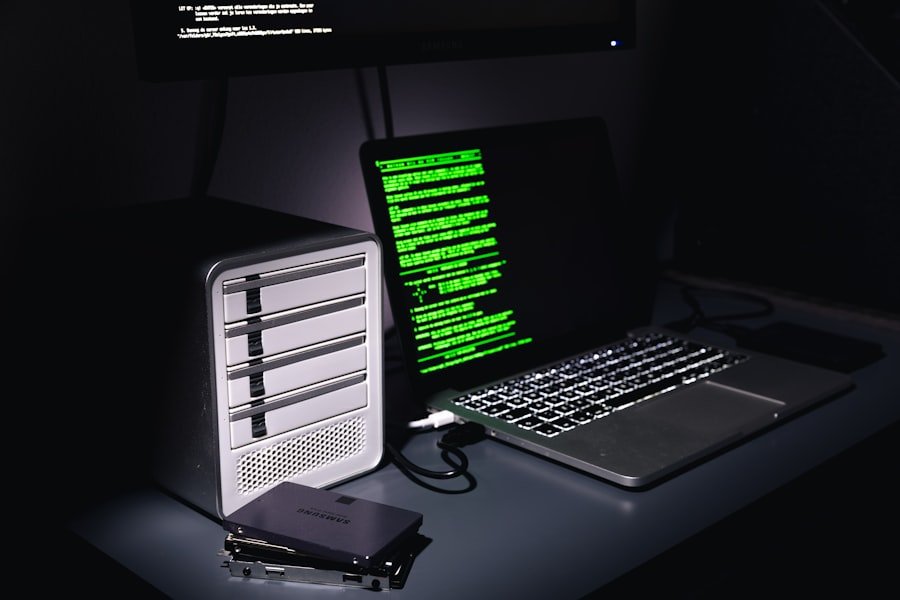
To effectively protect against cyber threats, businesses must first identify their vulnerabilities. This process involves conducting a thorough assessment of existing systems, processes, and practices. Common vulnerabilities may include outdated software, weak passwords, and insufficient employee training. By pinpointing these weaknesses, organizations can prioritize their efforts to strengthen their defenses.
Moreover, vulnerability assessments should not be a one-time activity but rather an ongoing process. As technology evolves and new threats emerge, businesses must continuously evaluate their security posture. This may involve regular penetration testing, system audits, and risk assessments to ensure that vulnerabilities are addressed promptly. By maintaining a proactive approach to identifying weaknesses, businesses can significantly reduce their risk exposure.
Choosing the Right Cyber Security Consultant

Selecting an appropriate cyber security consultant is a critical step for businesses seeking to enhance their security measures. The right consultant should possess a deep understanding of the specific challenges faced by the organization and offer tailored solutions that align with its goals. When evaluating potential consultants, businesses should consider factors such as experience, expertise in relevant technologies, and familiarity with industry regulations.
Additionally, it is essential to assess the consultant’s approach to collaboration and communication. A successful partnership requires clear communication and a shared understanding of objectives. Businesses should seek consultants who are willing to work closely with internal teams to develop comprehensive strategies that address both immediate needs and long-term goals. By choosing the right consultant, organizations can leverage external expertise to bolster their cyber security efforts effectively.
In the ever-evolving landscape of cyber threats, the role of a cyber security consultant has become increasingly vital for businesses seeking to protect their sensitive information. These professionals not only assess vulnerabilities but also develop comprehensive strategies to mitigate risks. For those interested in understanding the broader implications of security in various domains, a related article on fraud and financial investigations can provide valuable insights. You can read more about this topic in the article on fraud and financial investigations, which highlights the importance of vigilance in safeguarding assets.
Assessing Your Current Cyber Security Measures
| Metric | Description | Typical Value / Range | Unit |
|---|---|---|---|
| Average Salary | Annual compensation for a cybersecurity consultant | 80,000 – 130,000 | USD |
| Years of Experience | Typical experience required for mid-level consultant | 3 – 7 | Years |
| Certifications | Common certifications held by cybersecurity consultants | CISSP, CISM, CEH, CompTIA Security+ | Count / Types |
| Average Project Duration | Typical length of a consulting engagement | 3 – 6 | Months |
| Client Industries | Industries commonly served by cybersecurity consultants | Finance, Healthcare, Government, Technology | Categories |
| Common Tools Used | Popular cybersecurity tools and platforms | Wireshark, Nessus, Metasploit, Splunk | Tools |
| Average Billable Hours | Typical monthly billable hours for consultants | 120 – 160 | Hours |
| Risk Assessment Coverage | Percentage of systems typically assessed in a project | 70 – 90 | Percent (%) |
| Incident Response Time | Average time to respond to a security incident | 1 – 4 | Hours |
Before implementing new security protocols or strategies, businesses must first assess their current cyber security measures. This evaluation should encompass all aspects of the organization’s security framework, including hardware, software, policies, and employee practices. By understanding the strengths and weaknesses of existing measures, businesses can make informed decisions about where to allocate resources for improvement.
During this assessment, organizations should also consider compliance with relevant regulations and standards. Many industries have specific requirements regarding data protection and privacy that must be met. Ensuring that current measures align with these regulations is crucial for avoiding potential legal issues. A comprehensive assessment not only highlights areas for improvement but also provides a baseline for measuring progress over time.
Implementing Effective Security Protocols
Please Check our services area to learn more about what we offer.
Once vulnerabilities have been identified and current measures assessed, businesses can begin implementing effective security protocols. This process involves establishing clear policies and procedures that govern how data is accessed, shared, and protected within the organization. Strong access controls, regular software updates, and robust authentication methods are essential components of a comprehensive security strategy.
Furthermore, businesses should consider adopting a layered security approach that combines multiple defenses to protect against various threats. This may include firewalls, intrusion detection systems, and endpoint protection solutions. By creating multiple layers of defense, organizations can enhance their resilience against attacks and reduce the likelihood of successful breaches.
Training Your Employees on Cyber Security Best Practices
Employees play a crucial role in maintaining an organization’s cyber security posture. Therefore, training staff on best practices is essential for minimizing human error and enhancing overall security awareness. Regular training sessions should cover topics such as recognizing phishing attempts, creating strong passwords, and understanding the importance of data protection.
In addition to formal training programs, organizations should foster a culture of security awareness among employees. This can be achieved through ongoing communication about potential threats and encouraging staff to report suspicious activities. By empowering employees to take an active role in cyber security, businesses can create a more vigilant workforce that contributes to the overall safety of the organization.
Developing a Response Plan for Cyber Attacks
Despite best efforts to prevent cyber attacks, organizations must be prepared for the possibility of a breach occurring. Developing a comprehensive response plan is essential for minimizing damage and ensuring a swift recovery in the event of an incident. This plan should outline specific steps to be taken in response to various types of attacks, including communication protocols and roles for key personnel.
Additionally, regular testing of the response plan is crucial for ensuring its effectiveness. Simulated exercises can help identify gaps in the plan and provide valuable insights into how well the organization can respond under pressure. By having a well-defined response plan in place, businesses can mitigate the impact of cyber attacks and restore normal operations more quickly.
Regularly Updating and Monitoring Your Security Systems
Cyber security is not a static endeavor; it requires ongoing vigilance and adaptation to new threats. Regularly updating and monitoring security systems is essential for maintaining an effective defense against evolving risks. This includes applying software patches promptly, updating antivirus definitions, and reviewing firewall configurations.
Monitoring systems for unusual activity is equally important. Implementing real-time monitoring solutions can help detect potential breaches before they escalate into significant incidents. By maintaining an active approach to system updates and monitoring, organizations can stay ahead of potential threats and enhance their overall security posture.
Utilizing Encryption and Data Protection Measures
Encryption is a vital tool in protecting sensitive data from unauthorized access. By converting information into a coded format that can only be deciphered with the appropriate key or password, encryption adds an additional layer of security to data storage and transmission. Businesses should implement encryption protocols for both stored data and data in transit to safeguard against interception or theft.
In addition to encryption, organizations should consider other data protection measures such as regular backups and secure data disposal practices. Regularly backing up critical data ensures that it can be restored in the event of a breach or system failure. Secure disposal practices help prevent sensitive information from being recovered after it is no longer needed. Together, these measures contribute to a comprehensive data protection strategy.
Staying Informed about the Latest Cyber Security Trends and Technologies
The field of cyber security is constantly evolving as new threats emerge and technologies advance. Staying informed about the latest trends and developments is essential for businesses seeking to maintain effective defenses against cyber attacks. This may involve subscribing to industry publications, attending conferences, or participating in online forums focused on cyber security.
Additionally, organizations should consider engaging with professional networks or associations dedicated to cyber security. These groups often provide valuable resources, training opportunities, and insights into best practices within the industry. By remaining informed about current trends and technologies, businesses can adapt their strategies accordingly and enhance their overall resilience against cyber threats.
In conclusion, cyber security is an essential aspect of modern business operations that requires ongoing attention and investment. By understanding risks, identifying vulnerabilities, implementing effective protocols, training employees, developing response plans, regularly updating systems, utilizing encryption measures, and staying informed about industry trends, organizations can significantly enhance their defenses against cyber threats. As technology continues to evolve, so too must the strategies employed by businesses to protect their assets and maintain trust with customers and stakeholders alike.
FAQs
What does a cyber security consultant do?
A cyber security consultant assesses an organization’s security measures, identifies vulnerabilities, and recommends strategies to protect against cyber threats. They help implement security protocols, conduct risk assessments, and ensure compliance with industry standards.
What qualifications are needed to become a cyber security consultant?
Typically, a cyber security consultant holds a degree in computer science, information technology, or a related field. Professional certifications such as CISSP, CISM, or CEH are highly valued. Experience in network security, risk management, and incident response is also important.
How does a cyber security consultant help businesses?
They help businesses by identifying security weaknesses, developing security policies, training staff on best practices, and responding to security incidents. Their expertise helps prevent data breaches, protect sensitive information, and maintain regulatory compliance.
What industries commonly employ cyber security consultants?
Cyber security consultants are employed across various industries including finance, healthcare, government, retail, and technology. Any organization that handles sensitive data or relies on digital infrastructure may require their services.
What are the common tools used by cyber security consultants?
Common tools include vulnerability scanners, penetration testing software, firewalls, intrusion detection systems, and security information and event management (SIEM) platforms. These tools help identify threats, monitor networks, and respond to security incidents effectively.