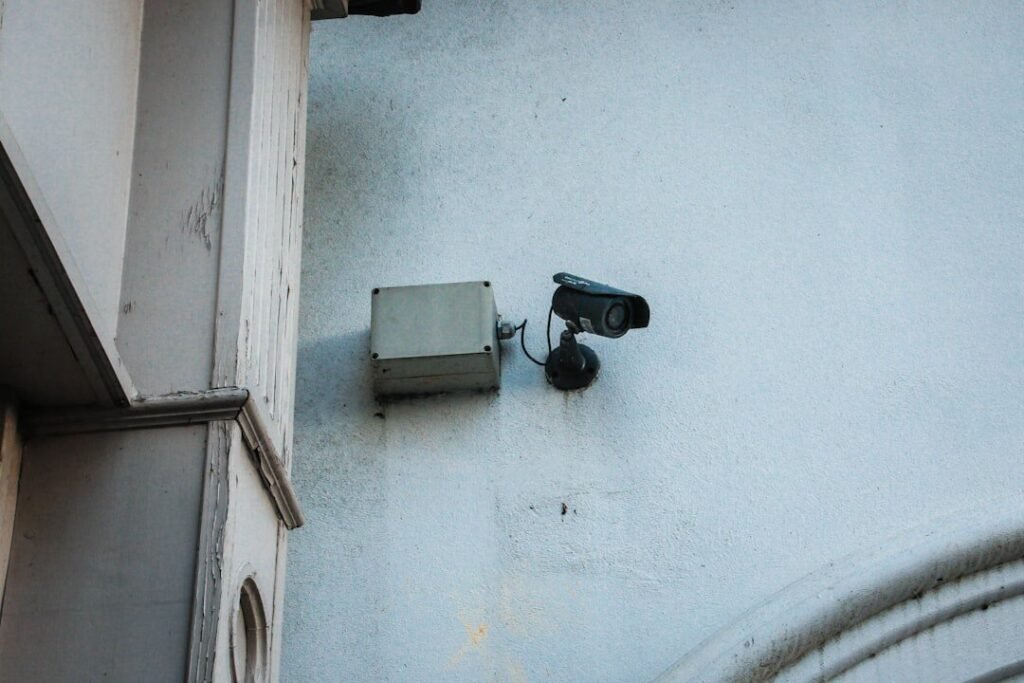
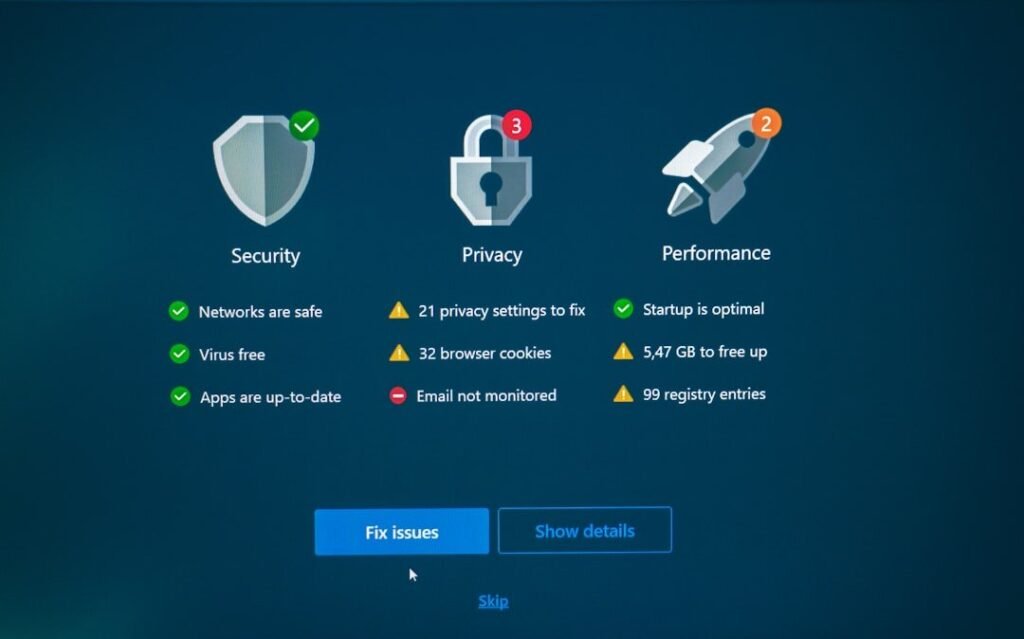
In an age where technology permeates every aspect of our lives, the threat of surveillance has escalated dramatically. Governments, corporations, and even malicious individuals have access to sophisticated tools that can monitor our activities, both online and offline. The rise of the Internet of Things (IoT) has further exacerbated this issue, as everyday devices—from smart speakers to connected appliances—can serve as potential surveillance tools.
This omnipresent monitoring creates a chilling effect on personal freedom and autonomy, making counter-surveillance an increasingly vital practice for individuals who wish to maintain their privacy. Counter-surveillance is not merely a reaction to the existing threat; it is a proactive approach to reclaiming control over one’s personal space and information. As surveillance technologies become more advanced, so too must the strategies employed to counteract them.
This includes understanding the various forms of surveillance that exist, from digital tracking through cookies and metadata to physical surveillance through cameras and drones. By comprehensively grasping the nature of these threats, individuals can better equip themselves with the knowledge and tools necessary to protect their privacy.
Key Takeaways
- Counter-surveillance is increasingly vital to protect personal privacy against growing surveillance threats.
- Data collection poses significant risks as personal information can be exploited without consent.
- Utilizing encryption and secure communication tools is essential to safeguard your digital interactions.
- Physical security measures help prevent unauthorized surveillance and protect your environment.
- Understanding legal rights and educating others empowers individuals to effectively defend their privacy.
The Impact of Surveillance on Privacy: Why You Need to Protect Yourself
The implications of surveillance extend far beyond mere inconvenience; they fundamentally alter the way individuals interact with the world around them. When people know they are being watched, they may self-censor their behavior, stifling free expression and creativity. This phenomenon, often referred to as the “chilling effect,” can lead to a society where individuals are hesitant to voice dissenting opinions or engage in activities that could be deemed controversial.
The erosion of privacy not only affects personal relationships but also undermines democratic principles by discouraging open discourse. Moreover, the pervasive nature of surveillance can lead to a false sense of security. Many individuals believe that as long as they are not engaging in illegal activities, they have nothing to fear from being monitored.
However, this perspective overlooks the potential for misuse of data collected through surveillance. Information can be misinterpreted or manipulated, leading to unjust consequences for innocent individuals. The need for robust counter-surveillance measures becomes evident when considering the broader societal implications of unchecked surveillance practices.
The Dangers of Data Collection: How Your Information is Being Used Against You

Data collection has become a cornerstone of modern business practices, with companies amassing vast troves of personal information to tailor their services and advertisements. However, this data is not merely used for benign purposes; it can also be weaponized against individuals. For instance, data breaches have become alarmingly common, exposing sensitive information such as financial details and personal identifiers.
Once in the hands of cybercriminals, this information can lead to identity theft, financial fraud, and other malicious activities that can have devastating effects on victims. Furthermore, the use of algorithms and artificial intelligence in analyzing collected data raises ethical concerns about bias and discrimination. For example, predictive policing models that rely on historical data can perpetuate systemic biases, leading to disproportionate targeting of specific communities.
This not only violates individual rights but also exacerbates social inequalities. Understanding how data is collected and utilized is crucial for individuals seeking to protect themselves from potential harm and exploitation.
The Power of Counter-Surveillance: Taking Control of Your Privacy
| Metric | Description | Impact on Privacy | Example Tools/Methods |
|---|---|---|---|
| Data Encryption Usage | Percentage of users employing encryption for communications and files | High – Protects data from unauthorized access | VPNs, PGP, Signal, HTTPS |
| Incidence of Tracking Cookies Blocked | Average number of tracking cookies blocked per user per day | Medium – Reduces online tracking and profiling | Browser extensions like uBlock Origin, Privacy Badger |
| Use of Anti-Surveillance Cameras | Number of users employing camera covers or blockers | Medium – Prevents unauthorized visual surveillance | Physical webcam covers, software camera blockers |
| Frequency of Location Spoofing | Percentage of users who spoof or mask their GPS location | Medium – Protects against location tracking | GPS spoofing apps, VPNs with location masking |
| Adoption of Secure Messaging | Percentage of users switching to end-to-end encrypted messaging apps | High – Secures communication from interception | Signal, Telegram (secret chats), WhatsApp |
| Use of Privacy-Focused Search Engines | Percentage of users opting for non-tracking search engines | Medium – Limits data collection by search providers | DuckDuckGo, Startpage, Qwant |
| Incidence of Data Breaches Reported | Number of reported data breaches affecting users | Low to High – Indicates risk level to personal data | Have I Been Pwned, security news alerts |
Counter-surveillance empowers individuals by providing them with the tools and knowledge necessary to reclaim their privacy in an increasingly monitored world. By adopting counter-surveillance techniques, individuals can actively disrupt surveillance efforts aimed at them. This can range from simple actions like being aware of one’s surroundings to more sophisticated measures such as employing technology designed to thwart surveillance devices.
The essence of counter-surveillance lies in its ability to shift the balance of power back into the hands of the individual. Moreover, counter-surveillance fosters a culture of awareness regarding privacy rights and the implications of surveillance technologies. As more people engage in counter-surveillance practices, a collective consciousness emerges that challenges the normalization of invasive monitoring.
This cultural shift can lead to greater advocacy for privacy rights and legislative changes aimed at protecting individuals from unwarranted surveillance. By taking control of their privacy, individuals not only safeguard themselves but also contribute to a broader movement advocating for civil liberties.
Tools and Techniques: How to Implement Counter-Surveillance in Your Daily Life
Implementing counter-surveillance techniques in daily life does not require extensive resources or technical expertise; rather, it involves adopting a mindset focused on awareness and vigilance. One effective method is situational awareness—being conscious of one’s environment and recognizing potential surveillance threats. This could mean being mindful of security cameras in public spaces or noticing unusual behavior from individuals who may be monitoring you.
In addition to situational awareness, individuals can utilize various tools designed for counter-surveillance. For instance, anti-surveillance clothing embedded with materials that block infrared signals can help obscure one’s presence from thermal imaging cameras. Similarly, smartphone applications that detect hidden cameras or microphones can provide an added layer of security when in unfamiliar environments.
By integrating these tools into everyday life, individuals can significantly enhance their ability to protect their privacy.
Protecting Your Digital Footprint: Securing Your Online Presence
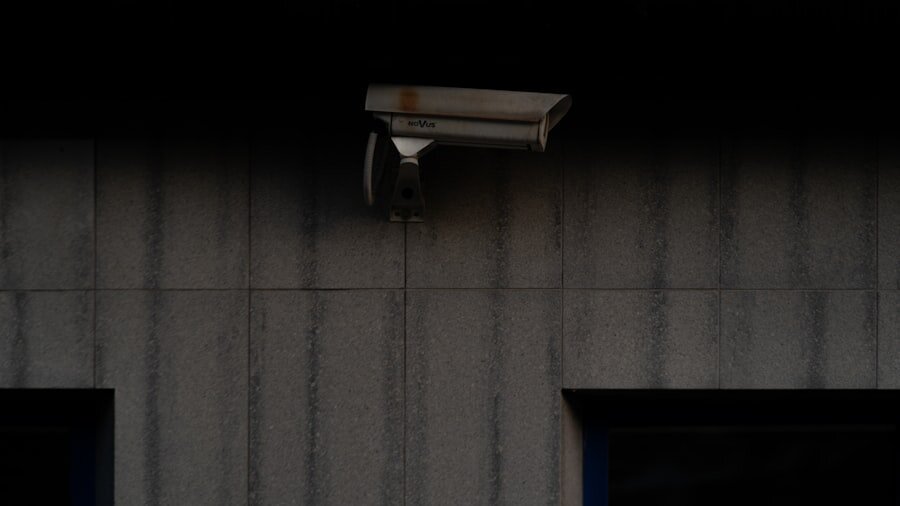
In today’s digital landscape, protecting one’s online presence is paramount for maintaining privacy. Every interaction online leaves a digital footprint that can be tracked and analyzed by various entities. To mitigate this risk, individuals should adopt practices that minimize their digital traces.
This includes using privacy-focused search engines like DuckDuckGo instead of mainstream options that track user behavior. Additionally, employing virtual private networks (VPNs) can help mask one’s IP address and encrypt internet traffic, making it more difficult for third parties to monitor online activities. Regularly reviewing privacy settings on social media platforms is also essential; users should limit the amount of personal information shared publicly and be cautious about friend requests from unknown individuals.
By taking these proactive steps, individuals can significantly reduce their vulnerability to digital surveillance.
Safeguarding Your Communications: Encrypting Your Messages and Calls
The security of communications is another critical aspect of counter-surveillance efforts. With the rise of instant messaging apps and VoIP services, ensuring that conversations remain private has become increasingly challenging. Encryption serves as a powerful tool in this regard, transforming messages into unreadable code that can only be deciphered by intended recipients.
Utilizing end-to-end encrypted messaging platforms like Signal or WhatsApp ensures that even if data is intercepted during transmission, it remains secure. Moreover, voice calls can also be encrypted using services that prioritize user privacy.
It is essential for individuals to educate themselves about the encryption options available for their preferred communication methods and adopt them as standard practice. By safeguarding communications through encryption, individuals can significantly enhance their privacy and reduce the risk of unauthorized access.
Securing Your Physical Environment: Preventing Physical Surveillance and Intrusions
While digital surveillance poses significant threats, physical surveillance remains a pressing concern as well. Individuals must take steps to secure their physical environments against potential intrusions or monitoring efforts. This begins with assessing one’s living space for vulnerabilities—identifying areas where surveillance devices could be hidden or where unauthorized access could occur.
Implementing physical security measures such as installing motion-activated lights or security cameras can deter potential intruders while providing peace of mind. Additionally, using window coverings or reflective films can obscure visibility into one’s home from outside observers. Regularly changing access codes for locks and security systems further enhances protection against unauthorized entry.
By taking these precautions, individuals can create a secure physical environment that minimizes the risk of surveillance.
The Legal Aspects: Understanding Your Rights and Limitations in Counter-Surveillance
Navigating the legal landscape surrounding counter-surveillance is crucial for individuals seeking to protect their privacy without infringing on others’ rights. Laws regarding surveillance vary significantly by jurisdiction; therefore, understanding local regulations is essential before implementing counter-surveillance measures. In many regions, individuals have the right to monitor their own property but may face legal repercussions if they attempt to surveil others without consent.
Additionally, laws governing data protection and privacy rights are evolving rapidly in response to growing concerns about surveillance practices.
By understanding these legal frameworks, individuals can navigate counter-surveillance efforts more effectively while remaining compliant with applicable laws.
The Importance of Education: Spreading Awareness and Empowering Others to Protect Their Privacy
Education plays a pivotal role in fostering a culture of privacy awareness and counter-surveillance practices. As technology continues to advance at an unprecedented pace, it is essential for individuals to stay informed about emerging threats and protective measures available to them. Workshops, seminars, and online resources dedicated to privacy education can equip individuals with the knowledge needed to navigate an increasingly surveilled world.
Moreover, empowering others through education creates a ripple effect that amplifies collective awareness regarding privacy rights and counter-surveillance techniques. Community initiatives aimed at spreading knowledge about digital security practices can help bridge gaps in understanding among diverse populations. By fostering an informed society that values privacy protection, we can collectively challenge invasive surveillance practices and advocate for stronger legal protections.
Taking Action to Protect Your Privacy with Counter-Surveillance
In an era where surveillance has become ubiquitous, taking action to protect one’s privacy through counter-surveillance measures is not just advisable; it is imperative. By understanding the threats posed by both digital and physical surveillance, individuals can adopt proactive strategies that safeguard their personal information and communications. From utilizing encryption tools to securing physical environments against intrusions, every step taken towards enhancing privacy contributes to a larger movement advocating for civil liberties.
As we navigate this complex landscape together, it is crucial to remain vigilant and informed about our rights regarding privacy and surveillance practices. By educating ourselves and others about counter-surveillance techniques and fostering a culture that values privacy protection, we can work towards creating a society where individual freedoms are respected and upheld in the face of growing technological advancements.
For those interested in understanding the importance of privacy and the measures that can be taken to protect it, the article on the agency’s privacy policy provides valuable insights. You can read more about it in the Privacy Policy section, which outlines the agency’s commitment to safeguarding personal information and the various counter-surveillance techniques that can be employed to enhance security.
FAQs
What is counter-surveillance?
Counter-surveillance refers to the techniques and measures used to detect, evade, or prevent surveillance by adversaries or unauthorized parties. It aims to protect privacy and security by identifying and mitigating monitoring efforts.
Why is counter-surveillance important?
Counter-surveillance is important to safeguard personal privacy, protect sensitive information, prevent unauthorized tracking, and maintain operational security in both personal and professional contexts.
What are common methods of counter-surveillance?
Common methods include physical tactics like changing routes and routines, using surveillance detection routes, employing electronic countermeasures such as signal jammers or encryption, and conducting regular sweeps for hidden cameras or listening devices.
Who typically uses counter-surveillance techniques?
Counter-surveillance is used by individuals concerned about privacy, corporate security teams, journalists, activists, law enforcement, intelligence agencies, and anyone needing to protect themselves from unwanted monitoring.
Can technology help with counter-surveillance?
Yes, technology plays a significant role in counter-surveillance. Tools like encrypted communication apps, bug detectors, GPS jammers, and secure networks help detect and prevent surveillance activities.
Is counter-surveillance legal?
The legality of counter-surveillance varies by jurisdiction and context. Generally, using counter-surveillance to protect oneself from illegal surveillance is lawful, but some methods, like signal jamming, may be restricted or illegal in certain areas.
How can I detect if I am being surveilled?
Signs of surveillance may include unusual electronic interference, unexpected devices or wires, repeated sightings of the same individuals or vehicles, and anomalies in communication devices. Professional bug sweeps can provide thorough detection.
What are the risks of not using counter-surveillance?
Without counter-surveillance, individuals and organizations risk exposure of confidential information, privacy breaches, identity theft, stalking, corporate espionage, and other security threats.
Can counter-surveillance protect against digital surveillance?
Yes, counter-surveillance includes digital measures such as using VPNs, encrypted messaging, secure browsers, and regular software updates to protect against hacking, tracking, and data interception.
How can I learn more about counter-surveillance?
To learn more, consider reading specialized books, attending security workshops, consulting with security professionals, and following reputable online resources focused on privacy and security techniques.