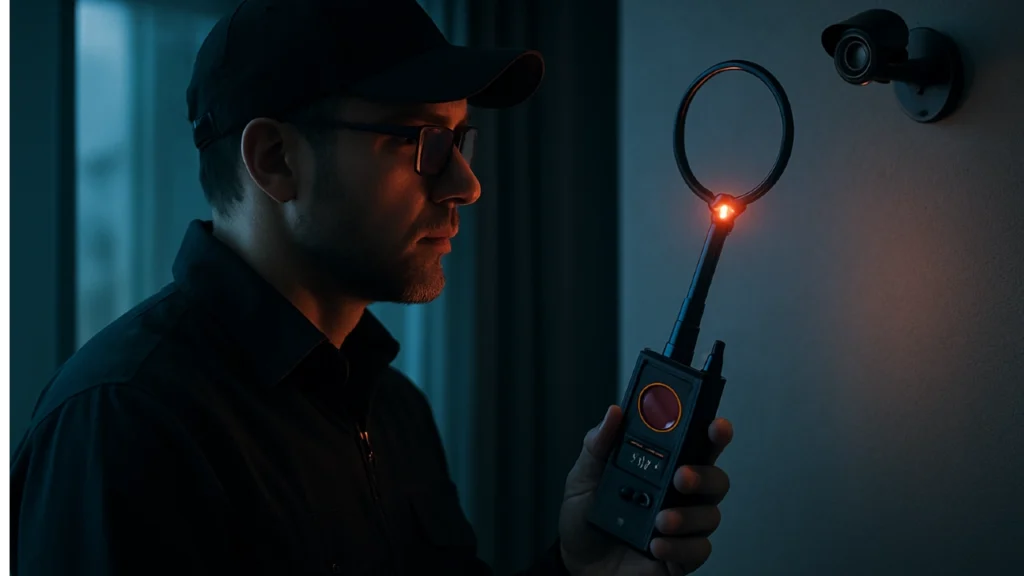
Electronic bug sweepers are devices designed to detect and locate hidden surveillance equipment, such as cameras, microphones, and other listening devices. These tools are essential for individuals and organizations concerned about privacy and security. The technology behind bug sweepers varies, but they typically operate by identifying radio frequencies, electromagnetic signals, or physical anomalies that may indicate the presence of unauthorized surveillance devices. As privacy concerns grow in an increasingly connected world, the demand for effective bug sweeping solutions has also risen.
The functionality of electronic bug sweepers can range from simple handheld devices to sophisticated systems capable of scanning large areas. Users can employ these tools in various settings, from personal residences to corporate offices. Understanding how these devices work is crucial for anyone considering their use, as it allows for more effective deployment and maximizes the chances of detecting potential threats. The effectiveness of a bug sweeper often depends on its sensitivity, range, and the specific technologies it employs to identify hidden devices.
If you’re interested in learning more about the importance of electronic bug sweepers and how they can help protect your privacy, you might find this related article insightful. It discusses various investigative techniques, including the use of advanced technology to detect hidden surveillance devices. For more information, you can read the article here: Claims Investigations in Ann Arbor.
Key Takeaways
- Electronic bug sweepers detect hidden surveillance devices to protect your privacy.
- Various types of bug sweepers exist, each suited for different detection needs and environments.
- Regular use of bug sweepers is crucial for ongoing privacy protection in sensitive areas.
- Legal considerations must be understood before using bug sweepers to ensure compliance.
- Combining bug sweepers with other privacy measures enhances overall security effectiveness.
How Electronic Bug Sweepers Protect Your Privacy
The primary function of electronic bug sweepers is to safeguard personal and organizational privacy by identifying unauthorized surveillance equipment. In an age where information is a valuable commodity, the risk of being monitored without consent has increased significantly. Bug sweepers help mitigate this risk by providing users with the means to detect and neutralize potential threats to their privacy. By regularly scanning environments for hidden devices, individuals can maintain a greater sense of security and control over their personal information.
Moreover, the use of electronic bug sweepers can serve as a deterrent against potential intrusions. Knowing that a space is regularly swept for bugs may discourage malicious actors from attempting to install surveillance equipment in the first place. This proactive approach to privacy protection not only enhances personal security but also fosters a culture of respect for privacy rights within organizations. As awareness of privacy issues continues to grow, the role of electronic bug sweepers in protecting sensitive information becomes increasingly significant.
Types of Electronic Bug Sweepers

There are several types of electronic bug sweepers available on the market, each designed to cater to different needs and environments. Handheld bug sweepers are among the most common types, offering portability and ease of use. These devices typically feature built-in antennas that can detect radio frequencies emitted by wireless cameras and microphones. Handheld models are ideal for personal use or small-scale applications, allowing users to conduct quick sweeps of their immediate surroundings.
On the other hand, more advanced bug sweepers may include features such as spectrum analyzers and thermal imaging capabilities. These devices can provide a more comprehensive analysis of an environment, detecting not only radio frequencies but also physical anomalies that may indicate hidden surveillance equipment. Some models are designed for professional use and can cover larger areas or multiple rooms simultaneously. Understanding the different types of electronic bug sweepers available can help users select the most appropriate device for their specific needs.
Where Electronic Bug Sweepers Can Be Used
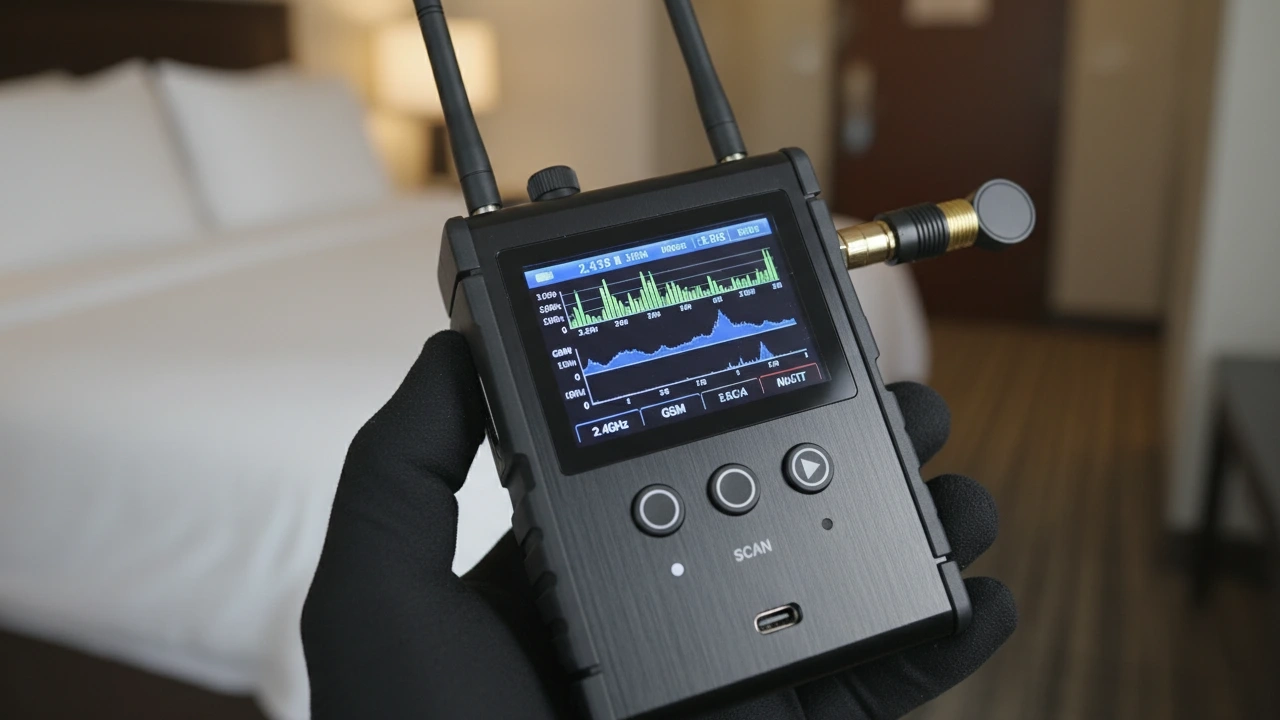
Electronic bug sweepers can be utilized in a variety of settings where privacy is a concern. Residential spaces, such as homes and apartments, are common locations for bug sweeps, especially for individuals who suspect they may be under surveillance. In these environments, users can scan their living spaces for hidden cameras or listening devices that could compromise their privacy.
Corporate environments also benefit from the use of electronic bug sweepers. Businesses often handle sensitive information that could be targeted by competitors or malicious actors. Regularly sweeping offices, conference rooms, and other areas where confidential discussions take place can help protect proprietary information and maintain a competitive edge. Additionally, public spaces such as hotels or rental properties may warrant bug sweeps to ensure guests’ privacy is respected during their stay.
If you’re considering the use of electronic bug sweepers to ensure your privacy, you might find it helpful to read about the importance of background checks in maintaining security. Understanding the potential risks associated with surveillance can enhance your awareness of personal safety measures. For more insights, check out this informative article on background checks in Livonia, which discusses how thorough investigations can help protect you from unwanted intrusions.
Benefits of Using Electronic Bug Sweepers
| Metric | Description | Typical Range | Unit |
|---|---|---|---|
| Frequency Detection Range | Range of frequencies the bug sweeper can detect | 1 MHz – 6 GHz | MHz / GHz |
| Detection Sensitivity | Minimum signal strength detectable | -120 to -90 | dBm |
| Battery Life | Operational time on a full charge | 4 – 8 | Hours |
| Weight | Device weight for portability | 150 – 400 | Grams |
| Detection Modes | Types of detection available (e.g., RF, infrared) | 1 – 3 | Modes |
| Display Type | Type of user interface display | LED / LCD / OLED | Type |
| Price Range | Typical market price range | 100 – 1000 | Units |
The benefits of using electronic bug sweepers extend beyond mere detection of surveillance devices. One significant advantage is the peace of mind they provide to users. Knowing that one has taken proactive steps to protect their privacy can alleviate anxiety related to potential monitoring. This sense of security is particularly important for individuals in high-profile positions or those handling sensitive information.
Another benefit is the potential for increased trust within organizations. When employees know that their workplace is regularly monitored for unauthorized surveillance, they may feel more secure in sharing ideas and discussing confidential matters. This trust can lead to improved collaboration and innovation within teams. Furthermore, using electronic bug sweepers can enhance an organization’s reputation by demonstrating a commitment to protecting employee privacy and fostering a safe working environment.
Legal Considerations for Using Electronic Bug Sweepers
For more information about our coverage, please Check our services area.
While electronic bug sweepers can be valuable tools for protecting privacy, users must also be aware of the legal implications associated with their use. Laws regarding surveillance and privacy vary significantly by jurisdiction, and it is essential to understand these regulations before conducting a bug sweep. In some areas, using a bug sweeper may be permissible only under specific circumstances or may require consent from all parties involved.
Additionally, while detecting unauthorized surveillance equipment is generally legal, tampering with or disabling such devices may lead to legal consequences. Users should familiarize themselves with local laws governing surveillance and privacy to ensure compliance while conducting bug sweeps. Consulting with legal professionals can provide clarity on these matters and help users navigate any potential legal challenges.
Choosing the Right Electronic Bug Sweeper for Your Needs
Selecting the appropriate electronic bug sweeper involves considering several factors, including the intended use, budget, and desired features. For personal use, a handheld model may suffice, offering portability and ease of operation at a lower cost. However, individuals with more complex needs or those requiring professional-grade equipment may opt for advanced models with additional features such as spectrum analysis or thermal imaging.
Budget is another critical consideration when choosing a bug sweeper. Prices can vary widely based on the device’s capabilities and brand reputation. It is essential to balance cost with functionality to ensure that the selected device meets specific requirements without overspending. Researching user reviews and expert recommendations can also aid in making an informed decision about which electronic bug sweeper best suits individual needs.
Tips for Conducting an Effective Bug Sweep
Conducting an effective bug sweep requires careful planning and execution to maximize the chances of detecting hidden surveillance devices.
First, it is essential to choose an appropriate time for the sweep when the area is quiet and free from distractions.
This allows for better focus on identifying any potential threats without interference from background noise or other activities.
When using an electronic bug sweeper, it is advisable to start at one corner of the room and methodically work your way around the space. This systematic approach ensures that no area is overlooked during the sweep. Additionally, users should pay attention to common hiding spots for surveillance devices, such as behind furniture, inside vents, or near electrical outlets. Taking notes during the process can help track areas that require further inspection or additional sweeps in the future.
Signs That You May Need to Use an Electronic Bug Sweeper
There are several signs that may indicate the need for an electronic bug sweeper. Unexplained changes in behavior among individuals in a shared space can be a red flag; if people seem unusually cautious or secretive, it may warrant further investigation into potential surveillance concerns. Additionally, if there are indications that someone has gained unauthorized access to sensitive information or if there have been recent security breaches within an organization, conducting a bug sweep could be prudent.
Physical signs may also suggest the presence of surveillance devices. Unusual objects in familiar settings or signs of tampering with existing equipment can raise suspicions about unauthorized monitoring efforts. If individuals notice strange noises or interference on electronic devices during conversations, it may indicate that they are being monitored. Recognizing these signs can prompt timely action to protect privacy through the use of electronic bug sweepers.
The Importance of Regularly Using Electronic Bug Sweepers
Regularly using electronic bug sweepers is crucial for maintaining ongoing privacy protection. Surveillance threats can evolve over time as technology advances and new methods of monitoring emerge. By conducting routine sweeps, individuals and organizations can stay ahead of potential intrusions and ensure that their environments remain secure.
Moreover, regular sweeps foster a culture of vigilance regarding privacy issues. When individuals make it a habit to check for unauthorized surveillance regularly, it reinforces the importance of privacy protection within their personal lives or workplaces. This proactive approach not only helps identify existing threats but also serves as a deterrent against future attempts at unauthorized monitoring.
Additional Steps for Protecting Your Privacy
In addition to using electronic bug sweepers, there are several other steps individuals can take to enhance their privacy protection efforts. Implementing strong cybersecurity measures is essential in today’s digital landscape; this includes using secure passwords, enabling two-factor authentication, and regularly updating software on devices to protect against vulnerabilities.
Physical security measures should also be considered alongside electronic bug sweeping efforts. Installing locks on doors and windows, using security cameras in public areas (while respecting privacy laws), and being mindful of who has access to sensitive spaces can further safeguard against unauthorized monitoring. By combining various strategies for privacy protection, individuals can create a comprehensive approach that addresses both physical and digital threats effectively.
In conclusion, electronic bug sweepers serve as valuable tools in safeguarding privacy across various settings. Understanding their functionality, types, and applications allows users to make informed decisions about their use while considering legal implications and best practices for effective deployment. By regularly utilizing these devices alongside other privacy protection measures, individuals and organizations can enhance their security in an increasingly monitored world.
FAQs
What is an electronic bug sweeper?
An electronic bug sweeper is a device used to detect and locate hidden electronic surveillance devices, such as listening bugs, hidden cameras, and GPS trackers. It scans for radio frequencies and signals emitted by these devices to help identify their presence.
How does an electronic bug sweeper work?
Electronic bug sweepers work by scanning a range of radio frequencies and electromagnetic signals. When a hidden surveillance device transmits data, the bug sweeper detects the signal and alerts the user, often through visual or audio indicators.
What types of signals can electronic bug sweepers detect?
Bug sweepers can detect various types of signals, including radio frequency (RF) transmissions, infrared signals, magnetic fields, and sometimes even wired surveillance devices depending on the model and technology used.
Are electronic bug sweepers legal to use?
In most countries, it is legal to use electronic bug sweepers for personal privacy protection. However, laws vary by jurisdiction, so it is important to check local regulations before using or purchasing a bug sweeper.
Can electronic bug sweepers detect all types of bugs?
While electronic bug sweepers are effective at detecting many types of wireless bugs, they may not detect devices that are turned off, use non-transmitting technology, or employ advanced encryption. Some bugs may also use frequencies outside the detection range of certain sweepers.
How often should I perform a bug sweep?
The frequency of bug sweeps depends on your security needs. For high-risk environments, regular sweeps may be necessary, while occasional checks may suffice for personal use. It is advisable to perform a sweep whenever you suspect surveillance or after a security breach.
Can electronic bug sweepers detect hidden cameras?
Yes, many electronic bug sweepers can detect hidden cameras by identifying their wireless signals or infrared light emissions. Some models also include features specifically designed to locate camera lenses.
What should I do if my bug sweeper detects a device?
If a bug sweeper detects a suspicious device, you should carefully inspect the area to locate and remove it. It may also be advisable to consult with a professional security expert or law enforcement, especially if you suspect illegal surveillance.
Are electronic bug sweepers difficult to use?
Most modern electronic bug sweepers are designed to be user-friendly, with simple controls and clear indicators. However, understanding how to interpret signals and conduct thorough sweeps may require some practice or professional guidance.
Where can I buy an electronic bug sweeper?
Electronic bug sweepers are available from specialized security equipment retailers, online marketplaces, and some electronics stores. It is important to purchase from reputable sources to ensure the device’s quality and effectiveness.