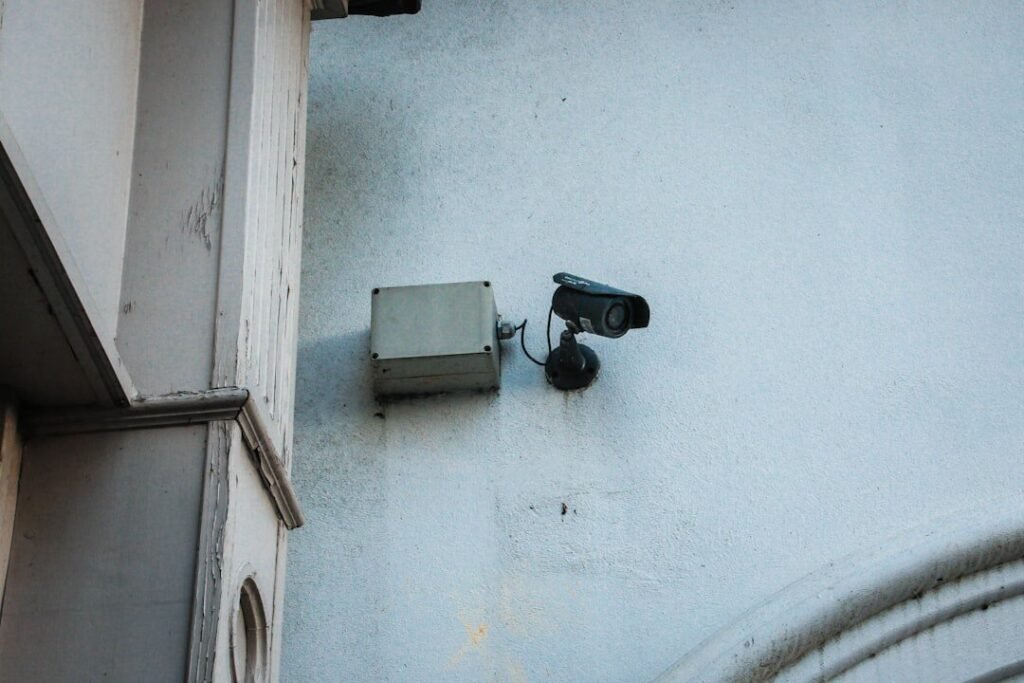
Wiretapping, a term that evokes a myriad of emotions and opinions, refers to the interception of telephone or electronic communications by a third party. This practice has evolved significantly since its inception, transitioning from rudimentary methods of eavesdropping to sophisticated digital surveillance techniques. Initially employed for law enforcement purposes, wiretapping has become a contentious issue, raising questions about privacy, legality, and ethics.
The advent of technology has not only expanded the capabilities of wiretapping but has also blurred the lines between legitimate surveillance and invasive monitoring. The historical context of wiretapping reveals its dual nature; it serves as a tool for both protection and intrusion. On one hand, it can be instrumental in thwarting criminal activities and ensuring national security.
On the other hand, it poses significant risks to individual privacy rights and civil liberties. As society grapples with the implications of wiretapping, it becomes increasingly important to understand its legal framework, ethical considerations, and the broader societal impact.
Key Takeaways
- Wiretapping raises significant legal and ethical concerns related to privacy rights.
- It plays a critical role in national security but often sparks debate over its effectiveness.
- Historical and controversial cases highlight the complexities and public skepticism surrounding wiretapping.
- Advances in technology continuously shape how wiretapping is conducted and regulated.
- Ongoing discussions focus on balancing individual privacy with the need for security measures.
The Legal and Ethical Issues of Wiretapping
The legal landscape surrounding wiretapping is complex and varies significantly across jurisdictions. In the United States, the Wiretap Act of 1968 established the legal parameters for electronic surveillance, requiring law enforcement agencies to obtain a warrant based on probable cause before intercepting communications. This legislation was designed to protect citizens from unwarranted invasions of privacy while allowing for necessary surveillance in criminal investigations.
However, subsequent amendments and interpretations have led to a patchwork of regulations that can sometimes undermine these protections. Ethically, wiretapping raises profound questions about consent and the right to privacy. The principle of informed consent is central to ethical communication practices; however, wiretapping often occurs without the knowledge or consent of the individuals being monitored.
This lack of transparency can lead to a significant erosion of trust between citizens and their government or institutions. Moreover, the ethical implications extend beyond individual cases; they encompass broader societal values regarding freedom, autonomy, and the role of government in citizens’ lives.
The Impact of Wiretapping on Privacy

The impact of wiretapping on privacy is profound and multifaceted. As technology advances, the ability to monitor communications has become increasingly sophisticated, allowing for not just the interception of phone calls but also the collection of data from emails, text messages, and social media interactions. This pervasive surveillance can create a chilling effect on free expression, as individuals may alter their behavior if they believe they are being watched.
The fear of being monitored can stifle open dialogue and discourage dissenting opinions, which are essential components of a healthy democracy. Furthermore, the implications of wiretapping extend beyond individual privacy concerns; they raise questions about the collective privacy of communities and society at large. When wiretapping is employed indiscriminately or without proper oversight, it can lead to systemic violations of privacy rights.
Marginalized communities often bear the brunt of such surveillance practices, facing disproportionate scrutiny and monitoring. This not only exacerbates existing inequalities but also fosters an environment of fear and mistrust among those who feel targeted by state surveillance.
The Role of Wiretapping in National Security
| Metric | Description | Example Data | Impact on National Security |
|---|---|---|---|
| Number of Wiretapping Requests | Requests made by government agencies to intercept communications | 15,000 (2023) | Indicates the scale of surveillance efforts to prevent threats |
| Percentage of Approved Wiretapping Requests | Proportion of requests authorized by courts or oversight bodies | 85% | Reflects legal oversight and balance between security and privacy |
| Number of Terrorist Plots Disrupted | Incidents where wiretapping contributed to foiling attacks | 25 (2023) | Demonstrates effectiveness in preventing national security threats |
| Average Duration of Wiretapping | Typical length of authorized surveillance periods | 3 months | Ensures targeted and time-limited monitoring |
| Incidents of Unauthorized Wiretapping | Cases where wiretapping was conducted without proper authorization | 5 reported cases (2023) | Highlights risks to civil liberties and need for accountability |
| Public Approval Rate | Percentage of population supporting wiretapping for security | 60% | Indicates societal acceptance and trust in security measures |
Wiretapping has long been justified as a necessary tool for national security, particularly in the context of counterterrorism efforts. Following events such as the September 11 attacks in 2001, there was a significant expansion in surveillance capabilities under laws like the USA PATRIOT Act. Proponents argue that wiretapping is essential for identifying and preventing potential threats before they materialize.
By intercepting communications between suspected terrorists or criminal organizations, law enforcement agencies can gather critical intelligence that may save lives. However, this reliance on wiretapping for national security raises important questions about oversight and accountability. The balance between ensuring public safety and protecting civil liberties is delicate; excessive surveillance can lead to abuses of power and violations of constitutional rights.
Critics argue that the broad application of wiretapping in the name of national security often lacks transparency and oversight, resulting in a culture of impunity where individuals are monitored without just cause. This tension between security needs and civil liberties continues to fuel debates about the appropriate limits of government surveillance.
The Debate on the Effectiveness of Wiretapping
The effectiveness of wiretapping as a law enforcement tool is a subject of ongoing debate among policymakers, law enforcement officials, and civil liberties advocates. Proponents assert that wiretapping has been instrumental in solving crimes and preventing terrorist attacks. They cite instances where intercepted communications have led to arrests or thwarted plots as evidence of its efficacy.
Conversely, critics question whether wiretapping is truly effective in achieving its intended goals. They argue that reliance on electronic surveillance can lead to an overemphasis on technology at the expense of traditional investigative methods such as community engagement and informant networks.
Additionally, there are concerns about false positives and misinterpretations that can arise from intercepted communications. The potential for misidentifying individuals as threats based on incomplete or out-of-context information raises ethical concerns about due process and wrongful accusations.
The History of Wiretapping in the United States

The history of wiretapping in the United States is marked by significant legal battles and evolving societal attitudes toward privacy and surveillance. The practice began in earnest during the early 20th century when law enforcement agencies sought new methods to combat organized crime and political dissent. The first major legal challenge to wiretapping occurred in 1928 with the Supreme Court case Olmstead United States, which upheld the use of wiretaps without a warrant based on the notion that individuals had no reasonable expectation of privacy in their communications.
However, public sentiment began to shift in response to growing concerns about government overreach and civil liberties violations. The Watergate scandal in the 1970s further fueled skepticism about government surveillance practices, leading to increased calls for regulation. In response, Congress enacted the Foreign Intelligence Surveillance Act (FISA) in 1978, establishing a framework for monitoring foreign communications while providing some protections for American citizens.
This marked a turning point in the legal landscape surrounding wiretapping, as it introduced greater oversight mechanisms aimed at curbing abuses.
The Technology Behind Wiretapping
The technological advancements that have accompanied the digital age have transformed wiretapping from a relatively straightforward process into a complex operation involving various tools and methodologies. Traditional wiretaps involved physically connecting devices to telephone lines; however, modern wiretapping can occur through digital means such as internet protocol (IP) monitoring and data interception from mobile devices.
Moreover, advancements in artificial intelligence (AI) and machine learning have enabled more sophisticated analysis of intercepted communications. Algorithms can sift through large datasets to identify patterns or anomalies that may indicate criminal activity or threats to national security. While these technologies enhance surveillance capabilities, they also raise ethical concerns regarding data privacy and the potential for misuse.
The ability to analyze vast amounts of personal data can lead to profiling individuals based on their online behavior, further complicating the already contentious relationship between technology and privacy rights.
The Controversial Cases of Wiretapping
Throughout history, several high-profile cases have brought wiretapping into the public eye, highlighting its controversial nature and sparking debates about legality and ethics. One notable example is the case involving former President Richard Nixon during the Watergate scandal. The revelation that Nixon’s administration had engaged in illegal wiretaps to monitor political opponents led to widespread outrage and ultimately contributed to his resignation.
This case underscored the potential for abuse when powerful entities exploit surveillance capabilities for political gain. Another significant case is that of Edward Snowden, who leaked classified information about the National Security Agency’s (NSA) mass surveillance programs in 2013. Snowden’s revelations exposed the extent to which wiretapping was being conducted on both foreign nationals and American citizens without proper oversight or transparency.
The fallout from these disclosures ignited a global debate about privacy rights versus national security interests, prompting calls for reform in surveillance practices.
The Public Opinion on Wiretapping
Public opinion on wiretapping is deeply divided, reflecting broader societal tensions regarding privacy and security. Polls conducted over the years reveal fluctuating levels of support for surveillance practices depending on current events and perceived threats. Following terrorist attacks or high-profile criminal cases, there tends to be an uptick in public support for increased surveillance measures as citizens prioritize safety over privacy concerns.
However, this support often wanes when revelations about government overreach or abuses come to light. For instance, following Snowden’s disclosures about NSA surveillance programs, many Americans expressed outrage over perceived violations of their privacy rights. Advocacy groups have since mobilized efforts to raise awareness about the implications of unchecked surveillance practices, emphasizing the need for transparency and accountability in government actions.
The Future of Wiretapping Laws and Regulations
As technology continues to evolve at an unprecedented pace, so too must the laws governing wiretapping and electronic surveillance. Policymakers face the challenge of crafting regulations that balance national security needs with individual privacy rights while keeping pace with rapid technological advancements. Legislative efforts such as updates to FISA or new proposals aimed at enhancing oversight mechanisms reflect ongoing attempts to address these challenges.
Moreover, international perspectives on wiretapping laws are increasingly relevant as globalization blurs national boundaries in communication technologies. Countries around the world grapple with similar issues regarding privacy rights versus security needs; thus, international cooperation may become essential in establishing norms around electronic surveillance practices. As public awareness grows regarding these issues, there may be increased pressure on governments to adopt more stringent regulations that prioritize individual rights while still addressing legitimate security concerns.
Finding a Balance Between Privacy and Security
The quest for a balance between privacy rights and national security interests remains one of the most pressing challenges facing modern societies today. Striking this balance requires careful consideration of various factors including technological advancements, legal frameworks, ethical principles, and public sentiment. Policymakers must navigate complex terrain where competing interests often clash; however, fostering an open dialogue among stakeholders can facilitate more informed decision-making.
Engaging citizens in discussions about their expectations regarding privacy can help shape policies that reflect societal values while addressing legitimate security concerns. Additionally, implementing robust oversight mechanisms can ensure accountability within surveillance practices while safeguarding individual rights against potential abuses. Ultimately, finding this balance is not merely a legal or technical challenge; it is fundamentally about upholding democratic principles that respect both individual freedoms and collective safety in an increasingly interconnected world.
Wiretapping is a complex issue that raises significant legal and ethical questions regarding privacy and surveillance. For those interested in understanding the broader implications of such practices, a related article can be found in the FAQs section of the Metro Detective Agency website. This resource provides insights into the legalities surrounding wiretapping and other privacy concerns. You can read more about it