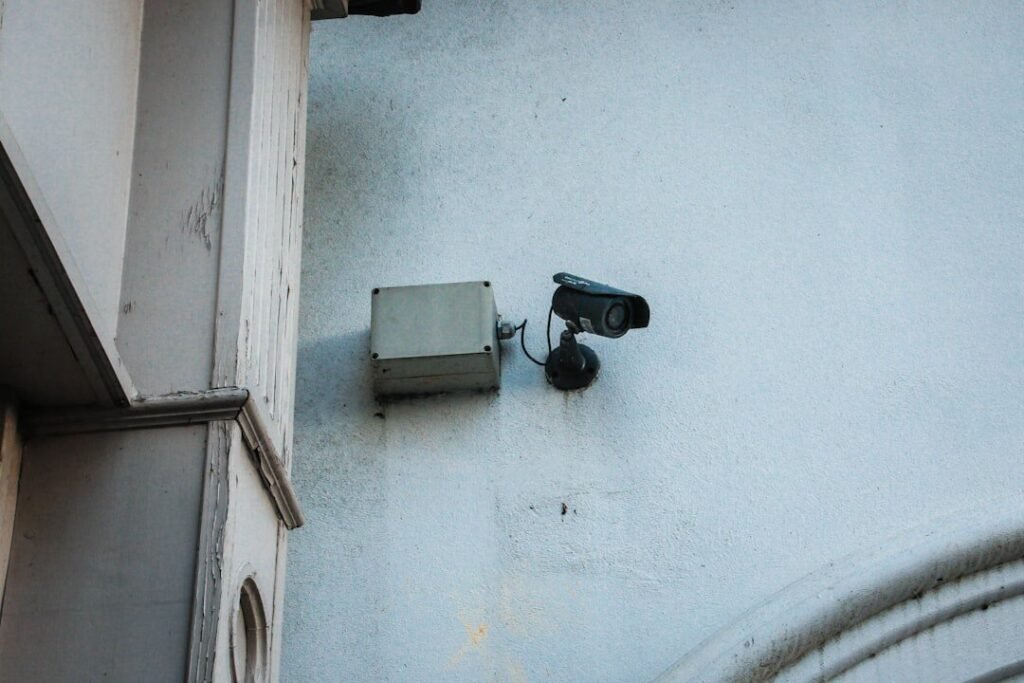
The concept of hidden cameras can be traced back to the early 20th century, when the advent of motion picture technology began to revolutionize the way people captured and recorded images. The first known hidden camera was developed in the 1890s by a French inventor named Louis Le Prince, who created a small, portable camera that could be concealed in various objects. However, it wasn’t until the 1960s that hidden cameras began to gain popularity for surveillance purposes.
During this time, the rise of espionage and the need for covert observation led to the development of more sophisticated devices that could be easily concealed.
The introduction of miniature cameras in the 1970s allowed for even greater concealment, making it possible to hide cameras in everyday objects such as smoke detectors, alarm clocks, and even stuffed animals.
This period marked a significant turning point in the use of hidden cameras, as they became more accessible to the general public and were increasingly used for both legitimate and nefarious purposes. The proliferation of these devices raised important questions about privacy and ethics, setting the stage for ongoing debates that continue to this day.
Key Takeaways
- Hidden cameras have evolved significantly from bulky devices to compact, advanced technology.
- Various types of hidden cameras serve different purposes, from law enforcement to journalism.
- Legal and ethical considerations are crucial when using or encountering hidden cameras.
- Detecting hidden cameras requires awareness of common hiding spots and technology.
- Protecting privacy involves understanding risks and implementing practical countermeasures.
The Evolution of Hidden Camera Technology
The evolution of hidden camera technology has been marked by rapid advancements in both miniaturization and image quality. In the early days, hidden cameras were bulky and often required significant setup time. However, with the advent of digital technology in the late 20th century, cameras became smaller, lighter, and more efficient.
The introduction of CMOS sensors allowed for high-quality image capture in compact formats, enabling the creation of cameras that could be easily integrated into everyday objects without drawing attention. In recent years, the integration of wireless technology has further transformed hidden camera capabilities. Modern hidden cameras can transmit video feeds in real-time to smartphones or computers, allowing users to monitor their surroundings remotely.
Additionally, advancements in battery technology have led to longer-lasting devices that can operate for extended periods without needing a power source. The development of motion detection and night vision features has also enhanced the functionality of hidden cameras, making them more versatile for various applications, from home security to covert surveillance.
The Different Types of Hidden Cameras
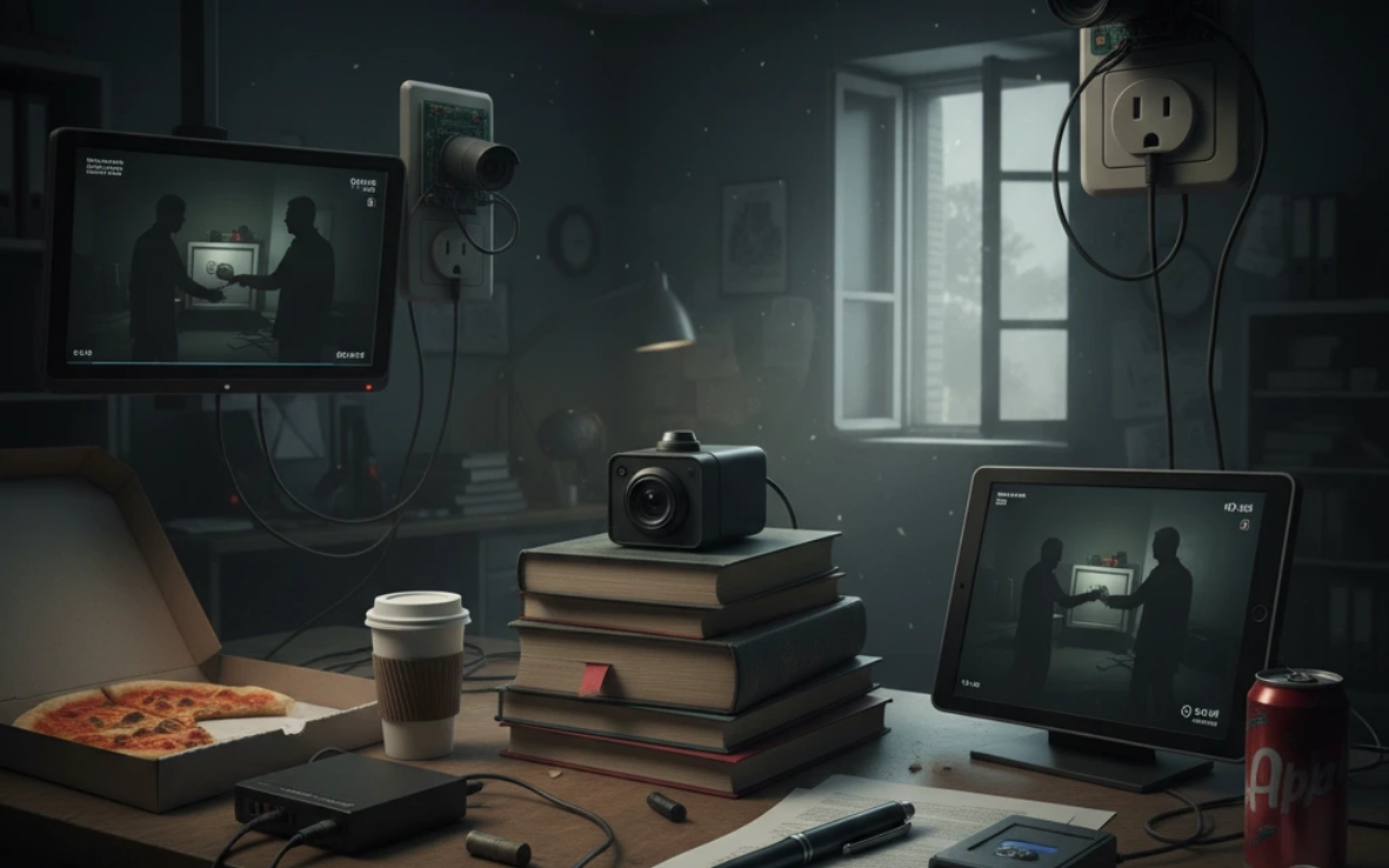
Hidden cameras come in a variety of forms, each designed for specific purposes and environments. One common type is the pinhole camera, which is characterized by its small size and ability to capture images from discreet locations. These cameras can be embedded in walls, ceilings, or furniture, making them ideal for covert surveillance in homes or businesses.
Another popular type is the body-worn camera, often used by law enforcement or security personnel. These devices can be attached to clothing or accessories, allowing for hands-free recording while maintaining a low profile. In addition to these traditional forms, technological advancements have led to the emergence of more innovative hidden camera designs.
For instance, some cameras are now integrated into everyday objects such as smoke detectors, picture frames, or even USB chargers. This integration allows for seamless surveillance without raising suspicion. Moreover, there are also specialized hidden cameras designed for specific environments, such as outdoor weatherproof models or those equipped with infrared capabilities for low-light conditions.
Each type serves a unique purpose and caters to different surveillance needs.
The Legal and Ethical Implications of Using Hidden Cameras
| Aspect | Metric/Consideration | Description | Implications |
|---|---|---|---|
| Legal | Consent Requirements | Whether explicit or implied consent is required before recording | Violating consent laws can lead to criminal charges or civil lawsuits |
| Legal | Jurisdictional Variations | Differences in laws between states or countries regarding hidden cameras | Compliance requires understanding local laws to avoid penalties |
| Legal | Expectation of Privacy | Areas where individuals have a reasonable expectation of privacy (e.g., bathrooms, bedrooms) | Recording in these areas is typically illegal and unethical |
| Ethical | Informed Consent | Whether individuals are informed about being recorded | Hidden recording without consent can breach trust and ethical standards |
| Ethical | Purpose of Recording | Intent behind using hidden cameras (e.g., security, evidence gathering, invasion) | Ethical justification varies based on purpose and potential harm |
| Ethical | Data Handling | How recorded footage is stored, used, and shared | Improper handling can lead to privacy violations and misuse |
| Ethical | Impact on Relationships | Effect of hidden surveillance on trust between parties | Can damage personal or professional relationships if discovered |
The use of hidden cameras raises significant legal and ethical questions that vary widely across jurisdictions. In many countries, laws govern where and how surveillance can occur, particularly concerning privacy rights. For instance, in the United States, federal law permits video recording in public spaces where there is no reasonable expectation of privacy; however, state laws can impose stricter regulations.
Some states require consent from individuals being recorded, while others may allow covert recording under specific circumstances. This patchwork of laws creates confusion and potential legal pitfalls for those considering the use of hidden cameras. Ethically, the implications are equally complex.
While hidden cameras can serve legitimate purposes—such as enhancing security or gathering evidence—they can also infringe on personal privacy and trust. The act of recording someone without their knowledge can lead to feelings of betrayal and violation. This ethical dilemma is particularly pronounced in sensitive environments like homes or workplaces, where individuals expect a certain level of privacy.
As technology continues to evolve, society must grapple with balancing the benefits of surveillance against the fundamental right to privacy.
How to Detect Hidden Cameras
Detecting hidden cameras can be a challenging task due to their increasingly sophisticated designs and concealment methods. However, there are several techniques individuals can employ to identify potential surveillance devices. One effective method is to conduct a thorough visual inspection of the environment.
Look for unusual objects or items that seem out of place—such as smoke detectors with odd angles or decorative items that appear too new or out of context. Additionally, check for small holes or lenses that may indicate a camera’s presence. Another approach involves using technology to aid detection.
Smartphone apps designed to detect hidden cameras can scan for wireless signals emitted by these devices. Some apps utilize infrared technology to identify camera lenses by detecting reflections from their surfaces. Furthermore, using a flashlight can help reveal hidden cameras; shining a light on potential hiding spots may expose lens reflections that are otherwise difficult to see with the naked eye.
While no method is foolproof, combining these techniques can increase the likelihood of successfully identifying hidden surveillance equipment.
The Impact of Hidden Cameras on Privacy
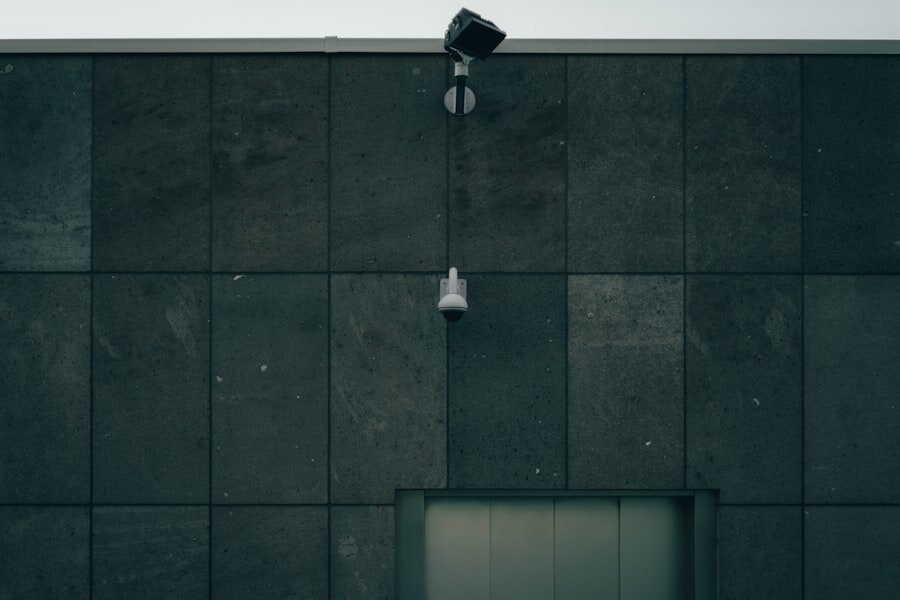
The proliferation of hidden cameras has had a profound impact on societal perceptions of privacy. As these devices become more commonplace in both public and private spaces, individuals are increasingly aware that they may be under surveillance at any given moment. This awareness can lead to a chilling effect on personal behavior; people may alter their actions or refrain from expressing themselves freely due to concerns about being recorded without consent.
Moreover, the normalization of hidden cameras has sparked debates about what constitutes acceptable surveillance practices. In some cases, individuals may argue that hidden cameras enhance safety and security; however, others contend that they erode trust within communities and foster an environment of suspicion. The balance between security needs and personal privacy rights remains a contentious issue as society navigates the implications of living in an age where surveillance is ubiquitous.
Famous Cases of Hidden Camera Surveillance
Throughout history, there have been several high-profile cases involving hidden camera surveillance that have captured public attention and sparked controversy. One notable example is the case involving former New England Patriots owner Robert Kraft, who was implicated in a scandal involving hidden cameras at a massage parlor in Florida. The incident raised questions about privacy rights and the legality of using surveillance footage as evidence in criminal cases.
Another infamous case occurred in 2017 when a hotel guest discovered hidden cameras installed in their room at a South Korean hotel. The incident led to widespread outrage and prompted discussions about the need for stricter regulations regarding surveillance in hospitality settings. These cases highlight not only the potential misuse of hidden cameras but also the broader societal implications surrounding privacy violations and consent.
The Role of Hidden Cameras in Law Enforcement
Hidden cameras play a crucial role in law enforcement operations by providing valuable evidence in criminal investigations. Law enforcement agencies often utilize covert surveillance techniques to monitor criminal activity or gather intelligence on suspects without alerting them to their presence. For instance, undercover officers may use body-worn cameras to document interactions with suspects during sting operations or drug busts.
Additionally, hidden cameras can be instrumental in gathering evidence for court cases. Video footage obtained through covert surveillance can serve as critical evidence in proving guilt or innocence during trials. However, law enforcement agencies must navigate legal and ethical considerations when employing hidden cameras; obtaining warrants and adhering to privacy laws are essential steps to ensure that evidence collected is admissible in court.
The Use of Hidden Cameras in Journalism and Investigative Reporting
In journalism and investigative reporting, hidden cameras have become valuable tools for uncovering corruption, misconduct, and unethical practices within various industries. Investigative journalists often employ covert surveillance techniques to expose wrongdoing that may otherwise remain hidden from public view. For example, undercover reporters may use hidden cameras to document illegal activities within businesses or government agencies.
While the use of hidden cameras can yield significant revelations and hold powerful entities accountable, it also raises ethical dilemmas regarding consent and privacy rights. Journalists must carefully consider when it is appropriate to use covert surveillance and ensure that their actions align with ethical standards within the profession. Balancing the public’s right to know with individuals’ rights to privacy remains a critical challenge for journalists employing hidden camera techniques.
The Rise of Hidden Cameras in the Home and Workplace
The rise of smart home technology has led to an increase in the use of hidden cameras within residential settings. Homeowners often install these devices for security purposes—to monitor their properties while away or keep an eye on children or pets during the day. Many modern home security systems now include integrated hidden cameras that can be accessed remotely via smartphones or tablets.
In workplace environments, employers may utilize hidden cameras for various reasons, including monitoring employee productivity or ensuring compliance with safety regulations. However, this practice raises significant concerns regarding employee privacy rights and workplace trust dynamics. Striking a balance between legitimate business interests and respecting employees’ rights is essential as organizations navigate the complexities associated with surveillance technologies.
Tips for Protecting Yourself from Hidden Camera Surveillance
To protect oneself from potential hidden camera surveillance, individuals can take several proactive measures. First and foremost, being aware of one’s surroundings is crucial; regularly inspecting personal spaces—such as hotel rooms or rental properties—for unusual objects or signs of tampering can help identify potential surveillance devices early on. Additionally, utilizing technology designed for detecting hidden cameras can enhance personal security efforts.
Investing in specialized detection devices or smartphone apps can provide an added layer of protection against unwanted surveillance. Furthermore, maintaining open communication about privacy expectations with employers or service providers can help establish boundaries regarding surveillance practices. Lastly, educating oneself about local laws governing surveillance can empower individuals to advocate for their rights effectively.
Understanding what constitutes acceptable surveillance practices within specific jurisdictions enables individuals to make informed decisions about their privacy and take appropriate action if they suspect they are being monitored without consent.
Hidden cameras can raise significant privacy concerns, making it essential to understand the legal implications surrounding their use. For those interested in family dynamics and the potential need for surveillance in sensitive situations, the article on family investigations provides valuable insights. It discusses how private investigators can assist in navigating complex family issues while respecting privacy laws.
FAQs
What are hidden cameras?
Hidden cameras are small surveillance devices designed to be concealed or disguised within everyday objects to record video or capture images without being easily detected.
Where are hidden cameras commonly used?
Hidden cameras are often used for security purposes in homes, offices, and public places. They can also be used for monitoring nannies, employees, or for investigative journalism.
Are hidden cameras legal to use?
The legality of hidden cameras varies by jurisdiction. Generally, it is legal to use hidden cameras in private property you own, but recording individuals without their consent in private settings may violate privacy laws.
What types of objects can hidden cameras be hidden in?
Hidden cameras can be concealed in everyday items such as clocks, smoke detectors, pens, USB chargers, picture frames, and even clothing.
How do hidden cameras transmit footage?
Some hidden cameras record footage locally onto memory cards, while others transmit live video wirelessly via Wi-Fi or cellular networks to a remote device or cloud storage.
Can hidden cameras record audio as well as video?
Many hidden cameras are equipped with microphones to capture audio, but audio recording laws are often stricter than video, so users should be aware of local regulations.
How can one detect hidden cameras?
Hidden cameras can be detected using specialized devices such as RF detectors, infrared scanners, or by conducting thorough physical inspections of suspicious objects.
What are the privacy concerns related to hidden cameras?
Hidden cameras can infringe on personal privacy if used without consent, especially in private areas like bathrooms or bedrooms, leading to legal and ethical issues.
Are there any technological advancements in hidden cameras?
Yes, advancements include higher resolution video, improved battery life, wireless connectivity, motion detection, and integration with smart home systems.
How can I protect myself from unauthorized hidden cameras?
To protect against unauthorized hidden cameras, regularly inspect your environment, use camera detection devices, cover suspicious objects, and be cautious about sharing private spaces.