Protecting Privacy: The Importance of Bug Sweeps and Technical Surveillance Countermeasures
In an era where privacy is increasingly under threat from sophisticated surveillance technologies, protecting your confidential conversations and sensitive information has never been more critical. Bug sweeps—professional technical surveillance countermeasures (TSCM)—provide essential protection against covert listening devices, hidden cameras, and other surveillance threats that can compromise your privacy, steal proprietary information, and violate your fundamental rights. Whether you’re a business executive protecting trade secrets, an individual concerned about domestic surveillance, or anyone who values privacy, understanding the importance of bug sweeps is crucial for maintaining security in today’s surveillance-saturated environment.
Understanding Bug Sweeps and TSCM
Before exploring why bug sweeps are important, it’s essential to understand what they are and how they work.
What Are Bug Sweeps?
Bug sweeps, formally known as Technical Surveillance Countermeasures (TSCM), are comprehensive examinations of physical spaces to detect, locate, and identify covert surveillance devices including listening devices (audio bugs), hidden cameras, GPS tracking devices, telephone taps, and other electronic surveillance equipment.
Professional bug sweeps employ specialized detection equipment, systematic inspection methodologies, and expert analysis to identify surveillance threats that would be impossible to detect through casual observation or consumer-grade equipment.
The term “bug sweep” derives from the practice of “sweeping” an environment clean of electronic surveillance devices, much like sweeping removes unwanted debris. Modern TSCM services have evolved far beyond simple detection to include comprehensive security assessments and ongoing protection strategies.
Components of Professional Bug Sweeps
Comprehensive bug sweeps include multiple detection methods and inspection techniques to ensure thorough coverage.
RF (Radio Frequency) spectrum analysis uses sophisticated equipment to scan for wireless transmitters that broadcast audio, video, or data. Professional spectrum analyzers examine all relevant frequency ranges, identifying suspicious signals that may indicate surveillance devices. This process detects bugs that transmit in real-time to remote receivers.
Physical inspection involves systematic visual examination of spaces by trained experts who know where surveillance devices are commonly hidden and what to look for. Physical inspection identifies devices that don’t emit detectable signals, such as audio recorders that store data locally, as well as evidence of installation like disturbed fixtures or unusual objects.
Non-linear junction detection (NLJD) uses specialized equipment that detects semiconductor junctions present in all electronic devices, even when powered off. NLJD can locate surveillance equipment hidden within walls, furniture, or objects where other detection methods would fail.
Thermal imaging reveals heat signatures from electronic devices concealed in walls, ceilings, or objects. Active electronics generate heat that thermal cameras can detect, helping locate hidden surveillance equipment.
Telephone and network analysis examines communication lines for taps, monitoring devices, or anomalies that indicate surveillance. This includes landline telephone systems, VoIP networks, and data connections.
Detailed documentation and reporting provides clients with comprehensive findings, photographic evidence, analysis of detected threats, and recommendations for addressing vulnerabilities and preventing future surveillance.
Types of Surveillance Threats Detected
Professional bug sweeps identify a wide range of surveillance technologies that threaten privacy.
Audio surveillance devices include wireless RF transmitters that broadcast conversations, GSM/cellular bugs that use mobile networks for remote listening, digital voice recorders that store audio locally, hardwired devices connected to building systems, and voice-activated recording devices that conserve power by only recording when sound is detected.
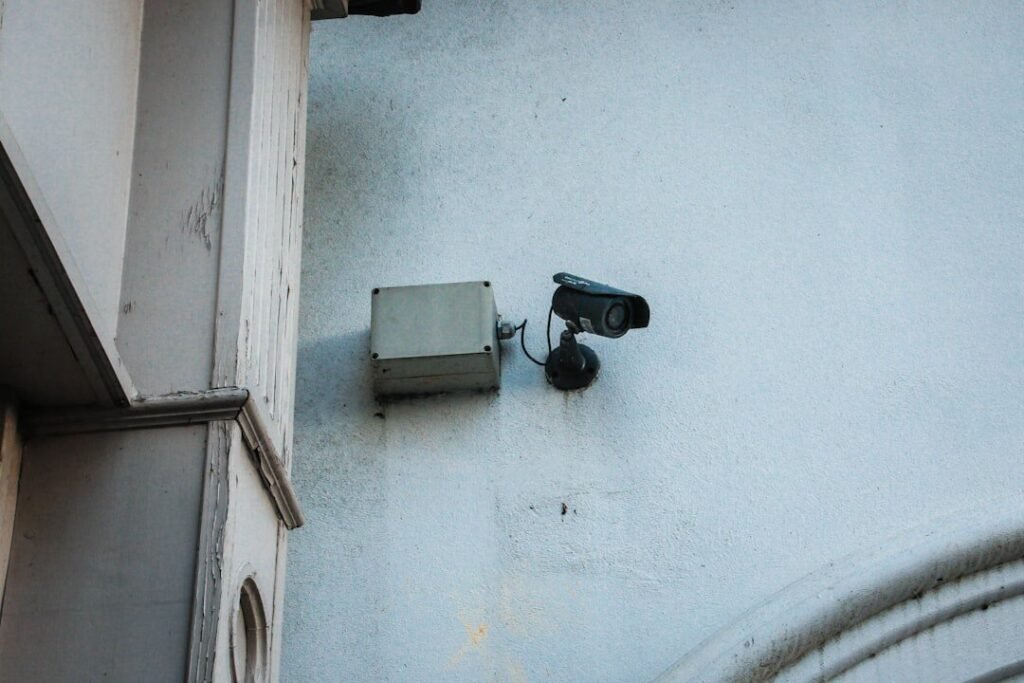
Video surveillance equipment includes hidden cameras disguised as everyday objects, wireless cameras transmitting video feeds, pinhole cameras concealed in walls or fixtures, infrared cameras for low-light recording, and cameras hidden in functional devices like clocks or smoke detectors.
Tracking devices include GPS trackers placed on vehicles, RF beacons for location monitoring, and cellular-based tracking systems that report location remotely.
Communication interception includes telephone taps on landlines, VoIP monitoring of internet-based calls, email and messaging interception, and network traffic monitoring.
Computer and device surveillance includes keyloggers that record keystrokes, screen capture software, webcam hijacking malware, and spyware that monitors device activity.
Comprehensive bug sweeps address all these threat categories, providing complete protection against surveillance.
The Evolution of Surveillance Technology
Understanding how surveillance technology has evolved helps explain why professional bug sweeps have become increasingly important.
Historical surveillance relied on relatively large, crude devices that were easier to detect. Early listening devices required physical wiring to recording equipment, limiting their deployment and making detection more straightforward.
Modern miniaturization has made surveillance devices incredibly small—some bugs are no larger than a coin or button. This miniaturization makes visual detection nearly impossible without knowing exactly where to look and what to look for.
Wireless technology eliminated the need for physical connections, allowing surveillance devices to be placed virtually anywhere and transmit audio, video, or data to remote receivers. Wireless bugs can be monitored from across the street or across the country.
Digital encryption makes modern surveillance transmissions difficult to intercept or identify without sophisticated equipment. Encrypted signals can blend with legitimate wireless traffic, requiring expert analysis to distinguish surveillance from normal communications.
Internet connectivity has enabled surveillance devices that operate over WiFi networks or cellular data, providing global reach and making detection more challenging. These devices can be accessed and controlled remotely through internet connections.
Artificial intelligence is being incorporated into surveillance equipment, enabling voice recognition, automatic transcription, keyword detection, and intelligent recording that activates only for specific conversations or individuals.
This technological evolution means that surveillance threats are more sophisticated, harder to detect, and more prevalent than ever before—making professional bug sweeps essential for anyone concerned about privacy.
Why Bug Sweeps Are Important
The importance of bug sweeps extends across multiple domains, from personal privacy to business security and legal protection.
Protecting Confidential Business Information
For businesses, covert surveillance represents one of the most serious security threats, potentially exposing trade secrets, strategic plans, and competitive advantages.
Corporate espionage is a multi-billion dollar problem affecting companies across all industries. Competitors, foreign governments, and criminal organizations deploy surveillance devices to steal proprietary information, learn negotiation strategies, access research and development data, and gain unfair competitive advantages.
Information obtained through covert surveillance can include product development plans before launch, merger and acquisition strategies, pricing and bidding information, customer lists and business relationships, manufacturing processes and trade secrets, and strategic business decisions before implementation.
The financial impact of corporate espionage through surveillance can be devastating. Companies may lose competitive advantages worth millions, face failed negotiations due to compromised strategies, experience theft of intellectual property representing years of investment, or suffer damage to business relationships when confidential information is exposed.
High-stakes negotiations are particularly vulnerable to surveillance. Whether negotiating mergers, contracts, partnerships, or major deals, having your strategy known to the other party eliminates your negotiating advantage. Bug sweeps before important negotiations ensure your discussions remain confidential and your strategy protected.
Board meetings and executive discussions involve sensitive information about company direction, financial performance, personnel decisions, and strategic initiatives. Surveillance of these meetings can provide competitors or malicious actors with insider information that damages the company’s interests.
Research and development facilities contain information about future products, technological innovations, and competitive advantages. Surveillance in R&D environments can result in theft of innovations before they reach market, allowing competitors to copy or preempt your developments.
Regular bug sweeps in business environments protect against these threats, ensuring that confidential information remains confidential and competitive advantages are preserved.
Safeguarding Personal Privacy
Beyond business applications, bug sweeps are crucial for protecting personal privacy in various circumstances.
Domestic disputes frequently involve surveillance, with suspicious spouses, contentious divorces, or custody battles leading individuals to plant listening devices or cameras in homes, vehicles, or personal spaces. This surveillance violates privacy rights and can be used for manipulation, harassment, or gaining unfair advantages in legal proceedings.
Bug sweeps help victims of domestic surveillance reclaim their privacy, gather evidence of illegal surveillance for legal action, and ensure their homes are safe spaces free from monitoring.
Stalking and harassment often include surveillance components. Stalkers may use listening devices, hidden cameras, or GPS trackers to monitor victims’ activities, conversations, and movements. This surveillance creates fear, violates privacy, and can escalate to more dangerous behaviors.
Professional bug sweeps detect surveillance equipment used by stalkers, provide evidence for restraining orders and criminal prosecution, and help victims feel safe in their homes and vehicles.
High-profile individuals including celebrities, executives, politicians, and wealthy individuals face elevated surveillance risks from paparazzi, criminals planning crimes, extortionists seeking compromising information, and obsessed fans or adversaries.
Regular bug sweeps provide these individuals with confidence that their private spaces remain private and their personal information is protected from unauthorized surveillance.
Privacy-conscious individuals who simply value their privacy and want assurance that their homes, offices, or vehicles are free from surveillance benefit from periodic bug sweeps. In an era of increasing surveillance, knowing your private spaces are truly private provides valuable peace of mind.
Legal and Regulatory Compliance
For many organizations, bug sweeps are not just advisable but necessary for legal and regulatory compliance.
Attorney-client privilege is fundamental to the legal system, requiring absolute confidentiality of communications between attorneys and clients. Law offices face particular surveillance risks because information obtained through surveillance of attorney-client communications could compromise cases, violate privilege, and result in legal malpractice claims.
Law firms handling high-stakes litigation, criminal defense, corporate transactions, or sensitive matters should conduct regular bug sweeps to ensure client confidentiality is maintained and attorney-client privilege is protected.
Medical privacy regulations under HIPAA and similar laws require healthcare providers to protect patient information. Surveillance devices in medical offices, hospitals, or therapy practices could capture protected health information, resulting in HIPAA violations, regulatory penalties, and civil liability.
Healthcare facilities should implement bug sweeps as part of their privacy protection programs, particularly in areas where sensitive patient discussions occur.
Financial industry regulations require financial institutions to protect customer information and maintain confidentiality of financial data. Surveillance in banks, investment firms, or financial advisory offices could expose customer information, violate regulatory requirements, and result in significant penalties.
Financial institutions handling sensitive client information should conduct regular bug sweeps to ensure compliance with privacy regulations and protect customer trust.
Government and defense contractors working with classified or sensitive information face strict security requirements that include protection against technical surveillance. Bug sweeps are often mandatory for facilities handling classified information or working on sensitive government projects.
Preventing Blackmail and Extortion
Covert surveillance is frequently used to gather compromising information for blackmail or extortion purposes.
Recording private conversations or activities provides blackmailers with leverage to demand money, favorable treatment, or other concessions under threat of exposing the information. This can affect individuals in positions of power, people with reputations to protect, or anyone whose private activities could cause embarrassment or harm if exposed.
Business extortion may involve threatening to expose confidential business information, trade secrets, or strategic plans unless demands are met. Surveillance provides the information needed to make credible threats.
Personal extortion targets individuals with threats to expose private conversations, activities, or information to family members, employers, or the public.
Bug sweeps detect surveillance equipment before it can gather compromising information, preventing blackmail and extortion schemes before they develop. If surveillance is discovered, it provides evidence for law enforcement action against those responsible.
Protecting Against Identity Theft and Fraud
While often overlooked, surveillance devices can facilitate identity theft and fraud by capturing sensitive personal information.
Financial information discussed in homes or offices—account numbers, passwords, Social Security numbers, credit card details—can be captured by listening devices and used for identity theft or financial fraud.
Authentication credentials for online accounts, computer systems, or secure facilities may be compromised through audio or video surveillance, allowing unauthorized access to systems and information.
Personal information used for identity verification—birth dates, mother’s maiden names, addresses, employment details—can be gathered through surveillance and used to impersonate victims or answer security questions.
Bug sweeps protect against this surveillance-enabled identity theft by ensuring private spaces are free from devices that could capture sensitive personal information.
Maintaining Competitive Advantages
In competitive environments, information is power, and protecting information provides competitive advantages.
Business strategy remains effective only when competitors don’t know your plans. Surveillance that reveals your strategies allows competitors to counter your moves, preempt your initiatives, or copy your innovations.
Negotiation leverage depends on the other party not knowing your bottom line, alternatives, or strategy. Surveillance that exposes this information eliminates your negotiating power.
Proprietary processes and methods that give you competitive advantages lose their value when competitors learn them through surveillance.
Market intelligence you’ve gathered through legitimate research loses its value if competitors learn what you know through surveillance of your discussions and planning.
Regular bug sweeps ensure that the information advantages you’ve worked to develop remain protected and continue providing competitive benefits.
Ensuring Peace of Mind
Beyond tangible security benefits, bug sweeps provide psychological peace of mind that’s valuable in itself.
Confidence in privacy allows you to speak freely in your home, office, or vehicle without concern that conversations are being monitored. This freedom is fundamental to personal autonomy and mental well-being.
Reduced anxiety results from knowing your spaces have been professionally examined and cleared of surveillance devices. For individuals who suspect surveillance or have reason to be concerned, this assurance is invaluable.
Ability to focus on important matters without distraction from surveillance concerns improves productivity and quality of life. Constant worry about being monitored creates stress that affects performance and well-being.
Restored sense of control over your privacy and security empowers you to take action against threats rather than feeling helpless or violated.
The peace of mind provided by professional bug sweeps has real value that extends beyond the immediate security benefits.
When Bug Sweeps Are Necessary
While bug sweeps provide value in many situations, certain circumstances make them particularly important or urgent.
High-Risk Situations Requiring Bug Sweeps
Some situations carry elevated surveillance risks that warrant professional bug sweeps.
Before important negotiations including mergers and acquisitions, major contracts, partnership agreements, or legal settlements. Ensuring your negotiation spaces are surveillance-free protects your strategy and maintains your advantage.
During contentious situations such as divorces, custody battles, business disputes, or legal conflicts where adversaries have motivation to conduct surveillance.
After suspicious incidents including unexplained knowledge by others of private information, discovery of one surveillance device (suggesting others may exist), unusual access to your spaces by unknown individuals, or technical anomalies suggesting surveillance equipment.
When handling sensitive information such as trade secrets, classified data, proprietary research, confidential legal matters, or private personal information that would cause significant harm if compromised.
For high-profile individuals including executives, celebrities, politicians, or wealthy individuals who face elevated surveillance risks due to their positions or public profiles.
In competitive industries where corporate espionage is common, such as technology, pharmaceuticals, finance, manufacturing, or any field with valuable proprietary information.
Following security breaches when other security compromises have occurred, suggesting adversaries may have deployed multiple surveillance methods including physical bugs.
Regular Bug Sweep Schedules
Beyond reactive sweeps in response to specific concerns, many individuals and organizations benefit from regular scheduled bug sweeps as part of ongoing security programs.
Quarterly sweeps are appropriate for high-risk environments including executive offices, board rooms, legal offices handling sensitive cases, research and development facilities, and spaces where highly confidential information is regularly discussed.
Annual sweeps provide adequate protection for moderate-risk situations including general business offices, professional practices, and homes of individuals with elevated but not extreme surveillance risks.
Event-based sweeps conducted before specific high-stakes events including major negotiations, important meetings, sensitive discussions, or when circumstances change in ways that increase surveillance risk.
Post-incident sweeps following any suspicious occurrence, security breach, or discovery of surveillance equipment to ensure comprehensive detection of all threats.
Regular sweep schedules ensure continuous protection rather than reactive responses after surveillance may have already compromised information.
Warning Signs That Suggest Surveillance
Certain indicators suggest that surveillance may be occurring, making bug sweeps urgent.
Unexplained knowledge by others of information they shouldn’t possess, particularly specific details from private conversations or confidential business discussions.
Technical anomalies including unusual phone line behavior, interference with electronic devices, unexplained battery drain in smoke detectors or other devices, or RF interference in specific locations.
Physical evidence such as disturbed fixtures, moved objects, new items that appeared without explanation, or signs of entry when you were away.
Behavioral changes in adversaries, competitors, or suspicious individuals who seem to anticipate your actions or reference information they shouldn’t know.
Increased attention from competitors, suspicious individuals, or unknown parties who show unusual interest in your activities or spaces.
Any of these warning signs warrants immediate professional bug sweeps to detect and address potential surveillance.
The Bug Sweep Process
Understanding what professional bug sweeps entail helps you appreciate their thoroughness and value.
Initial Consultation and Assessment
Professional bug sweeps begin with consultation to understand your situation, concerns, and specific needs.
Threat assessment evaluates your risk level based on your circumstances, the sensitivity of information you handle, potential adversaries, and any suspicious incidents or concerns.
Scope definition determines which spaces need examination, what types of surveillance are most likely, and what level of sweep is appropriate for your situation.
Scheduling considers timing that minimizes disruption while ensuring security, often conducting sweeps outside business hours or when spaces are unoccupied.
Confidentiality agreements protect your privacy regarding the sweep itself, ensuring that the fact you’re conducting counter-surveillance doesn’t become known to potential adversaries.
On-Site Examination
The actual bug sweep involves systematic examination using multiple detection methods.
RF spectrum analysis sweeps all relevant frequencies to detect wireless transmitters, using professional-grade spectrum analyzers that identify suspicious signals. Technicians analyze signal characteristics to distinguish surveillance devices from legitimate wireless equipment.
Physical inspection examines all potential hiding locations including electrical outlets and fixtures, smoke detectors and alarms, telephones and communication equipment, computers and electronics, furniture and decorative objects, walls, ceilings, and floors, and any objects positioned to capture audio or video of sensitive areas.
Trained professionals know where surveillance devices are commonly hidden and what signs indicate their presence.
Non-linear junction detection scans for electronic components even when powered off, detecting devices that RF analysis would miss. NLJD is particularly effective for finding audio recorders that don’t transmit.
Thermal imaging reveals heat signatures from active electronic devices concealed in walls, ceilings, furniture, or objects.
Communication line analysis examines telephone lines, network connections, and other communication systems for taps or monitoring devices.
Documentation includes photographing suspicious items, recording technical findings, and noting any anomalies or concerns for the final report.
Analysis and Reporting
After the physical examination, professionals analyze findings and provide comprehensive reporting.
Technical analysis evaluates any detected signals or devices to determine their purpose, capabilities, and likely origin. Not every electronic device is surveillance equipment—professionals distinguish between legitimate electronics and actual threats.
Risk assessment considers what information may have been compromised, how long surveillance may have been active, and what actions are needed to address the situation.
Detailed reporting provides clients with written documentation of the sweep including methodology used, areas examined, devices detected (if any), photographic evidence, technical analysis of findings, assessment of risks and vulnerabilities, and recommendations for addressing issues and preventing future surveillance.
Evidence preservation for any surveillance devices discovered, maintaining chain of custody for potential law enforcement investigations or legal proceedings.
Follow-Up Recommendations
Professional bug sweeps conclude with guidance on next steps and ongoing protection.
Immediate actions if surveillance was detected, including contacting law enforcement, securing compromised information, and implementing emergency security measures.
Security improvements to address vulnerabilities that allowed surveillance installation, including enhanced physical security, access controls, and security awareness training.
Ongoing protection recommendations for regular sweep schedules, security practices, and vigilance to maintain privacy protection over time.
Support and consultation for implementing recommendations and addressing any questions or concerns that arise after the sweep.
Choosing Professional Bug Sweep Services
The quality and effectiveness of bug sweeps depend heavily on the expertise and equipment of the service provider.
Qualifications to Look For
When selecting bug sweep services, certain qualifications indicate professionalism and competence.
Licensing and credentials including private investigator licenses, security certifications, and specialized TSCM training demonstrate legitimate professional status.
Experience and expertise in counter-surveillance, with years of experience conducting bug sweeps and knowledge of current surveillance technologies and detection methods.
Professional equipment including spectrum analyzers, non-linear junction detectors, thermal imaging cameras, and other specialized tools. Professional-grade equipment costs tens of thousands of dollars and provides capabilities far beyond consumer devices.
Systematic methodology following established TSCM protocols and industry best practices rather than ad-hoc approaches.
Confidentiality and discretion with clear policies protecting client privacy and ensuring sweep activities don’t become known to potential adversaries.
References and reputation from previous clients, professional associations, and industry standing.
Questions to Ask Potential Providers
Before engaging bug sweep services, ask questions to evaluate their capabilities and approach.
What equipment do you use? Professional services should use spectrum analyzers, NLJD, thermal imaging, and other specialized detection tools, not just consumer-grade RF detectors.
What is your methodology? Look for systematic approaches that include multiple detection methods and comprehensive physical inspection.
What experience do you have? Ask about years in business, number of sweeps conducted, and types of clients served.
What types of surveillance can you detect? Comprehensive services detect audio bugs, hidden cameras, GPS trackers, communication taps, and other surveillance technologies.
How long does a sweep take? Thorough sweeps require several hours for typical spaces—beware of services promising quick sweeps, as these may be superficial.
What does your report include? Detailed written reports with photographic documentation and technical analysis indicate professional service.
What are your confidentiality policies? Ensure the provider maintains strict confidentiality about your engagement and findings.
What happens if you find surveillance devices? Understand their protocols for evidence preservation, law enforcement notification, and client support.
Red Flags to Avoid
Certain warning signs indicate unprofessional or ineffective bug sweep services.
Unrealistic guarantees of finding surveillance or promises that no surveillance exists. Professional services provide thorough examination but cannot guarantee specific outcomes.
Very low prices that seem too good to be true often indicate inadequate equipment, limited expertise, or superficial examinations. Professional TSCM requires expensive equipment and specialized training.
Lack of proper licensing or credentials raises questions about legitimacy and expertise.
Pressure tactics or scare tactics designed to pressure you into immediate service suggest unprofessional practices.
Vague descriptions of methodology or equipment indicate lack of genuine expertise or attempt to hide inadequate capabilities.
No written reports or documentation suggests informal, unprofessional service that won’t provide evidence if needed for legal purposes.
Refusal to answer questions about qualifications, methodology, or equipment indicates lack of transparency and professionalism.
Metro Detective Agency Bug Sweep Services
Metro Detective Agency provides professional technical surveillance countermeasures to protect your privacy from covert surveillance devices.
Our TSCM Expertise and Capabilities
Our licensed investigators are trained in the latest counter-surveillance techniques and equipped with state-of-the-art detection technology.
Professional-grade equipment includes spectrum analyzers covering all relevant frequencies, non-linear junction detectors for finding powered-off devices, thermal imaging cameras for detecting concealed electronics, telephone and network analysis tools, and specialized detection equipment for various surveillance technologies.
Comprehensive methodology follows industry best practices and established TSCM protocols, ensuring thorough examination using multiple detection methods and systematic physical inspection by experienced professionals.
Experienced investigators have conducted hundreds of bug sweeps across residential, commercial, and vehicle environments, with expertise in identifying surveillance devices and distinguishing them from legitimate electronics.
Customized Bug Sweep Services
We understand that surveillance concerns vary based on individual circumstances and provide tailored services to meet specific needs.
Residential sweeps protect your home privacy, examining all living spaces, bedrooms, offices, and common areas for listening devices, hidden cameras, and other surveillance equipment.
Commercial sweeps secure business environments including executive offices, board rooms, conference rooms, research facilities, and any spaces where confidential business discussions occur.
Vehicle sweeps detect GPS trackers, audio bugs, and other surveillance devices in cars, trucks, and other vehicles.
Pre-event sweeps before important meetings, negotiations, or sensitive discussions ensure your spaces are surveillance-free when it matters most.
Regular scheduled sweeps provide ongoing protection through quarterly, annual, or customized schedules based on your risk level.
Emergency response for urgent situations when you suspect active surveillance or have discovered devices and need immediate professional assistance.
Comprehensive Reporting and Support
Our bug sweep services include detailed documentation and ongoing support to address your privacy concerns.
Written reports provide comprehensive documentation of our examination including methodology and equipment used, areas examined, technical findings, photographic evidence, analysis of any detected devices, risk assessment, and recommendations for security improvements.
Evidence preservation maintains proper chain of custody for any surveillance devices discovered, suitable for law enforcement investigations or legal proceedings.
Consultation and guidance helps you understand findings, implement security recommendations, and maintain ongoing privacy protection.
Confidential service ensures your privacy is protected throughout the process, with strict confidentiality about your engagement and our findings.
Why Choose Metro Detective Agency
Our commitment to professional excellence and client service makes Metro Detective Agency the right choice for bug sweep services.
Licensed and experienced investigators with extensive TSCM training and hundreds of successful bug sweeps.
Professional equipment providing detection capabilities that identify surveillance threats consumer devices would miss.
Systematic methodology ensuring thorough examination and reliable findings.
Clear communication about our process, findings, and recommendations in language you can understand.
Reasonable pricing for professional services, with transparent cost estimates before engagement.
Ongoing support beyond the initial sweep, helping you maintain privacy protection over time.
Whether you need a one-time sweep to address specific concerns or ongoing counter-surveillance services for continuous protection, Metro Detective Agency provides the expertise and professionalism your privacy deserves.
Frequently Asked Questions
How much do professional bug sweeps cost?
Professional bug sweeps typically cost $1,500 to $5,000+ depending on the size and complexity of the space being examined. Residential sweeps are generally less expensive than large commercial facilities. While this represents a significant investment, it provides comprehensive protection and peace of mind that consumer detection methods cannot match. For businesses, the cost of a bug sweep is minimal compared to the potential losses from compromised confidential information.
How long does a bug sweep take?
Thorough professional bug sweeps typically require 2-6 hours for residential properties and longer for commercial spaces depending on size and complexity. Comprehensive examination cannot be rushed—beware of services promising quick sweeps, as these are likely superficial. The time investment ensures all potential hiding locations are examined and multiple detection methods are employed.
Can I do my own bug sweep?
While consumer RF detectors are available, DIY bug sweeps have significant limitations including inability to detect non-transmitting devices like audio recorders, limited sensitivity compared to professional equipment, high false positive rates from legitimate wireless devices, lack of expertise to distinguish surveillance from normal electronics, and inability to conduct comprehensive physical inspections. For high-stakes situations or serious concerns, professional bug sweeps provide far more reliable protection.
How often should I have bug sweeps conducted?
Frequency depends on your risk level. High-risk individuals and businesses handling sensitive information should conduct quarterly sweeps or before important events. Moderate-risk situations may warrant annual sweeps. Most people don’t need regular sweeps but should consider professional services if they suspect surveillance, are involved in contentious situations, or face elevated risks due to their circumstances or the sensitivity of information they handle.
What happens if surveillance devices are found?
If surveillance devices are discovered, we document them thoroughly with photographs and technical analysis, preserve them as evidence maintaining proper chain of custody, provide you with detailed information about the devices and their capabilities, advise you on contacting law enforcement if appropriate, assess what information may have been compromised, and recommend security improvements to prevent future surveillance. The devices become evidence for potential criminal prosecution of those responsible.
Are bug sweeps legal?
Yes, it is legal to conduct bug sweeps in spaces you own or control. You have the right to protect your privacy and detect unauthorized surveillance in your home, office, or vehicle. However, conducting sweeps in spaces you don’t control without permission may raise legal issues. Always ensure you have authority over spaces being examined.
Can surveillance devices be detected if they’re turned off?
Some surveillance devices can be detected when powered off using non-linear junction detectors (NLJD), which identify semiconductor components present in all electronic devices. However, simple audio recorders that don’t transmit are very difficult to detect through electronic means and require thorough physical inspection. This is why comprehensive bug sweeps employ multiple detection methods rather than relying solely on RF scanning.
Concerned about covert surveillance in your home, office, or vehicle? Contact Metro Detective Agency today for a confidential consultation about our professional bug sweep services. Our experienced investigators use advanced detection equipment and systematic methodologies to identify surveillance threats and protect your privacy. Don’t leave your security to chance—get the peace of mind that comes from professional technical surveillance countermeasures. Call us now to schedule your bug sweep and take control of your privacy.