Enhancing Security: Surveillance Detection and Counter-Surveillance Services
In today’s world, surveillance threats come from multiple sources—from corporate espionage and competitive intelligence gathering to stalkers, estranged partners, identity thieves, and even foreign intelligence services. Whether you’re a business executive handling sensitive negotiations, an individual involved in contentious legal proceedings, a high-net-worth person concerned about security, or someone who simply values privacy, understanding surveillance threats and implementing effective counter-surveillance measures is essential for protecting yourself, your family, and your sensitive information. Metro Detective Agency provides comprehensive surveillance detection and counter-surveillance services that identify existing surveillance, assess your vulnerability to surveillance threats, and implement protective measures tailored to your specific risk profile and security needs.
Understanding Surveillance Threats
Before you can protect yourself from surveillance, you need to understand the nature of surveillance threats, who might conduct surveillance against you, and what methods they might use.
What Is Surveillance?
Surveillance is the systematic observation of people, places, or activities for the purpose of gathering information. While surveillance has legitimate uses in law enforcement, security, and private investigation, it can also be conducted for malicious purposes including stalking, harassment, corporate espionage, identity theft, and planning criminal activities.
Physical surveillance involves direct observation of subjects through various methods including following subjects in vehicles or on foot, observing from stationary positions, and documenting activities through photography and video recording.
Technical surveillance uses electronic devices and technology to monitor subjects including hidden cameras and video recording devices, audio listening devices (bugs), GPS tracking devices on vehicles, computer and phone monitoring software (spyware), and interception of communications.
Digital surveillance monitors online activities and digital communications including email monitoring, social media tracking, internet activity logging, and access to cloud-stored information.
Combination surveillance uses multiple methods simultaneously to create comprehensive monitoring of subjects’ activities, communications, and movements.
Who Conducts Surveillance?
Understanding who might conduct surveillance against you helps assess your risk and implement appropriate protective measures.
Private investigators conduct surveillance for various clients and purposes, some legitimate and some potentially problematic. While licensed investigators follow legal and ethical guidelines, not all surveillance conducted by investigators is appropriate or legal.
Corporate competitors may conduct surveillance to gather competitive intelligence, learn about business strategies, identify key clients or suppliers, or steal trade secrets and proprietary information.
Estranged spouses or partners sometimes conduct surveillance during divorce proceedings, custody disputes, or after relationship breakups, sometimes crossing the line into illegal stalking.
Stalkers and harassers use surveillance to monitor victims’ movements, learn their routines, and plan confrontations or attacks.
Identity thieves may conduct surveillance to gather personal information, learn security practices, identify vulnerabilities, or plan theft of financial information or physical property.
Disgruntled employees or former employees might conduct surveillance to gather information for lawsuits, plan theft or sabotage, or engage in harassment.
Foreign intelligence services target business executives, government officials, researchers, and others with access to valuable information or influence.
Organized crime conducts surveillance to plan robberies, kidnappings, or other crimes, or to gather information about law enforcement activities.
News media sometimes conduct surveillance of public figures, though legitimate journalism has different standards than covert surveillance.
Law enforcement conducts surveillance during criminal investigations, though this surveillance is typically conducted under legal authority and oversight.
Common Surveillance Methods
Surveillance can be conducted through numerous methods, each with different indicators and countermeasures.
Vehicle surveillance follows subjects in cars, using techniques like multiple vehicle surveillance where different vehicles take turns following, stationary surveillance from parked vehicles, and GPS tracking devices attached to target vehicles.
Foot surveillance follows subjects on foot in public places, shopping centers, office buildings, and other locations where vehicle surveillance isn’t practical.
Residential surveillance observes homes from nearby positions to document who comes and goes, establish routines and patterns, and identify vulnerabilities in home security.
Workplace surveillance monitors office buildings and business locations to observe work schedules, identify visitors and meetings, and gather business intelligence.
Camera surveillance uses hidden cameras in various locations including vehicles, offices, homes, and public spaces to record activities without subjects’ knowledge.
Audio surveillance plants listening devices (bugs) in homes, offices, vehicles, or personal items to intercept private conversations.
Communication interception monitors phone calls, text messages, emails, and other electronic communications through various technical means.
Computer and phone monitoring installs spyware or monitoring software on devices to track activities, communications, and stored information.
Social media monitoring tracks online activities, posts, locations, and connections through social media platforms.
Trash collection retrieves discarded documents and materials that might contain valuable information.
Pretext calls and social engineering uses deception to gather information directly from subjects or people around them.
Indicators of Surveillance
Recognizing surveillance requires awareness of common indicators that suggest you’re being watched or monitored.
Repeated vehicle sightings of the same car or similar vehicles in different locations at different times may indicate mobile surveillance.
Suspicious parked vehicles near your home, workplace, or frequently visited locations, especially with occupants who appear to be waiting or watching.
People who appear in multiple locations where you go, particularly if they seem out of place or their presence doesn’t make logical sense.
Unusual interest in your activities from people who ask questions about your schedule, plans, or routines without legitimate reason.
Vehicles that follow your movements including cars that make the same turns, follow you through unusual routes, or appear behind you repeatedly.
Technical anomalies including unusual sounds on phone calls, unexpected battery drain on phones or devices, devices that warm up when not in use, or interference with electronic equipment.
Physical evidence of tampering including disturbed furniture or items, signs that locks have been picked, or items not quite where you left them.
Information leaks where people know things about your activities or conversations that you haven’t shared publicly.
Gut feelings shouldn’t be dismissed—if you feel you’re being watched or followed, trust your instincts and take precautions.
Legal and Privacy Considerations
Understanding the legal framework around surveillance helps you recognize when surveillance crosses legal boundaries and what protections you have.
Privacy expectations determine what surveillance is legal. Generally, you have privacy expectations in your home, private conversations, and personal communications, but not in public places where anyone can observe you.
Consent requirements for recording vary by state. Some states require all parties to consent to recording conversations, while others require only one party’s consent.
Stalking and harassment laws prohibit surveillance that creates fear, constitutes harassment, or serves no legitimate purpose beyond intimidating or monitoring someone.
Trespassing prohibitions make it illegal to enter private property to conduct surveillance, install devices, or gather information.
Wiretapping laws strictly regulate interception of communications, with severe penalties for illegal wiretapping or electronic eavesdropping.
GPS tracking regulations vary by jurisdiction but generally prohibit tracking vehicles you don’t own without consent or legal authority.
Computer fraud laws prohibit unauthorized access to computers and installation of monitoring software without authorization.
Protective orders can prohibit specific individuals from surveilling, following, or monitoring you if you can demonstrate harassment or threats.
Understanding these legal protections helps you recognize when surveillance against you is illegal and what legal remedies are available.
Surveillance Detection Services
Professional surveillance detection identifies whether you’re currently under surveillance and determines who’s conducting it and why.
What Is Surveillance Detection?
Surveillance detection is the systematic process of identifying surveillance activities directed against you through careful observation, technical detection, and analysis of patterns and indicators.
Counter-surveillance operations involve trained professionals who observe your environment, activities, and surroundings to identify surveillance indicators including suspicious vehicles, repeated individuals, technical surveillance devices, and patterns suggesting organized surveillance.
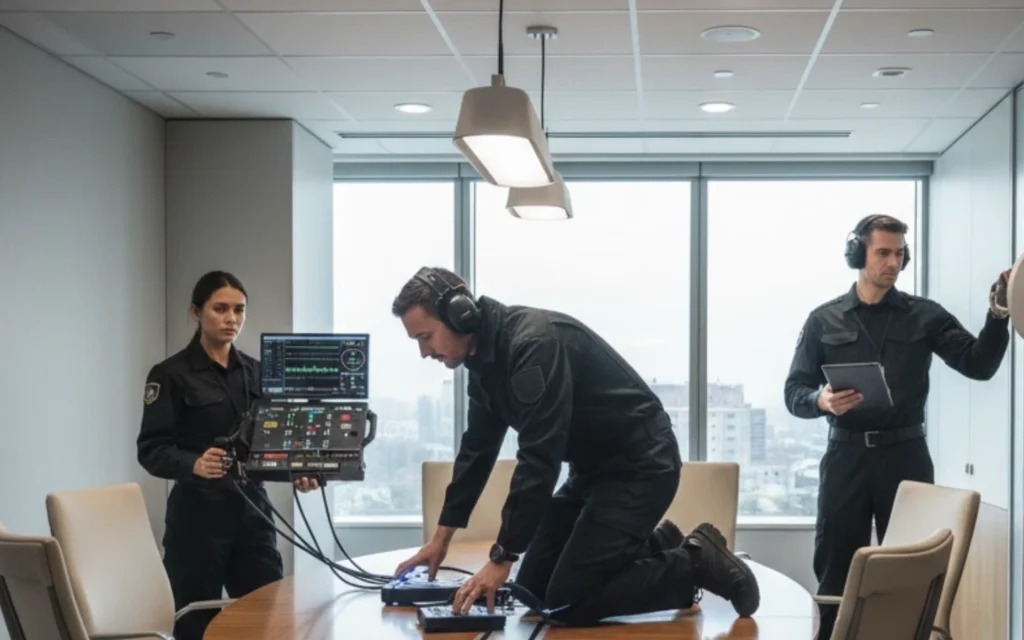
Technical surveillance countermeasures (TSCM) use specialized equipment to detect electronic surveillance devices including hidden cameras, audio bugs, GPS trackers, and communication interception equipment.
Pattern analysis examines your routines, the people and vehicles around you, and any anomalies or repeated sightings that suggest surveillance.
Behavioral analysis identifies suspicious behaviors that indicate surveillance including people who seem overly interested in you, vehicles that follow unusual patterns, or individuals who appear in multiple locations without logical explanation.
Surveillance Detection Process
Professional surveillance detection follows a systematic process to identify surveillance comprehensively.
Initial consultation and threat assessment begins with understanding your concerns, what made you suspect surveillance, your personal or professional circumstances that might motivate surveillance, and what types of surveillance are most likely given your situation.
Preliminary investigation gathers information about your routines, locations you frequent, people in your life, and any previous security incidents or concerns that might be relevant.
Counter-surveillance operations deploy trained professionals to observe your environment and activities, looking for surveillance indicators including:
- Vehicles that appear repeatedly in different locations
- Individuals who seem to be watching or following you
- Suspicious behavior by people in your vicinity
- Technical indicators of electronic surveillance
- Patterns that suggest organized surveillance operations
Technical surveillance detection uses specialized equipment to sweep your home, office, vehicle, and other locations for electronic surveillance devices including hidden cameras, audio bugs, GPS trackers, and communication interception equipment.
Pattern documentation records all observations systematically, creating timelines and maps of suspicious activities, vehicles, and individuals to identify patterns and connections.
Analysis and assessment evaluates all gathered information to determine whether surveillance is occurring, what type of surveillance is being conducted, who might be responsible, and what the surveillance objectives appear to be.
Reporting and recommendations provides comprehensive documentation of findings and recommendations for protective measures, legal action if appropriate, and ongoing security enhancements.
Types of Surveillance Detection Operations
Different situations require different surveillance detection approaches.
Mobile surveillance detection observes you during your normal activities and travels to identify whether you’re being followed by vehicles or individuals, using techniques like:
- Counter-surveillance driving routes designed to expose following vehicles
- Multiple detection team vehicles that observe your surroundings
- Communication systems that allow detection teams to coordinate observations
- Documentation of suspicious vehicles and individuals
Stationary surveillance detection monitors locations you frequent including your home, workplace, or other regular destinations to identify surveillance positions, repeated vehicles or individuals, and patterns of observation.
Technical surveillance detection sweeps locations for electronic surveillance devices using:
- Radio frequency (RF) detectors that identify transmitting devices
- Non-linear junction detectors that find electronic components even when not transmitting
- Physical searches for hidden cameras and recording devices
- Thermal imaging to identify heat signatures from hidden electronics
- Telephone line analysis to detect wiretaps
- Computer and network security assessments to identify monitoring software
Comprehensive surveillance detection combines all methods to provide complete assessment of surveillance threats against you.
What Surveillance Detection Reveals
Professional surveillance detection provides valuable intelligence about threats against you.
Confirmation or elimination of surveillance concerns definitively determines whether your suspicions are founded or whether alternative explanations account for what you’ve observed.
Type and sophistication of surveillance identifies whether surveillance is amateur or professional, what methods are being used, and how comprehensive the surveillance operation is.
Likely surveillance source often can be determined based on surveillance methods, sophistication, apparent objectives, and other factors.
Surveillance objectives may become apparent based on what aspects of your life are being monitored and what information appears to be the surveillance target.
Security vulnerabilities that surveillance exploits are identified, allowing you to implement protective measures.
Evidence for legal action if surveillance is illegal, documentation from professional detection provides evidence for protective orders, criminal complaints, or civil litigation.
Counter-Surveillance Measures
Once surveillance is detected or if you want to prevent surveillance proactively, counter-surveillance measures protect you from monitoring and information gathering.
Physical Counter-Surveillance
Physical measures make surveillance more difficult and help you detect surveillance attempts.
Surveillance awareness training teaches you to recognize surveillance indicators, practice situational awareness, identify suspicious vehicles and individuals, and respond appropriately to surveillance concerns.
Route variation changes your travel patterns regularly, avoiding predictable routines that make surveillance easier, using different routes to regular destinations, and varying departure and arrival times.
Counter-surveillance driving techniques include:
- Making unexpected turns to identify following vehicles
- Circling blocks to see if vehicles follow
- Using parking lots and drive-throughs to observe vehicles behind you
- Varying speeds to identify vehicles that match your pace
- Taking routes that expose surveillance vehicles
Secure meeting locations for sensitive discussions use locations that are difficult to surveil, vary meeting locations, and check locations for surveillance devices before sensitive conversations.
Protective security measures including:
- Professional security personnel for high-risk situations
- Secure transportation with trained drivers
- Residential security enhancements
- Workplace security improvements
Technical Counter-Surveillance
Technical measures detect and prevent electronic surveillance.
Regular TSCM sweeps of your home, office, vehicle, and other locations detect hidden cameras, audio bugs, GPS trackers, and other surveillance devices before they compromise your privacy.
Communication security protects phone calls, emails, and other communications through:
- Encrypted communication apps and services
- Secure phone lines and devices
- Virtual private networks (VPNs) for internet communications
- Avoiding sensitive discussions on unsecured lines
Computer and device security prevents monitoring software and unauthorized access through:
- Professional security software and monitoring
- Regular security audits
- Secure passwords and authentication
- Physical security for devices
- Encryption of sensitive data
GPS tracking prevention includes:
- Regular vehicle inspections for tracking devices
- GPS detection equipment
- Secure parking locations
- Vehicle security systems that alert to tampering
Camera detection identifies hidden cameras through:
- RF detectors that find wireless cameras
- Lens detectors that identify camera lenses
- Physical inspection of locations
- Thermal imaging to find heat from cameras
Operational Security (OPSEC)
Operational security practices limit information available to potential surveillance.
Information compartmentalization shares sensitive information only with people who need to know, limits discussions of sensitive matters, and avoids sharing information unnecessarily.
Social media security protects against surveillance through online monitoring by:
- Limiting what you share publicly
- Reviewing privacy settings regularly
- Avoiding posting locations in real-time
- Being cautious about friend/follower requests
- Considering separate personal and professional accounts
Communication discipline avoids discussing sensitive matters in potentially monitored communications, uses secure channels for important discussions, and assumes electronic communications may be monitored.
Document security protects sensitive information through:
- Secure storage of important documents
- Shredding sensitive materials before disposal
- Limiting copies of sensitive documents
- Secure transmission methods for sensitive information
Personal information protection limits publicly available information about you including:
- Opting out of data broker databases
- Using privacy services for property records
- Limiting personal information in public records
- Being cautious about information shared with businesses
Legal Counter-Surveillance
Legal measures provide protection against illegal surveillance and harassment.
Protective orders can prohibit specific individuals from surveilling, following, contacting, or approaching you if you can demonstrate harassment, stalking, or threats.
Criminal complaints for illegal surveillance including stalking, wiretapping, trespassing, or harassment can result in criminal prosecution and penalties for surveillance perpetrators.
Civil litigation may provide remedies for illegal surveillance including:
- Invasion of privacy claims
- Intentional infliction of emotional distress
- Harassment claims
- Damages for harm caused by illegal surveillance
Law enforcement cooperation involves reporting illegal surveillance to police and providing evidence gathered through professional detection to support criminal investigations.
Cease and desist letters formally notify suspected surveillance perpetrators that their conduct is unwelcome and potentially illegal, creating documentation for legal action if surveillance continues.
Lifestyle and Behavioral Counter-Surveillance
Personal practices reduce surveillance effectiveness and protect privacy.
Situational awareness means staying alert to your surroundings, noticing people and vehicles around you, trusting your instincts about suspicious situations, and avoiding distractions that prevent awareness.
Routine variation makes surveillance more difficult by:
- Changing daily patterns regularly
- Varying routes and schedules
- Being unpredictable in activities and movements
- Avoiding rigid routines that surveillance can exploit
Privacy-conscious behavior includes:
- Being cautious about what you discuss in public
- Avoiding sensitive conversations in unsecured locations
- Limiting personal information shared with strangers
- Being aware of who might overhear conversations
Security mindset approaches situations with awareness of potential threats, considers security implications of activities and decisions, and prioritizes privacy and security in daily life.
Trusted circle limits who you share sensitive information with, verifies trustworthiness before sharing important information, and maintains appropriate boundaries even with friends and family.
Applications of Surveillance Detection and Counter-Surveillance
Surveillance detection and counter-surveillance services benefit diverse individuals and organizations facing various threats.
Personal Security Applications
Individuals use surveillance detection and counter-surveillance for various personal security concerns.
Stalking and harassment situations where ex-partners, former friends, or others are monitoring your activities, following you, or gathering information about you to facilitate harassment or threats.
High-conflict divorce or custody cases where estranged spouses may conduct surveillance to gather information for legal proceedings or to harass and intimidate.
Domestic violence situations where abusers monitor victims’ locations and activities to maintain control or plan confrontations.
High-net-worth individuals concerned about surveillance for kidnapping planning, robbery targeting, or gathering information for fraud or extortion.
Public figures and celebrities who face surveillance from paparazzi, obsessed fans, or others interested in their private lives.
Individuals in sensitive professions including judges, prosecutors, law enforcement officers, and others whose work creates adversaries who might conduct surveillance.
People involved in contentious litigation where opposing parties might conduct surveillance to gather information or intimidate.
Anyone who values privacy and wants to ensure their activities and communications remain private.
Business and Corporate Applications
Organizations use surveillance detection and counter-surveillance to protect business interests.
Corporate executives facing potential surveillance for competitive intelligence, corporate espionage, or gathering information about business strategies and decisions.
Companies in competitive industries where competitors might conduct surveillance to steal trade secrets, identify key clients or suppliers, or learn about product development and business plans.
Businesses involved in sensitive negotiations including mergers, acquisitions, major contracts, or partnerships where surveillance might compromise negotiating positions.
Companies with proprietary technology or valuable intellectual property that competitors or foreign intelligence services might target.
Businesses in regulated industries where competitors might gather information about regulatory compliance, business practices, or strategic plans.
Organizations concerned about insider threats where employees might be conducting surveillance for competitors, foreign governments, or criminal organizations.
Businesses that have experienced security breaches and want to identify how information was compromised and prevent future breaches.
Legal and Investigative Applications
Attorneys and investigators use surveillance detection and counter-surveillance in legal contexts.
Attorneys in high-stakes litigation concerned that opposing parties might conduct surveillance of them, their clients, or witnesses.
Clients in contentious legal matters where opposing parties might gather information through surveillance to gain advantages in litigation.
Witness protection for individuals providing testimony in criminal or civil cases who face potential surveillance or threats.
Investigative security for private investigators concerned about counter-surveillance by subjects of their investigations or others interested in their activities.
Jury consultants and trial strategists protecting confidential trial strategies and jury research from surveillance by opposing parties.
Metro Detective Agency Surveillance Detection and Counter-Surveillance Services
Metro Detective Agency provides comprehensive surveillance detection and counter-surveillance services to protect individuals and organizations from surveillance threats.
Our Surveillance Detection Expertise
Our team brings extensive experience in surveillance detection and counter-surveillance operations.
Former law enforcement and intelligence professionals with backgrounds in surveillance operations understand how surveillance is conducted and how to detect it effectively.
Certified TSCM technicians trained in technical surveillance countermeasures use advanced equipment to detect electronic surveillance devices.
Licensed private investigators with decades of experience conducting and detecting surveillance operations.
Ongoing training in the latest surveillance methods, detection techniques, and counter-surveillance technologies ensures we stay current with evolving threats.
Advanced equipment including RF detectors, non-linear junction detectors, thermal imaging, GPS detectors, and other specialized tools provides comprehensive detection capabilities.
Comprehensive Surveillance Detection Services
We provide complete surveillance detection services tailored to your specific concerns and risk profile.
Threat assessment evaluates your personal or professional circumstances to identify who might conduct surveillance against you, what their objectives might be, what methods they’re likely to use, and what your vulnerability level is.
Counter-surveillance operations deploy trained professionals to observe your environment and activities, identify surveillance indicators, document suspicious vehicles and individuals, and determine whether you’re under surveillance.
Technical surveillance detection sweeps your home, office, vehicle, and other locations for electronic surveillance devices including:
- Hidden cameras and video recording devices
- Audio bugs and listening devices
- GPS tracking devices
- Phone taps and communication interception equipment
- Computer and network monitoring systems
- Wireless transmission detection
Mobile surveillance detection follows you during normal activities to identify whether you’re being followed, using multiple detection vehicles, counter-surveillance driving techniques, and systematic documentation of suspicious vehicles and individuals.
Comprehensive reporting provides detailed documentation of findings including photographic evidence of suspicious vehicles or individuals, technical detection results, analysis of surveillance patterns, assessment of surveillance sophistication and likely source, and recommendations for protective measures.
Counter-Surveillance Implementation
We don’t just detect surveillance—we help you prevent it and protect yourself from future surveillance threats.
Security consultation develops comprehensive security plans tailored to your specific risk profile and circumstances.
Surveillance awareness training teaches you and your staff to recognize surveillance indicators, practice effective situational awareness, respond appropriately to surveillance concerns, and implement operational security practices.
Technical security measures including:
- Regular TSCM sweeps to detect surveillance devices
- Communication security systems and protocols
- Computer and device security enhancements
- GPS tracking prevention
- Camera detection and prevention
Physical security enhancements for your home, office, or other locations including:
- Security system upgrades
- Access control improvements
- Surveillance-resistant design features
- Secure meeting spaces
Operational security protocols that limit information available to surveillance including communication security practices, information compartmentalization, social media security, and document security procedures.
Ongoing monitoring provides continuous surveillance detection for high-risk situations, regular security assessments, and rapid response to new surveillance concerns.
Specialized Services
We provide specialized surveillance detection and counter-surveillance services for unique situations.
Executive protection includes counter-surveillance as part of comprehensive security for business executives, high-net-worth individuals, and others facing elevated threats.
Corporate security addresses business surveillance threats including competitive intelligence gathering, corporate espionage, and insider threats.
Legal support provides surveillance detection and counter-surveillance for attorneys, clients, and witnesses in sensitive litigation.
Stalking and harassment protection helps victims of stalking detect surveillance and implement protective measures.
Domestic violence security provides surveillance detection and security planning for domestic violence victims.
Travel security includes surveillance detection during business or personal travel, particularly in high-risk locations or situations.
Confidential and Professional Service
We understand the sensitive nature of surveillance concerns and provide discreet, professional service.
Confidential consultations ensure your privacy is protected from first contact through service completion.
Discreet operations conduct surveillance detection without alerting potential surveillance operatives or drawing attention to security measures.
Professional reporting provides clear, comprehensive documentation suitable for personal use or legal proceedings.
Ongoing support remains available to address new concerns, provide additional services, or respond to changing threat situations.
Coordination with legal counsel works with your attorneys when surveillance detection relates to legal matters, providing expert testimony if needed.
Frequently Asked Questions
How do I know if I’m under surveillance?
Common indicators include repeatedly seeing the same vehicles or individuals in different locations, suspicious parked vehicles near your home or workplace, people who seem overly interested in your activities, technical anomalies with phones or devices, and gut feelings that you’re being watched. Professional surveillance detection provides definitive answers about whether you’re under surveillance.
Is surveillance legal?
It depends on the methods used and the circumstances. Surveillance in public places is generally legal, but surveillance that involves trespassing, electronic eavesdropping, GPS tracking of vehicles you don’t own, or stalking and harassment is illegal. Professional surveillance detection can determine whether surveillance against you crosses legal boundaries.
How much does surveillance detection cost?
Costs vary based on the scope of services needed. Basic technical sweeps of a single location typically cost $1,500-$3,000, while comprehensive surveillance detection including counter-surveillance operations and multiple location sweeps may cost $5,000-$15,000 or more. We provide clear cost estimates based on your specific needs.
How long does surveillance detection take?
Technical sweeps of single locations typically take 2-4 hours. Comprehensive surveillance detection including counter-surveillance operations may take several days to weeks depending on your routines and the need to observe various locations and times. We’ll provide timeline estimates based on your situation.
What happens if you find surveillance devices or confirm surveillance?
We provide comprehensive documentation of findings and recommendations for next steps, which may include removing detected devices, implementing counter-surveillance measures, reporting illegal surveillance to law enforcement, consulting with attorneys about legal action, and enhancing security to prevent future surveillance.
Can surveillance detection be conducted without alerting the surveillance operatives?
Yes, professional surveillance detection uses methods designed to identify surveillance without alerting those conducting it, allowing you to gather information about surveillance operations and plan responses without compromising the detection operation.
Should I confront someone I suspect of surveilling me?
Generally no—confrontation can escalate situations, alert surveillance operatives to your awareness, and potentially create safety risks. Professional surveillance detection provides safer, more effective ways to address surveillance concerns.
How often should I have surveillance detection performed?
For high-risk individuals or situations, regular surveillance detection (monthly or quarterly) provides ongoing protection. For most people, surveillance detection is performed when specific concerns arise or during particularly sensitive periods like contentious legal proceedings or business negotiations.
Concerned about surveillance threats to your privacy and security? Contact Metro Detective Agency today for a confidential consultation about our surveillance detection and counter-surveillance services. Our experienced security professionals will assess your situation, identify surveillance threats, and implement comprehensive protective measures tailored to your specific needs. Don’t wait until your privacy is compromised—take proactive steps to detect and prevent surveillance now.