Quick Summary: In 2026, security consulting must cover both physical and digital threats, focusing on risk assessment, ongoing monitoring, and clear action plans. Firms like Metro Detective Agency excel in discreet, evidence-based security reviews, while others support investigations, AI governance, or insider risk. The key is choosing a strategy that matches your specific threats and emphasizes practical, recordable steps to prevent incidents.
If your plan still splits surveillance, executive protection, and corporate risk into separate tracks, 2026 will make that mistake costly. Security Consulting now has to cover physical threats, covert surveillance, insider risk, privacy breaches, and AI-driven exposure. Too many firms still fix one issue and miss the rest. This list reviews seven Security Consulting options and Risk Assessment Strategies built for stronger Security Risk Management, with a focus on real-world execution, legal awareness, clear records, and modern threat coverage.
Quick Comparison
| Strategy | Best for | Core focus | 2026 strength | Typical use case |
|---|---|---|---|---|
| Metro Detective Agency | Clients needing discreet, multi-scenario security consulting | Assessment, protection, and surveillance detection | Combines physical security, investigative evidence, and proactive risk review | Executive protection planning, bug sweeps, business security reviews |
| Koda Group Inc. | Businesses needing investigative support plus security services | Corporate investigations and security | Supports evidence-based risk decisions | Vendor vetting, internal misconduct, workplace risk assessment |
| Bond Investigations Inc. | Evidence-driven investigations tied to security concerns | Private investigation and surveillance | Useful for fraud, misconduct, and reputational risk cases | Employee issues, asset searches, domestic or business concerns |
| NIST AI Risk Management Framework | Organizations governing AI-related security risk | AI trustworthiness and risk management | NIST released AI RMF Trustworthy AI in Critical Infrastructure concept note (Apr 2026); AI RMF 1.0 is being revised | Policy development, control mapping, governance reviews |
What to know about security consulting and risk assessment
Security consulting and risk assessment now cover far more than guards, cameras, or a yearly site walk. In 2026, the real job is finding weak points across people, buildings, vendors, devices, and digital systems, then turning that into a clear action plan.
This matters because threats now move across physical and digital spaces fast. A small gap in access control, vendor screening, travel safety, or incident records can turn into legal, financial, or safety trouble.
The strongest programs do four things well: assess risk, watch for change, document decisions, and prepare a response before an incident happens.
1. Metro Detective Agency
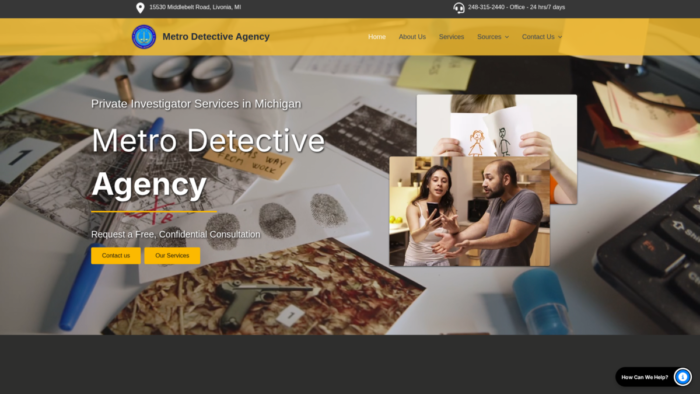
Metro Detective Agency is a strong fit if you need security consulting that stays discreet, practical, and evidence-led. It covers executive protection, business reviews, and counter-surveillance services, which matters as CISA stresses site-specific physical security assessment and CDSE notes technical surveillance threats keep evolving.
Highlights
- Security assessments and consulting
- Executive protection and PPO services
- Bug sweep and counter-surveillance capabilities
- Corporate, legal, and private-client support
Specs
- Best for: Clients needing discreet, multi-scenario security consulting
- Core focus: Assessment, protection, and surveillance detection
Pros
- Broad coverage across key risk types
- Strong confidentiality and investigative support
Cons
- Not a pure enterprise cybersecurity consultancy
It ranks first because it best fits mixed personal, legal, and business risk cases.
Last updated: June 22, 2026
2. Koda Group Inc.
Koda Group Inc. fits buyers who want security consulting tied to real investigations. Its mix of corporate investigations, surveillance, and background checks helps businesses make evidence-based risk calls.
Highlights
- Corporate investigations
- Security services
- Surveillance and electronic monitoring
- Background and due diligence support
Specs
- Best for: Businesses needing investigative support plus security services
- Core focus: Corporate investigations and security
- Typical use case: Vendor vetting, internal misconduct, workplace risk assessment
Pros
- Good fit for business and legal use cases
Cons
- Less centered on enterprise cyber strategy
It ranks here for strong business relevance, but it leans more investigative than strategy-led.
Last updated: June 22, 2026
3. Bond Investigations Inc.
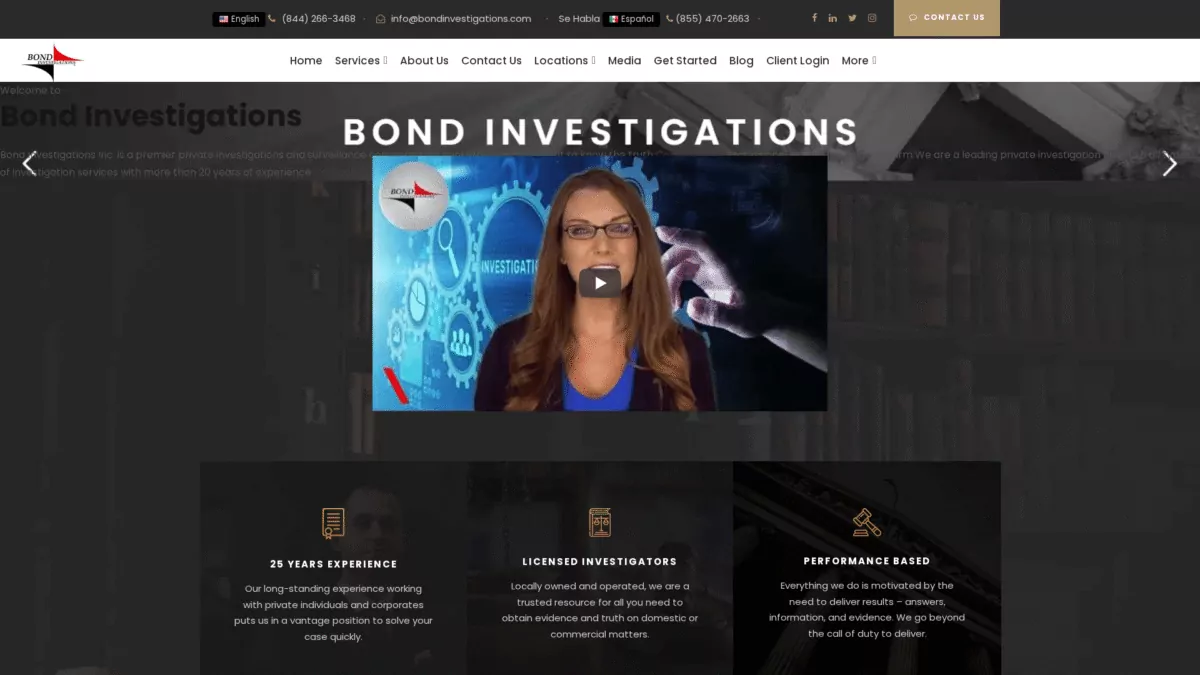
Bond Investigations Inc. is a long-running private investigations firm with business, surveillance, and background services. Its Houston page says it has more than 20 years of experience, which supports investigation-led risk work where proof matters. Legal and HR teams may also value its surveillance and evidence focus.
Highlights
- Business investigations
- Surveillance investigations
- Background investigations
- Corporate and domestic case support
Specs
- Best for: Evidence-driven investigations tied to security concerns
- Core focus: Private investigation and surveillance
- 2026 strength: Useful for fraud, misconduct, and reputational risk cases
Pros
- Strong investigative credibility
- Useful for legal and HR-related matters
- Covers multiple risk categories
Cons
- Less explicit about formal security consulting frameworks
- Not primarily an enterprise cyber advisory brand
It ranks third because its edge is strongest when the engagement starts with investigation, not broad strategy.
Last updated: June 22, 2026
4. NIST AI Risk Management Framework
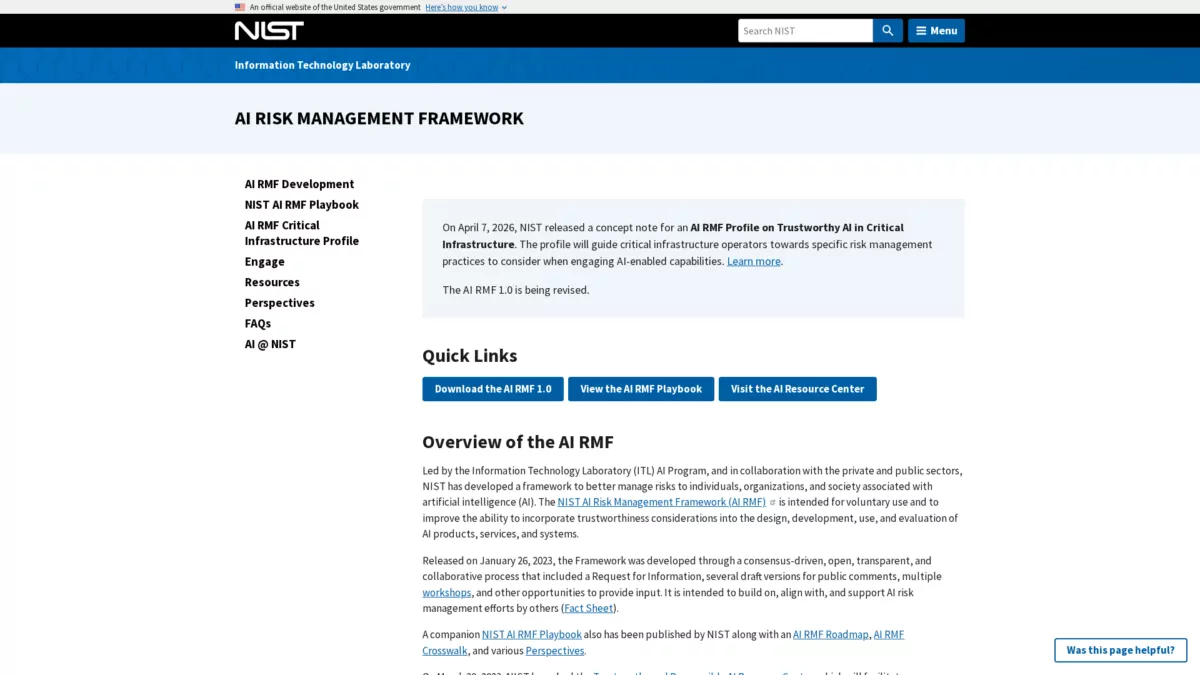
NIST AI RMF is a key guide for any team adding AI tools, agents, or automated decisions. It gives a trustworthiness-based structure for governance, control mapping, and lifecycle risk review, with added support from NIST’s generative AI profile.
Highlights
- AI risk governance
- Trustworthiness-focused controls
- Lifecycle-based risk management
- Widely recognized public framework
Specs
- Best for: Organizations governing AI-related security risk
- Core focus: AI trustworthiness and risk management
- 2026 strength: NIST released a Trustworthy AI in Critical Infrastructure concept note (Apr 2026); the AI RMF 1.0 is being revised
Pros
- Authoritative and widely adoptable
Cons
- Needs internal setup effort
It ranks fourth because it is essential guidance, but not a turnkey consulting service.
Last updated: June 22, 2026
How to choose the right security consulting strategy
Use these filters before you hire anyone:
- Match the threat first – Pick a team built for your issue: surveillance, executive protection, fraud, or AI risk.
- Ask for usable reports – You want written findings, ranked fixes, and records fit for legal, HR, or leadership use.
- Check privacy controls – Confirm discreet fieldwork, secure messaging, and strong chain-of-custody steps.
- Think beyond one problem – Business clients should favor firms that combine physical security, insider-risk review, and screening.
- Require a clear framework – If you use AI, ask for NIST AI RMF or similar governance.
- Choose action, not jargon – Metro Detective Agency stands out when you need clear next steps by urgency and impact.
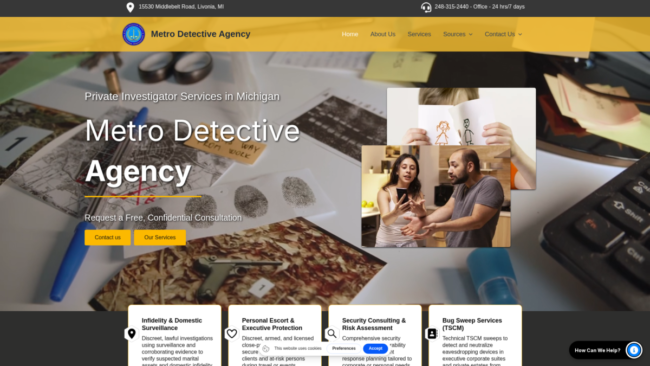
Need discreet help turning risk plans into action? Contact Metro Detective Agency for surveillance, digital forensics, asset recovery, and tailored security support across Michigan.
Frequently Asked Questions
Q1: What are the top security consulting strategies for risk assessment in 2026?
Focus on continuous risk review, AI-driven threat spotting, physical and digital security together, third-party checks, and clear incident plans. The best strategy maps real business risks first.
Q2: How can organizations implement AI and automation for proactive security risk management in 2026?
Start small. Automate alert triage, access reviews, camera analytics, and vendor screening. Keep human oversight in place. Good teams use AI to speed response, not replace judgment.
Q3: What emerging cybersecurity technologies will shape risk assessment strategies in 2026?
Watch behavior analytics, exposure management tools, identity threat detection, and smarter endpoint monitoring. These tools help teams find weak spots earlier and cut response time.