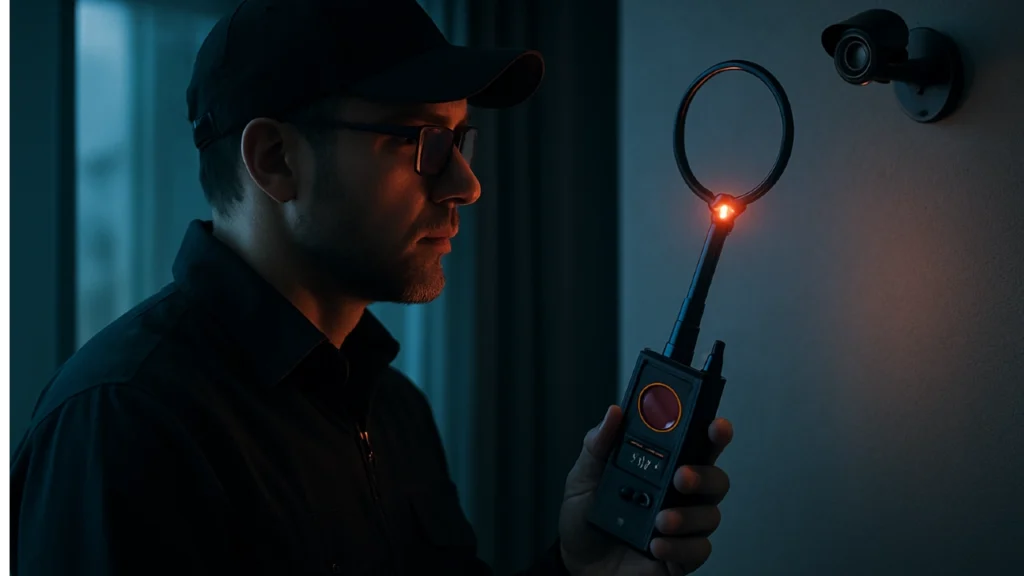
Hire a Detective: What You Need to Know Before Engaging Investigation Services
Deciding to hire a detective represents an important step toward resolving serious personal or business concerns requiring professional investigation. Whether you’re dealing with suspected infidelity, child custody issues, missing persons, fraud, background investigations, surveillance needs, or other matters requiring investigative expertise, understanding what to expect, how to choose the right detective, and how to work effectively with investigative professionals ensures successful outcomes and value for your investment.
Metro Detective Agency provides professional private investigation services throughout our service area. Our experienced investigators have helped thousands of clients resolve complex situations through expert investigation, and we understand the concerns, questions, and considerations facing people hiring detectives for the first time. This comprehensive guide provides everything you need to know about hiring a detective, from understanding what detectives do through selecting the right investigator, understanding costs, and working effectively with your detective.
Understanding Private Detective Services
Before hiring a detective, understanding what private investigators do, their capabilities, and their limitations helps you determine whether detective services meet your needs and what to expect from the investigation process.
What Private Detectives Do
Private detectives, also called private investigators or PIs, conduct professional investigations gathering information, evidence, and intelligence for individuals, businesses, attorneys, and organizations. Unlike law enforcement, private detectives work for private clients on civil matters, personal concerns, and business issues.
Surveillance operations represent core detective work. Detectives conduct physical surveillance following subjects, documenting activities, photographing or videotaping behavior, and gathering evidence of specific activities or patterns. Surveillance reveals infidelity, documents injury claims, verifies employee activities, and provides visual evidence of behavior.
Background investigations research individuals’ histories, credentials, reputations, and activities. Detectives verify employment histories, check criminal records, research financial backgrounds, investigate personal histories, verify credentials and licenses, and compile comprehensive background reports. Background investigations support hiring decisions, business relationships, personal relationships, and due diligence.
Locating missing persons involves finding people who have disappeared, lost contact, or cannot be found through normal means. Detectives use skip tracing techniques, database searches, investigative interviews, and field investigation to locate missing family members, witnesses, debtors, or other individuals.
Infidelity investigations determine whether spouses or partners are having affairs. Detectives conduct surveillance documenting meetings with other people, investigate suspicious activities and behaviors, gather evidence of affairs, and provide proof or peace of mind regarding relationship concerns.
Child custody investigations gather evidence supporting custody determinations. Detectives document parenting capabilities, investigate living conditions and environments, document violations of custody agreements, investigate concerns about child welfare, and provide evidence for custody proceedings.
Insurance investigations examine suspicious insurance claims for fraud. Detectives conduct surveillance of injury claimants, investigate accident circumstances, interview witnesses, document activities contradicting claimed injuries, and gather evidence of insurance fraud.
Corporate investigations address business concerns including employee misconduct, theft, fraud, competitive intelligence, due diligence, and security issues. Detectives investigate employees, conduct workplace investigations, research business partners, and gather intelligence supporting business decisions.
Legal support assists attorneys and legal proceedings. Detectives locate and interview witnesses, gather evidence supporting legal claims or defenses, serve legal documents, conduct asset searches, and provide investigative services supporting litigation.
Digital investigations examine electronic evidence, online activities, and digital footprints. Detectives conduct social media investigations, research online activities and reputations, gather digital evidence, and investigate cyber-related concerns.
Security services assess security vulnerabilities, investigate security incidents, and provide protective services. Detectives conduct security assessments, investigate threats, provide executive protection, and offer security consulting.
Understanding detective services helps you determine whether hiring a detective addresses your specific needs.
What Detectives Cannot Do
Understanding detective limitations is equally important as understanding capabilities.
Detectives cannot break laws in conducting investigations. Private investigators must comply with all applicable laws including privacy laws, trespassing laws, wiretapping laws, and harassment laws. Ethical detectives refuse illegal investigation methods regardless of client requests.
Detectives cannot guarantee specific outcomes. Investigation results depend on available evidence, subject activities, and circumstances beyond detective control. Reputable detectives never guarantee specific findings or promise particular results.
Detectives cannot access certain restricted information. While detectives access many information sources, certain records remain legally restricted including sealed court records, confidential financial records without authorization, medical records without consent, and classified government information.
Detectives cannot impersonate law enforcement or government officials. Misrepresenting authority or identity is illegal and unethical.
Detectives cannot make arrests (with limited exceptions for licensed bail enforcement agents). Private detectives gather evidence for law enforcement or legal proceedings but don’t have arrest powers.
Detectives cannot trespass on private property without permission. Surveillance and investigation must be conducted from public locations or with property owner consent.
Detectives cannot intercept communications without legal authorization. Wiretapping, recording conversations without consent (in two-party consent states), and intercepting electronic communications without authorization are illegal.
Detectives cannot harass or stalk subjects. Investigation must be conducted professionally without harassment, threats, or stalking behavior.
Understanding both capabilities and limitations ensures realistic expectations when hiring detectives.
When to Hire a Detective
Certain situations benefit from professional detective services while others may not require investigation.
Hire a detective when:
- You need evidence for legal proceedings including divorce, custody, civil litigation, or criminal defense
- You suspect infidelity and need proof or peace of mind
- You need to locate someone who cannot be found through normal means
- You’re making important decisions requiring background information about individuals or businesses
- You suspect fraud, theft, or misconduct requiring investigation and evidence
- You need surveillance documenting someone’s activities or behavior
- You have security concerns requiring professional assessment or investigation
- You need information or evidence you cannot obtain yourself
- Legal matters require professional investigation and evidence collection
- Time is critical and professional expertise accelerates results
You may not need a detective when:
- Information is readily available through public records or simple online searches
- Matters can be resolved through direct communication
- Legal issues don’t require evidence beyond testimony
- Costs outweigh potential benefits
- Situations involve criminal matters better handled by law enforcement
- Concerns are speculative without reasonable basis for investigation
Evaluating whether your situation benefits from professional investigation helps you make informed decisions about hiring detectives.
Choosing the Right Detective
Selecting the right detective significantly impacts investigation quality, outcomes, and your overall experience. Not all detectives offer equal expertise, ethics, or capabilities.
Essential Qualifications
Verify essential qualifications before hiring any detective.
Valid private investigator license is legally required in most states. Verify the detective holds a current, valid license issued by your state’s licensing authority. Unlicensed investigators operate illegally and cannot provide legitimate services. Request license numbers and verify them with state licensing authorities.
Liability insurance protects you from liability for investigator actions and provides recourse if problems occur. Reputable detectives carry professional liability insurance and provide proof of coverage.
Experience and expertise in your specific type of investigation ensures the detective has relevant skills and knowledge. Ask about experience with cases similar to yours, years in business, and investigator backgrounds. Experienced detectives provide better results than inexperienced investigators regardless of licensing.
Professional training and certifications demonstrate commitment to professional standards and continuing education. Look for certifications from professional associations, specialized training in relevant investigation areas, and ongoing professional development.
Good reputation indicated by positive reviews, references, and professional standing suggests reliable, ethical service. Research online reviews, check Better Business Bureau ratings, verify professional association memberships, and ask for references from past clients.
Professional associations membership in organizations like the National Association of Legal Investigators (NALI), World Association of Detectives (WAD), or state investigator associations indicates commitment to professional standards and ethics.
Verify these essential qualifications before considering any detective.
Evaluating Detective Expertise
Beyond basic qualifications, evaluate specific expertise relevant to your needs.
Specialized experience in your investigation type provides advantages. Detectives specializing in infidelity investigations, child custody cases, insurance fraud, corporate investigations, or other specific areas develop expertise and methods producing better results than generalists.
Technical capabilities including surveillance equipment, investigative technology, database access, and forensic tools affect investigation quality. Ask about equipment and technology used in investigations.
Geographic knowledge of your area helps detectives work efficiently and effectively. Local detectives understand local geography, courts, law enforcement, and community resources.
Legal knowledge ensures investigations comply with laws and evidence meets legal standards. Detectives should understand relevant laws, evidence rules, and legal procedures.
Investigative methodology should be systematic, thorough, and professional. Ask detectives to explain their investigation approach, methods, and quality control procedures.
Communication skills affect your experience and understanding of investigation progress and findings. Evaluate how clearly detectives explain services, answer questions, and communicate during initial consultations.
Evaluating expertise helps you select detectives with capabilities matching your needs.
Warning Signs to Avoid
Certain warning signs indicate detectives to avoid.
Unlicensed investigators operating without required licenses are illegal and unreliable. Always verify licensing before hiring any detective.
Guaranteed results are impossible in legitimate investigations. Detectives promising specific findings or guaranteed outcomes are dishonest.
Illegal methods including trespassing, wiretapping, hacking, or other illegal activities should immediately disqualify any detective. Ethical detectives refuse illegal methods.
Pressure tactics pushing immediate decisions, demanding large upfront payments, or using high-pressure sales tactics suggest unprofessional operations.
Vague or evasive answers about qualifications, methods, costs, or services indicate potential problems. Reputable detectives provide clear, direct answers.
Unprofessional behavior including poor communication, missed appointments, disorganization, or inappropriate conduct suggests unreliable service.
No written contract or agreement documenting services, costs, and terms indicates unprofessional operations. Always require written agreements.
Unrealistic low prices far below market rates suggest inadequate service, inexperience, or potential fraud. Quality investigation services require fair compensation.
Bad reviews or complaints from multiple sources indicate problematic service. Research reputation thoroughly before hiring.
Avoiding detectives showing these warning signs protects you from poor service, wasted money, and potential legal problems.
Questions to Ask Before Hiring
Ask important questions during initial consultations evaluating potential detectives.
About qualifications:
- Are you licensed as a private investigator in this state?
- What is your license number? (Verify independently)
- How long have you been a licensed investigator?
- What is your background and training?
- Do you carry liability insurance?
- Are you a member of professional associations?
About experience:
- How much experience do you have with cases like mine?
- How many similar cases have you handled?
- What are typical outcomes for these investigations?
- Can you provide references from similar cases?
About investigation approach:
- How will you approach my investigation?
- What methods will you use?
- What equipment and technology will you employ?
- How long will the investigation take?
- What are potential challenges or limitations?
About costs:
- What are your fees and rates?
- What expenses should I expect?
- Do you require a retainer? How much?
- How do you bill for services?
- What is included in your fees?
- Are there potential additional costs?
- Can you provide a written estimate?
About communication:
- How often will you update me on progress?
- How can I contact you during the investigation?
- How quickly do you respond to communications?
- Will I work directly with you or other investigators?
About results:
- What outcomes are possible from this investigation?
- What evidence or information can you provide?
- How will results be documented and reported?
- Can evidence be used in legal proceedings?
- What happens if the investigation doesn’t produce expected results?
About contracts and agreements:
- Will you provide a written contract or agreement?
- What are your terms and conditions?
- What is your cancellation or refund policy?
- What are my obligations as a client?
Asking thorough questions helps you evaluate detectives and make informed hiring decisions.
Understanding Investigation Costs
Investigation costs vary significantly based on case complexity, investigation type, location, detective experience, and services required. Understanding cost structures and factors affecting pricing helps you budget appropriately and evaluate proposals.
Typical Cost Structures
Private detectives use several billing methods.
Hourly rates are most common, charging for actual time spent on investigations. Hourly rates typically range from $50 to $200+ per hour depending on detective experience, location, case complexity, and services required. Urban areas and experienced specialists charge higher rates than rural areas and general investigators.
Hourly billing includes time for surveillance, interviews, research, report writing, travel, and all investigation activities. Some detectives charge different rates for different activities (higher rates for surveillance, lower rates for research).
Flat fees for specific services provide predictable costs. Some detectives offer flat fees for defined services like basic background checks, service of process, or simple investigations with clear scopes. Flat fees work well for routine services but may not suit complex investigations.
Retainers are upfront deposits against which detectives bill hourly or for expenses. Retainers typically cover estimated investigation costs, with detectives billing against retainers and providing refunds for unused portions or requesting additional retainers if investigations exceed initial estimates.
Retainer amounts vary from a few hundred dollars for simple investigations to several thousand dollars for complex cases. Retainers protect detectives from non-payment and ensure clients are financially committed.
Daily rates for intensive investigations like multi-day surveillance may offer better value than hourly billing. Daily rates typically range from $500 to $2,000+ depending on services and requirements.
Contingency fees where detectives receive percentages of recovered assets are rare and prohibited in many jurisdictions. Most investigations use hourly or flat fee billing.
Understanding billing methods helps you compare proposals and budget for investigation costs.
Factors Affecting Investigation Costs
Multiple factors influence investigation costs.
Investigation complexity significantly affects costs. Simple investigations requiring minimal time and resources cost less than complex investigations requiring extensive surveillance, multiple investigators, specialized equipment, or lengthy research.
Investigation duration directly impacts costs. Investigations lasting days or weeks cost more than investigations completed in hours. Some cases require extended surveillance or research producing higher total costs.
Number of investigators affects costs. Cases requiring multiple investigators for surveillance, coverage of multiple locations, or simultaneous activities cost more than single-investigator cases.
Geographic area influences costs. Investigations in large metropolitan areas typically cost more than rural investigations due to higher operating costs, travel time, and detective rates. Investigations requiring travel to multiple locations increase costs.
Surveillance requirements significantly impact costs. Surveillance is labor-intensive, requiring dedicated investigator time, often for extended periods. Cases requiring extensive surveillance generate higher costs than investigations primarily involving research or interviews.
Equipment and technology needs affect costs. Investigations requiring specialized equipment, advanced technology, or technical capabilities may involve additional charges for equipment use or specialized expertise.
Urgency influences costs. Rush investigations requiring immediate attention or expedited completion may involve premium rates or additional charges.
Detective experience and expertise affects rates. Highly experienced specialists charge higher rates than less experienced general investigators, but often provide better results and efficiency offsetting higher hourly costs.
Report requirements affect costs. Detailed written reports with documentation, photographs, and comprehensive findings require more time than basic verbal reports, increasing costs.
Legal proceedings support including testimony, depositions, or court appearances involves additional time and may carry premium rates.
Understanding cost factors helps you anticipate investigation expenses and evaluate whether proposed costs are reasonable.
Typical Investigation Costs by Type
While costs vary significantly, general ranges help you budget for common investigation types.
Infidelity investigations typically cost $2,000 to $10,000+ depending on surveillance duration and complexity. Simple cases with clear patterns may cost less, while complex cases requiring extensive surveillance over weeks cost more.
Child custody investigations typically range from $2,000 to $8,000+ depending on investigation scope, surveillance requirements, and documentation needs.
Background investigations range from $200 for basic checks to $2,000+ for comprehensive investigations including interviews, field investigation, and detailed reporting.
Missing person investigations vary widely from $1,000 to $10,000+ depending on case difficulty, search scope, and time required.
Insurance investigations typically cost $1,500 to $5,000+ depending on surveillance requirements and case complexity.
Corporate investigations range from $2,000 to $20,000+ depending on investigation scope, complexity, and duration.
Asset searches typically cost $500 to $3,000 depending on search depth and complexity.
Process service typically costs $50 to $200 per service depending on location and difficulty.
These ranges are general estimates. Actual costs depend on your specific case circumstances, location, and detective rates.
Managing Investigation Costs
Several strategies help manage investigation costs while obtaining quality services.
Clear objectives help detectives work efficiently. Clearly defining what you need to know, what evidence you require, and what outcomes you seek helps detectives focus investigations and avoid unnecessary work.
Realistic scope prevents cost overruns. Work with detectives to define realistic investigation scopes matching your budget and needs rather than open-ended investigations.
Phased investigations break complex cases into phases, allowing you to evaluate progress and costs before committing to additional investigation. Initial phases may answer questions or provide sufficient evidence without requiring complete investigations.
Efficient communication reduces time and costs. Providing detectives with all relevant information upfront, responding promptly to questions, and maintaining organized communication improves efficiency.
Flexible timing when urgency permits allows detectives to work more efficiently and potentially reduce costs. Rush investigations requiring immediate attention cost more than investigations allowing flexible scheduling.
Realistic expectations about investigation duration and complexity help you budget appropriately. Discuss expected timelines and costs with detectives before starting investigations.
Written estimates help you understand expected costs and avoid surprises. Request detailed written estimates outlining expected hours, rates, expenses, and total costs.
Regular updates on investigation progress and costs help you monitor expenses and make informed decisions about continuing investigations.
Managing costs while maintaining investigation quality requires clear communication and realistic expectations.
Working Effectively with Your Detective
How you work with your detective significantly impacts investigation success, efficiency, and your overall experience.
Initial Consultation
Most detectives offer initial consultations discussing your case, explaining services, and determining whether they can help.
Prepare for consultations by organizing relevant information, documenting concerns and questions, gathering any evidence or documentation you have, and thinking about your objectives and what you hope to learn.
Be honest and complete in describing your situation. Detectives need accurate, complete information to assess cases and plan investigations. Withholding information or misrepresenting facts hinders investigations and wastes time and money.
Ask questions about qualifications, experience, methods, costs, timelines, and anything else important to your decision. Good detectives welcome questions and provide clear answers.
Evaluate fit during consultations. Beyond qualifications, consider whether you feel comfortable with the detective, trust their professionalism, and believe they understand your needs.
Discuss expectations including what outcomes are possible, what evidence can be obtained, how long investigations might take, and what costs to expect.
Review agreements carefully before signing. Ensure you understand services, costs, terms, and your obligations.
Initial consultations establish foundations for successful investigations.
Providing Information
The information you provide significantly affects investigation quality and efficiency.
Provide complete information about subjects including full names, dates of birth, addresses, phone numbers, email addresses, vehicle information, employment information, physical descriptions, photographs, and any other identifying information.
Share relevant background including relationship histories, behavior patterns, concerns, previous incidents, and context helping detectives understand situations and plan investigations.
Provide documentation including any evidence you’ve gathered, relevant documents, communications, photographs, or other materials supporting investigations.
Identify witnesses or other people with relevant information who detectives might interview.
Describe specific concerns and what you hope to learn. Clear objectives help detectives focus investigations effectively.
Update information as situations change or you learn new information. Keeping detectives informed improves investigation effectiveness.
Be truthful about all information. Inaccurate information wastes time and money and may compromise investigations.
Complete, accurate information enables effective investigations.
Communication During Investigations
Maintaining appropriate communication during investigations balances staying informed with allowing detectives to work effectively.
Establish communication expectations including how often you’ll receive updates, how to contact detectives, and response timeframes for questions or concerns.
Respect investigation processes. Avoid excessive contact interfering with investigation work. Detectives balance investigation activities with client communication.
Respond promptly to detective questions or requests for information. Delays in providing needed information slow investigations.
Ask questions when you don’t understand something or need clarification. Good detectives explain investigation progress and findings clearly.
Avoid interfering with investigations by contacting subjects, conducting your own investigation, or taking actions that might compromise professional investigation.
Trust professional judgment regarding investigation methods and approaches. Detectives have expertise and experience guiding investigation decisions.
Report new developments that might affect investigations including subject behavior changes, new information, or changed circumstances.
Effective communication supports successful investigations while respecting professional processes.
Understanding Investigation Limitations
Realistic expectations about investigation capabilities and limitations prevent disappointment and frustration.
Investigations depend on available evidence. Detectives cannot create evidence that doesn’t exist or guarantee specific findings.
Subject behavior affects outcomes. Surveillance may not capture expected activities if subjects don’t engage in those activities during investigation periods.
Time requirements vary. Some investigations produce quick results while others require extended time before yielding findings.
Legal constraints limit methods. Detectives cannot use illegal methods regardless of client desires.
Privacy protections restrict access to certain information. Some records remain legally unavailable to private investigators.
Costs may exceed estimates if investigations prove more complex than anticipated or require more time than expected.
Negative findings are possible. Investigations may not confirm suspicions or may produce findings different from expectations.
Understanding limitations helps you maintain realistic expectations and work effectively with detectives.
Legal and Ethical Considerations
Understanding legal and ethical aspects of private investigation helps you work within appropriate boundaries and avoid problems.
Legal Compliance
Private investigations must comply with all applicable laws.
Privacy laws protect individuals from unreasonable intrusions. Detectives must conduct investigations without violating privacy rights including avoiding trespassing, respecting reasonable privacy expectations, and complying with surveillance laws.
Wiretapping and recording laws strictly regulate recording conversations and communications. Many states require all-party consent for recording conversations. Detectives must comply with applicable recording laws.
Harassment and stalking laws prohibit conduct that might constitute harassment or stalking. Professional investigation must be conducted without crossing into illegal harassment.
Licensing laws require detectives to maintain valid licenses and operate within licensing requirements.
Evidence laws govern how evidence must be collected and preserved for legal admissibility. Detectives should use methods ensuring evidence meets legal standards.
Trespassing laws prohibit unauthorized entry onto private property. Investigations must be conducted from public locations or with property owner permission.
Reputable detectives ensure all investigation activities comply with applicable laws.
Ethical Standards
Beyond legal compliance, ethical standards guide professional investigation.
Honesty and integrity require truthful representation of capabilities, honest reporting of findings, and ethical business practices.
Confidentiality protects client privacy and investigation information. Detectives should maintain strict confidentiality about clients, cases, and findings.
Objectivity requires unbiased investigation and reporting. Detectives should report findings accurately regardless of client preferences.
Professionalism includes respectful conduct, appropriate behavior, and professional standards in all activities.
Legal compliance means refusing illegal methods regardless of client requests or potential benefits.
Competence requires working within areas of expertise and declining cases beyond capabilities.
Avoiding conflicts of interest prevents situations where detective interests conflict with client interests.
Ethical detectives adhere to professional standards protecting clients and investigation integrity.
Your Legal Responsibilities
Clients also have legal responsibilities when hiring detectives.
Lawful purposes are required. Hiring detectives for illegal purposes or to facilitate illegal activities is unlawful.
Truthful information must be provided. Misrepresenting situations or providing false information may constitute fraud.
Respecting investigation boundaries means not interfering with investigations or taking actions compromising professional work.
Using information appropriately requires using investigation findings lawfully and ethically. Information obtained through investigation cannot be used for harassment, stalking, or illegal purposes.
Paying for services as agreed is a legal obligation under investigation contracts.
Understanding your legal responsibilities helps you work appropriately with detectives.
After the Investigation
Understanding what happens after investigations conclude helps you use findings effectively.
Investigation Reports
Most investigations conclude with written reports documenting findings.
Comprehensive reports include investigation activities, findings, evidence, documentation, photographs or video, witness statements, conclusions, and recommendations.
Evidence documentation provides photographs, videos, documents, records, and other evidence supporting findings.
Clear presentation organizes information logically and presents findings clearly for easy understanding and use.
Legal admissibility considerations ensure reports and evidence meet standards for legal proceedings when applicable.
Confidential handling protects report confidentiality and restricts distribution to authorized parties.
Review reports carefully and ask questions about anything unclear.
Using Investigation Findings
How you use investigation findings depends on your situation and objectives.
Legal proceedings may use investigation evidence in divorce cases, custody proceedings, civil litigation, criminal defense, or other legal matters. Coordinate with attorneys regarding evidence use and detective testimony.
Decision making uses investigation information to make informed decisions about relationships, business matters, hiring, or other situations requiring information.
Confrontation or discussion may follow investigations, using findings to address concerns with subjects. Consider carefully whether and how to confront subjects with investigation findings.
Security improvements may result from investigations revealing vulnerabilities or threats requiring security enhancements.
Peace of mind results when investigations resolve concerns or provide clarity about situations.
Further action may be necessary including additional investigation, legal action, or other responses depending on findings.
Use investigation findings appropriately and lawfully.
Follow-Up Services
Detectives may provide follow-up services after initial investigations.
Additional investigation may be necessary if initial findings raise new questions or situations change.
Testimony and court appearances support legal proceedings when investigation evidence is used in court.
Ongoing monitoring provides continued surveillance or investigation when situations require extended monitoring.
Consultation offers continued advice and guidance regarding situations and findings.
Security services may follow investigations revealing security concerns requiring protective measures.
Discuss potential follow-up needs with detectives during investigations.
Hire Metro Detective Agency
Ready to hire a professional detective for your investigation needs? Contact Metro Detective Agency today for confidential consultation about your situation. Our experienced investigators will listen to your concerns, explain how we can help, answer your questions about our services and costs, and provide the professional investigation services you need.
Metro Detective Agency provides licensed, experienced, professional investigation services throughout our service area. We offer:
- Licensed investigators meeting all legal requirements and professional standards
- Extensive experience with diverse investigation types and successful case outcomes
- Advanced capabilities including surveillance, research, interviews, and technical investigation
- Professional ethics ensuring legal compliance and ethical investigation practices
- Clear communication keeping you informed throughout investigations
- Transparent pricing with detailed estimates and no hidden fees
- Confidential service protecting your privacy and sensitive information
- Proven results successfully resolving cases for thousands of satisfied clients
Don’t continue living with uncertainty, concerns, or unanswered questions. Professional investigation provides the information, evidence, and answers you need to move forward with confidence.
Call Metro Detective Agency now for immediate consultation about your investigation needs. We’re ready to help you resolve your situation through expert, professional investigation services.
Metro Detective Agency – Professional private investigation services you can trust.
Licensed • Experienced • Confidential • Professional
This guide provides general information about hiring detectives. Specific services, capabilities, costs, and legal requirements vary by location and situation. Contact Metro Detective Agency for information specific to your needs and jurisdiction.